
How to Read a Peptide COA + Verify a Janoshik Report
A peptide Certificate of Analysis (COA) is a batch test report documenting a specific lot’s identity (is it the molecule [...]
Protokolai, vadovai ir peptidų profiliai Jūsų tyrimams paremti. Visą turinį peržiūri mūsų mokslinė komanda.
65 straipsniai

A peptide Certificate of Analysis (COA) is a batch test report documenting a specific lot’s identity (is it the molecule [...]

For laboratory research purposes only. Not for human consumption. This article is general regulatory information, not legal advice; see the [...]

For laboratory research purposes only. Not for human consumption. Researchers in Spain sourcing peptide compounds for in-vitro and preclinical studies [...]

For laboratory research purposes only. Not for human consumption. Italian researchers sourcing peptide compounds for in-vitro and preclinical studies are [...]

For laboratory research purposes only. Not for human consumption. Belgian researchers sourcing peptide compounds for in-vitro and preclinical studies are [...]

For laboratory research purposes only. Not for human consumption. French researchers sourcing peptide compounds for in-vitro and preclinical studies are [...]

For laboratory research purposes only. Not for human consumption. Dutch researchers sourcing peptide compounds for in-vitro and preclinical studies are [...]

This article summarises a regulatory document published by the European Medicines Agency for informational and research context. All peptides referenced [...]

Where to source research peptides in Germany in 2026: EU-internal shipping, what an independent Certificate of Analysis should show (HPLC purity, mass-spec identity), and how to verify a batch code before you buy. For research use only.

Anti-aging research has produced a range of peptide compounds with proposed roles in cellular maintenance, tissue repair, and longevity-related signaling. [...]

Epitalon is a synthetic tetrapeptide — just four amino acids (Ala-Glu-Asp-Gly) — yet it has accumulated a substantial body of [...]

Among research stacks involving growth hormone secretagogues, the combination of ipamorelin and CJC-1295 is one of the most frequently cited [...]

Among growth hormone secretagogues (GHS) — compounds that stimulate the pituitary to release growth hormone — ipamorelin and GHRP-6 are [...]

Ryšys tarp fizinio aktyvumo ir mitochondrijų funkcijos yra viena intensyviausiai tiriamų fiziologijos sričių. Fizinis aktyvumas [...]

Mitochondrijos vis dažniau pripažįstamos ne tik kaip ląstelės energijos gamyklos, bet ir kaip signalizacijos centrai, kurie bendrauja su likusia [...]

Tiksli rekonstitucija ir tinkamas laikymas yra pamatiniai įgūdžiai kiekvienam tyrėjui, dirbančiam su liofilizuotais peptidais. AOD-9604 — stabilizuotas analogas [...]

Pagrindinis skirtumas viena eilute: AOD-9604 yra stabilizuotas, struktūriškai modifikuotas peptidas, glaudžiai susijęs su žmogaus augimo hormonu [...]

Tik tyrimų tikslais — šiame straipsnyje timozinas beta-4 (TB-500) aptariamas kaip laboratorinis tyrimų junginys. Turinys skirtas [...]

For Research Purposes Only — This article discusses BPC-157 and TB-500 (Thymosin Beta-4) as laboratory research compounds. Content is intended [...]

A technical overview of bacteriostatic water (0.9% benzyl alcohol), sterile water, and acetic acid as peptide reconstitution solvents in laboratory research contexts.

Ikiklinikinė Dihexa (PNB-0408/N-hexanoic-Tyr-Ile-(6)aminohexanoic amide) apžvalga: HGF/c-Met signalizacija, sinaptogenezė ir kognityvijos tyrimai gyvūnų modeliuose.

Preclinical review of Delta Sleep-Inducing Peptide (DSIP): sequence, neuroendocrine actions in animal models, stress research, and long-standing mechanistic puzzles.

Techninė hexarelin — sintetinio augimo hormoną atpalaiduojančio peptido, tiriamo dėl GHSR/CD36 signalizacijos, kardioprotekcijos ir neuroprotekcijos ikiklinikiniuose modeliuose — apžvalga.

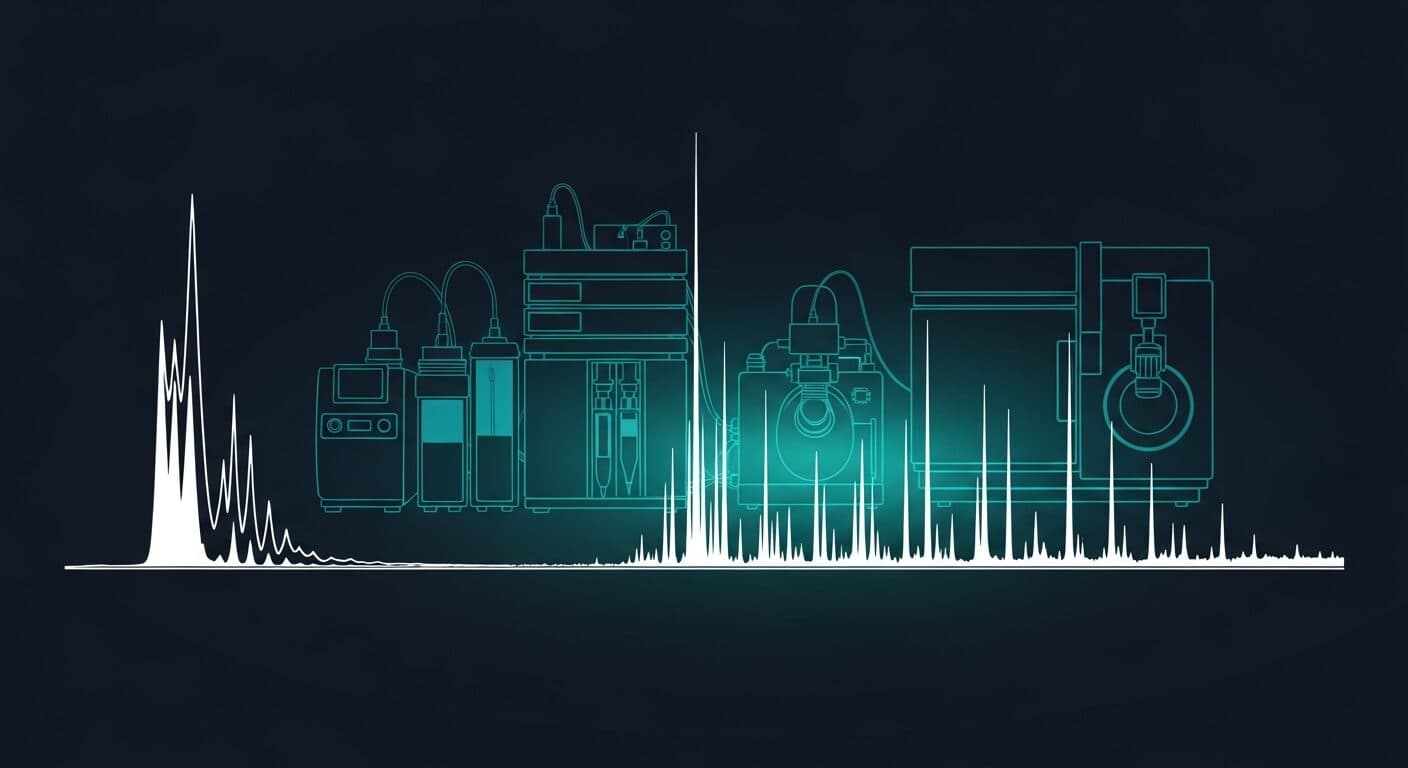
A research-lab comparison of RP-HPLC, LC-MS, and MALDI-TOF for peptide purity and identity testing — when to use each, how to read the data, and what the numbers mean.

Techninė MOTS-c apžvalga — 16 aminorūgščių liekanų mitochondrijų kilmės peptido, tiriamo metabolizmo, senėjimo ir fizinio krūvio fiziologijos tyrimų modeliuose.

A technical deep dive into peptide freeze-drying: cycle stages, excipients, cryoprotectants, cake structure, residual moisture, and stability science for research labs.

A research monograph on sermorelin, the GHRH(1-29) analog: structural biology, pituitary GH-release mechanism, preclinical pharmacology, and anti-doping detection context.

A detailed research guide on Thymosin Alpha-1 (TA1): structure, T-cell modulation, antiviral research, and preclinical immunology across hepatitis, cancer, and sepsis models.

Techninė KPV (Lys-Pro-Val) — α-MSH C-galinio tripeptido, tiriamo koliito, kvėpavimo takų uždegimo, žaizdų gijimo ir tikslinių nanodalelių tyrimuose — apžvalga.

Tesamorelin yra augimo hormoną atpalaiduojančio hormono (GHRH) analogas, ištirtas išsamiau nei dauguma tyrimų peptidų; jo paskelbta literatūra apima [...]

The distinction between GHK and GHK-Cu is not a marketing technicality — it is a structural and functional difference that [...]

If there is one area where the GHK-Cu literature has genuine depth, it is wound healing. From Pickart’s early rodent [...]

Hair follicle research occupies a peculiar position in peptide science. It demands molecular precision — the follicle is a structurally [...]

Insulinui panašus augimo veiksnys 1 Long R3, plačiai žinomas kaip IGF-1 LR3, yra vienas labiausiai tirtų peptidų analogų [...]

Introduction: why peptides interest longevity researchers Aging is not a single process but a convergence of molecular deterioration — telomere [...]

All products discussed in this article are sold strictly for in-vitro research and laboratory use. Nothing in this guide constitutes [...]

We sent three products to Janoshik Analytical for independent testing. Two came back above 99.7% purity. One did not. Here are the real numbers — and how to verify them yourself.

The research peptide market is unregulated. Anyone can put up a website, list compounds, and ship vials. Some suppliers run [...]

Tik tyrimų tikslais. Nevartoti žmonėms. Šiame straipsnyje aptariama ilgalaikio agonisto poveikio receptorių farmakologija — kaip [...]
Finding peptide half-life data usually means digging through a dozen Reddit threads and hoping someone cited an actual study. This [...]

Most of the peptide industry gets this wrong. Vendors list “Thymosin Beta-4 (TB-500)” as if they’re the same thing. Forums [...]

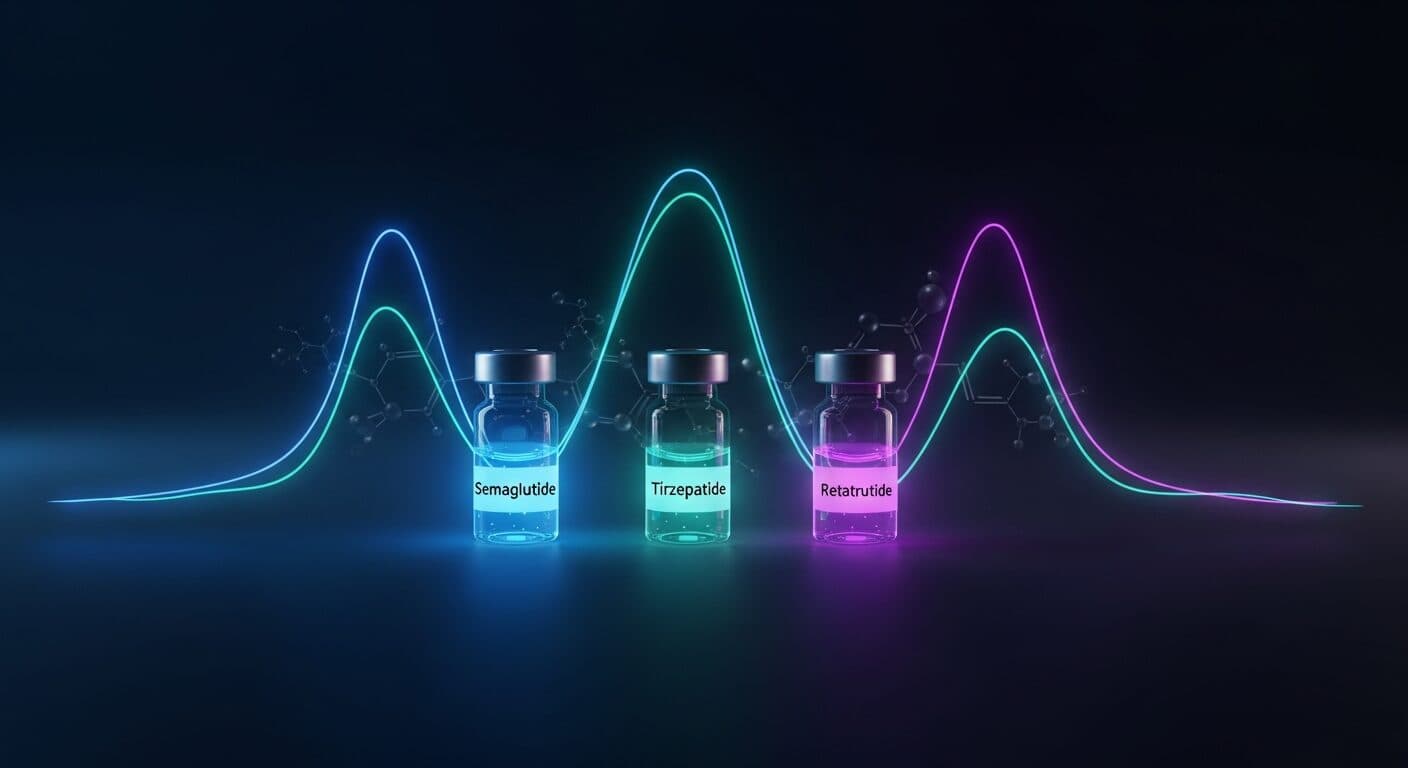
Įvadas: kodėl farmakokinetika svarbesnė nei vien mechanizmas Vertinant GLP-1 klasės peptidus tyrimams, daugiausia dėmesio skiriama jų [...]

HHS Secretary RFK Jr. restored 14 research peptides to legal compounding access in February 2026. Understand the regulatory shift and its impact on European peptide research.

GHK-Cu search interest grew +1,016% YoY in 2026, making it the fastest-growing research peptide. Explore the science, mechanisms, and research driving the copper peptide boom.

Introduction The skin is the body’s largest organ — and among the most studied targets in peptide research. Over the [...]

ką paskelbti moksliniai tyrimai atskleidžia apie MK-677: jo veikimo mechanizmą, išvadas iš daugelio klinikinių ir ikiklinikinių tyrimų, saugumo profilį [...]

, acting as what researchers describe as an “organ-specific” signaling agent. This article provides an educational overview of the , [...]

Introduction Nicotinamide adenine dinucleotide — more commonly known as NAD+ — has emerged as one of the most studied molecules [...]

Every peptide researcher has been there. You open a fresh vial, mix your solvent, and an hour later you’re staring [...]

Selektyvieji androgenų receptorių moduliatoriai (SARM) yra viena aktyviausiai tiriamų junginių klasių šiuolaikinėje farmakologijoje. Pirmą kartą [...]

Whether you are new to peptide research or an experienced scientist, having a clear understanding of key terminology is essential [...]

A comprehensive research guide to immune-modulating peptides including Thymosin Alpha-1, Thymalin, LL-37, KPV, and VIP. Covers thymic peptides, antimicrobial peptides, anti-inflammatory mechanisms, and comparison data. For research purposes only.

Quick answer: A trustworthy EU research-peptide supplier is defined by three things you can check before you ever place an [...]

This article is a decision framework for laboratory researchers choosing between three purchasing options in the BPC-157 / TB-500 family: [...]

Why proper peptide storage matters Research Peptides are sensitive biological molecules vulnerable to degradation through multiple pathways: thermal denaturation, photo-oxidation, [...]

Greitas atsakymas: Ipamorelin yra sintetinis pentapeptidas (Aib-His-D-2-Nal-D-Phe-Lys-NH2) ir pirmasis tikrai selektyvus augimo hormoną atpalaiduojantis peptidas (GHRP). Jis aktyvina [...]

What is CJC-1295 DAC? CJC-1295 DAC (Drug Affinity Complex) is a synthetic growth hormone-releasing hormone (GHRH) analog that has become [...]

Tyrimų peptidų tiekėjo pasirinkimas nėra tiesiog pirkimo sprendimas. Tai sprendimas, kuris tiesiogiai veikia validumą [...]

For research purposes only. Not for human consumption or therapeutic use. Neither Selank nor Semax is approved by the FDA [...]

Peptide bioavailability: comparing research administration routes Bioavailability: the fraction of an administered compound that reaches systemic circulation in unchanged form [...]

How to reconstitute peptides correctly is the first quality-control checkpoint in any preclinical peptide workflow. The arithmetic is simple, but [...]

An in-depth research overview of GHK-Cu (glycyl-L-histidyl-L-lysine copper complex), covering its unique tripeptide-copper structure, discovery history, research areas including skin remodeling and wound healing, and mechanisms of action.

Išsamus mokslinis TB-500 (Thymosin Beta-4 fragmento) ir BPC-157 palyginimas, nagrinėjantis jų molekulines struktūras, mokslinio tyrimo taikymo sritis, mechanizmus ir tai, kaip tyrėjai imasi tirti šiuos du plačiai tiriamus peptidus.

Išsami BPC-157 (Body Protection Compound-157) tyrimų apžvalga, apimanti jo peptidinę struktūrą, pagrindines tyrimų sritis, tvarkymo protokolus ir tai, ką dabartinė mokslinė literatūra teigia apie šį iš 15 aminorūgščių sudarytą pentadekapeptidą.
Susiję produktai
Suteikite 15% nuolaidą, uždirbkite 10% grąžinimą už kiekvieną jo užsakymą.