
BPC-157: The Complete Research Guide
Everything researchers need to know about Body Protection Compound-157 — from molecular structure and mechanism of action to storage protocols and the 100+ published studies behind it.
Free shipping over €150 | Certificate of Analysis included | 📞 +40 750 437 038 | 💬 Live Chat
Protocols, guides, and peptide profiles to support your research. All content is reviewed by our scientific team.
20 articles
Everything researchers need to know about Body Protection Compound-157 — from molecular structure and mechanism of action to storage protocols and the 100+ published studies behind it.
The definitive reconstitution protocol — from equipment prep to final storage, with the critical technique mistakes that damage peptides and how to avoid them.
Complete guide to CJC-1295 with Drug Affinity Complex — how albumin binding extends its half-life to 6-8 days, synergy with Ipamorelin, and published growth hormone research.
What makes Ipamorelin uniquely selective among GH secretagogues — its clean GH release profile without cortisol or prolactin elevation, dose-response data, and research applications.
Detailed comparison of the three most popular tissue repair research peptides — individual mechanisms, when to use each one, and why the blend combines complementary pathways.
Everything you need to know about storing research peptides — temperature charts by compound, light protection, humidity control, freeze-thaw protocols, and per-peptide recommendations.
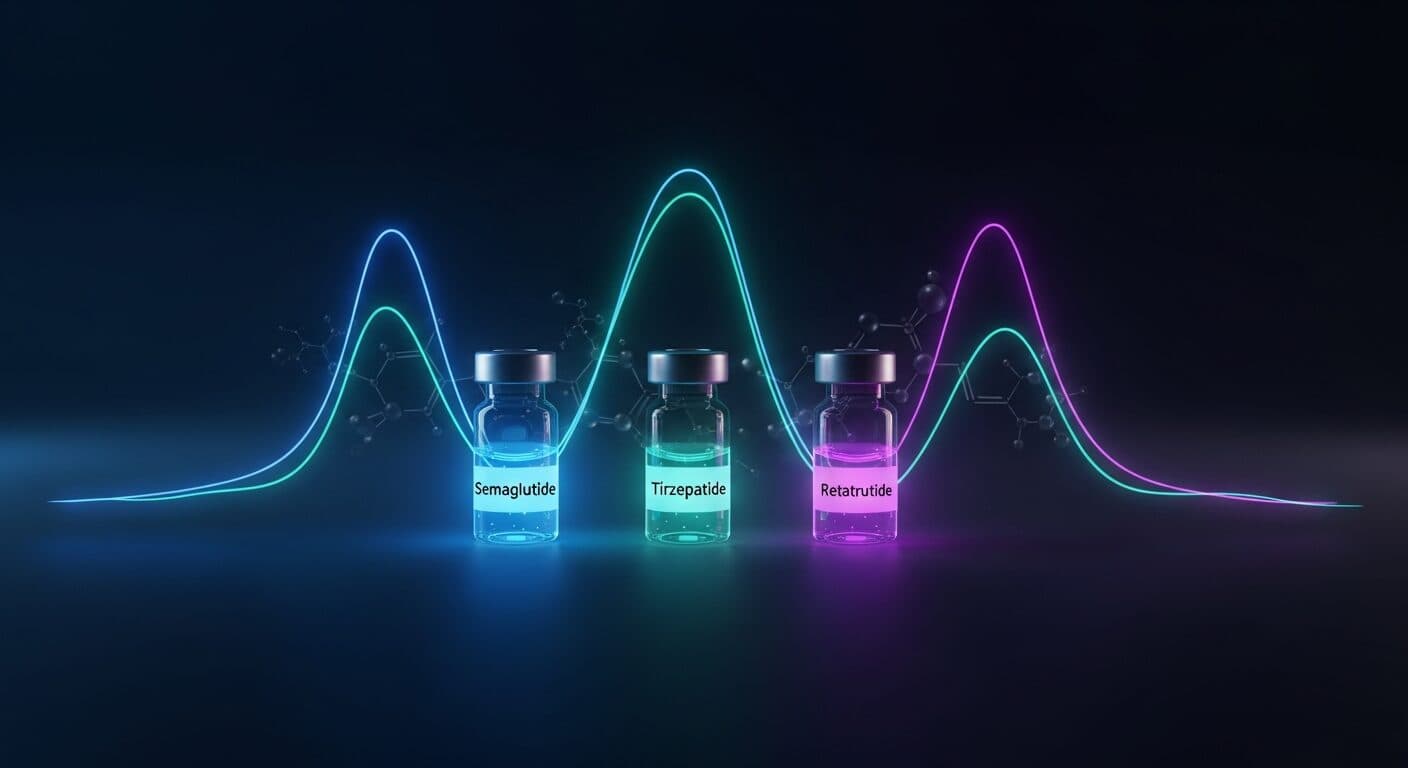
How tirzepatide's dual-agonist mechanism differs from single-pathway peptides, what the SURPASS trial data shows, and why dual-receptor targeting matters.
How to calculate exact peptide concentrations after reconstitution — the formulas, common reconstitution volumes, and how to convert between mg/mL and mcg per insulin unit.
An overview of Epitalon (Epithalon) — the synthetic tetrapeptide studied for telomerase activation, pineal gland function, and its place in longevity research.
How GHK-Cu influences gene expression at nanomolar concentrations, why its levels decline with age, and what published research reveals about tissue remodeling, inflammation, and stem cell attraction.
The science behind combining multiple peptides in research — complementary mechanisms, protocol design considerations, and published data on BPC-157 + TB-500 + GHK-Cu combinations.
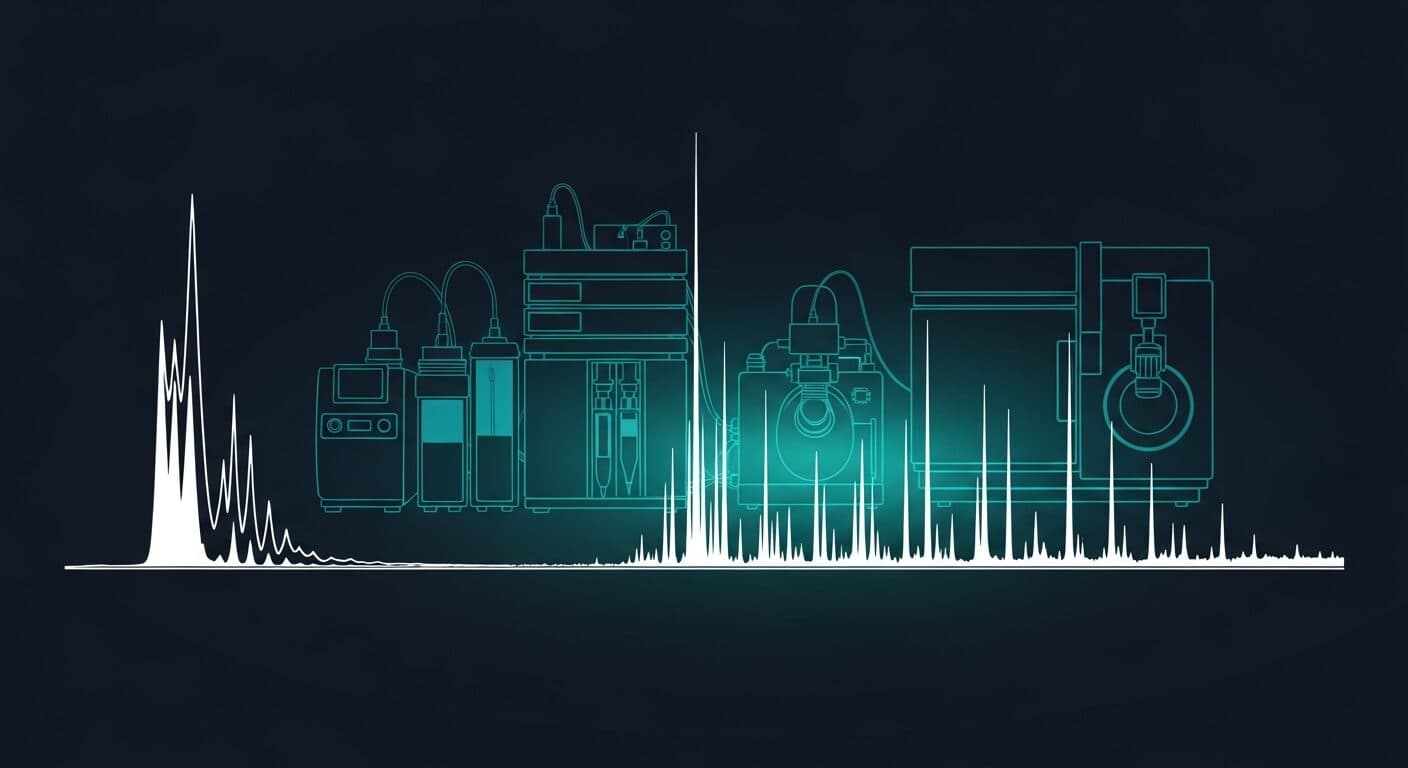
The gold-standard analytical methods behind peptide quality verification — how HPLC chromatography and mass spectrometry work, what the results mean, and why they matter for reproducible research.
Why the same peptide can produce dramatically different results depending on how it's administered — comparing subcutaneous, intraperitoneal, oral, and intranasal routes with published data.
The chemical and physical degradation pathways that threaten peptide integrity — oxidation, deamidation, aggregation, and adsorption — plus evidence-based strategies to prevent each one.
Head-to-head comparison of Selank and Semax — two Russian-developed peptides studied for cognitive enhancement, neuroprotection, and anxiolytic effects through distinct mechanisms.

Understanding the first GIP/GLP-1/glucagon triple-agonist, why adding glucagon receptor activation matters, and what early phase 2 data reveals.
The definitive guide to interpreting peptide COAs — what each section means, how to verify purity and identity claims, and the red flags that signal unreliable peptides.
Current EU regulatory framework for purchasing, importing, and using research peptides — classification, labeling requirements, shipping rules, and what researchers need to know.
A practical checklist for evaluating research peptide suppliers — from COA verification and testing methods to shipping practices and pricing red flags.
Related Products
Use our interactive reconstitution calculator for precise peptide preparation.