Research-grade compound. Laboratory use only. Not intended for human or animal use, ingestion, or injection. No medical claims are made or implied.
≥98% Purity
SARMsSKU: CP-Y1
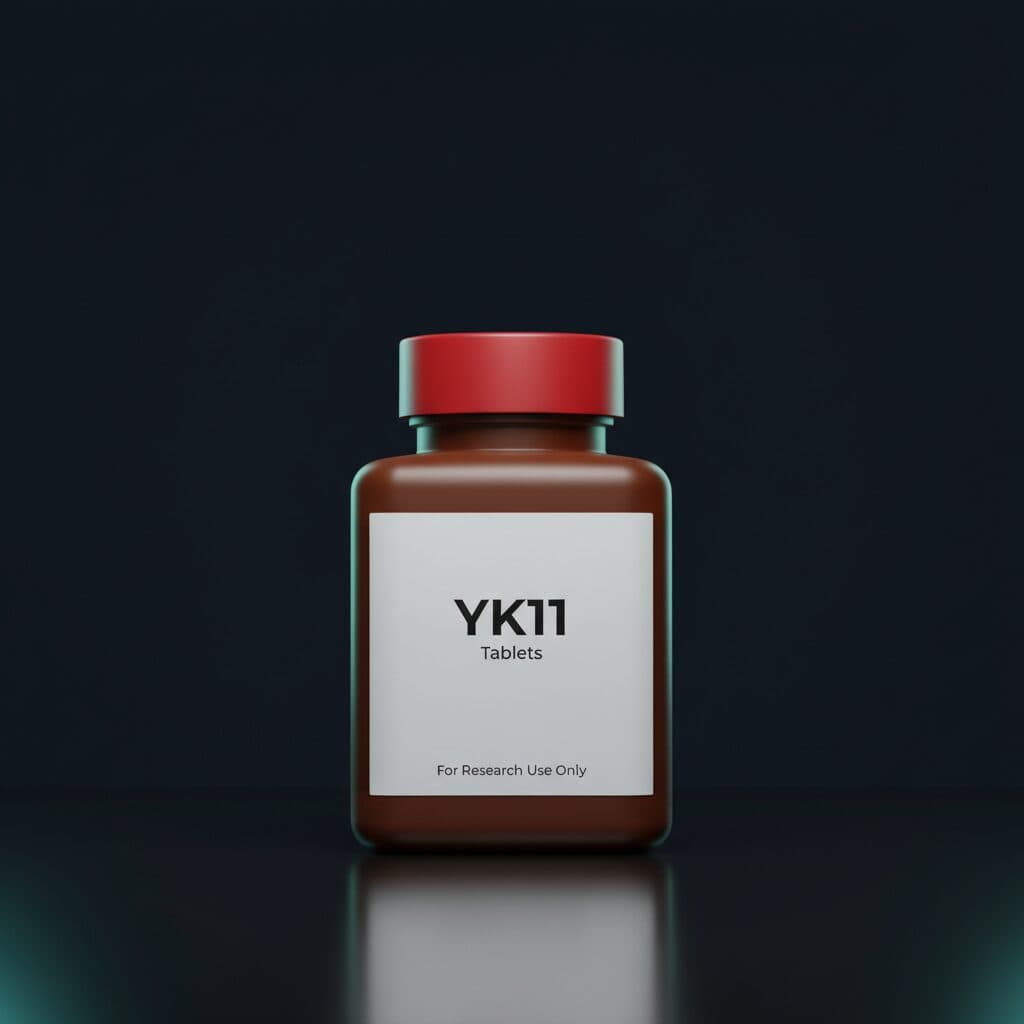
YK11 10mg
≥98% PuritySupplier batch spec; selected lots Janoshik-tested
€232.99In Stock
Only 1 left in stock — order soon
Delivers to EU in 11-14 business days
Free shipping over €200 · no customs paperwork (EU) · via EU carrier network
Research-grade YK11. ≥98% supplier batch specification; selected lots independently tested (99.3% avg across published reports). Oral capsules in sealed bottle. For laboratory research use only. Not for human consumption.
Volume PricingApplied automatically at checkout
| Quantity | Price Each | Total | Savings |
|---|---|---|---|
| 1 unit | €232.99 | €232.99 | -- |
| 3+ | €221.34 | €664.02 | 5% off |
| 5+Most Popular | €209.69 | €1,048.46 | 10% off |
| 10+ | €198.04 | €1,980.42 | 15% off |
1
Total: €232.99
Free shipping on orders over €200
Important Notice
This product is intended for laboratory and research use only. Not for human or veterinary use. By purchasing, you confirm this product will be used exclusively for in-vitro research purposes.
When This Product May Not Suit Your Research
- ⚠If your research requires GMP-grade material for clinical applications — research-grade peptides are not intended for clinical use.
- ⚠If your lab lacks proper cold storage (-20°C freezer) — this peptide's stability may be compromised at higher temperatures.
- ⚠If your study protocol requires FDA-approved reference standards — contact USP or a certified reference material provider.
Purity HPLC
99.3% average HPLC purity, verified by independent third-party testing
Third-Party Tested
Janoshik report published when available
Fast Shipping
24h dispatch, EU-wide shipping from €4.99
Third-Party Tested
Supplier batch specification on every product; independent Janoshik report on selected lots
Last reviewed: 2026-06-05
About YK11 10mg
YK11 occupies an ambiguous position in the SARM category. It was originally synthesized as a derivative of 19-nor-testosterone (the same steroid scaffold as nandrolone), and it does bind to the androgen receptor -- but it also appears to act as a myostatin inhibitor through a mechanism separate from AR binding. This dual activity is what makes YK11 pharmacologically interesting and also makes interpreting its research data more complicated than with conventional SARMs.
Myostatin is a naturally occurring negative regulator of myogenesis-pathway activity -- essentially a biological brake on skeletal muscle development. Inhibiting myostatin in animal models produces significant increases in muscle mass, which is why myostatin inhibition has been a target for muscle-pathway research. YK11 appears to reduce follistatin expression in ways that correlate with myostatin pathway modulation, though the precise mechanism remains under investigation. Some researchers characterize it as a partial agonist at AR that simultaneously reduces myostatin's inhibitory effect.
The available research is less extensive than for more established SARMs like Ostarine. Most published work is in vitro (cell culture), with fewer animal studies. This makes it harder to draw confident conclusions about in vivo effects, though the in vitro findings have been interesting enough to sustain ongoing research interest.
Research Applications
YK11 is used in research on muscle satellite cell biology, myostatin pathway pharmacology, and as a model for studying compounds with dual AR agonist and myostatin inhibitory activity. Its structural relationship to 19-nortestosterone also makes it relevant for comparing steroidal versus non-steroidal SARMs at the AR.
Specifications
| Parameter | Value |
|---|---|
| Molecular Formula | C25H34O6 |
| Molecular Weight | 430.53 g/mol |
| Purity | ≥98% (supplier batch spec; 99.3% avg across independently tested lots) |
| Format | Lyophilized powder |
| Storage | -20°C, protect from light |
| Reconstitution | DMSO or ethanol |
Storage
Store at -20°C in the original sealed vial. Stable for 24+ months under proper storage. Minimize light exposure during handling. Aliquot dissolved solutions to avoid freeze-thaw degradation.
What makes YK11 different from other SARMs?
Most SARMs are non-steroidal compounds that bind the androgen receptor selectively. YK11 is derived from a steroidal scaffold (19-nor-testosterone) and appears to have a dual mechanism -- AR binding plus myostatin pathway modulation. This makes it pharmacologically distinct from conventional SARMs. The myostatin inhibitory activity, if confirmed, would represent an additional pathway for influencing muscle biology beyond AR signaling alone.
What is myostatin and why does inhibiting it matter?
Myostatin is a protein that inhibits skeletal myogenesis-pathway activity -- it acts as a natural brake on muscle development. Animals with myostatin gene knockouts develop dramatically increased muscle mass. Inhibiting myostatin pharmacologically is a research target in muscle-pathway studies. YK11's apparent activity on the myostatin pathway is what distinguishes it from purely AR-targeted SARMs and makes it interesting for muscle biology research.
How much research exists on YK11?
Limited. Most published YK11 research is in vitro (cell culture), with few animal studies. This makes it less well-characterized than compounds like Ostarine that have a larger body of published research. The in vitro findings have been scientifically interesting, but translating them to in vivo predictions requires caution without more robust preclinical animal data.
YK11 is supplied for laboratory research use only. Not approved for human use. Handle in compliance with institutional biosafety guidelines.
Specification Summary
Purity99.3% avg
FormLyophilized Powder
Storage-20\u00B0C
Researcher Confidence
Why researchers choose CertaPeptides
Who actually tests this?
Selected lots are independently verified by Janoshik Analytical (Czech Republic) and published on the Janoshik public portal. Other lots ship with the supplier's batch specification. See /coa for the published wall.
View COAs →What if I get the wrong batch?
Every bottle label carries a lot number that maps to a specific Certificate of Analysis. If a batch fails spec, we don't ship it — full stop.
View COAs →Where does it ship from?
Romania (EU). We are CERTALAB SRL, CUI 54169956, VAT-registered. Sameday for Romania, TCE Worldwide for all cross-border EU and non-EU markets (UK, Switzerland, Norway, Iceland, Israel, Serbia). Delivery 1–14 business days depending on destination — exact window shown at checkout.
Shipping details →What if there's a problem?
You have a 14-day withdrawal right under OUG 34/2014 (Romanian/EU consumer law), with ANPC/ODR escalation available. Contact us at support@certapeptides.com.
Returns policy →Product Information
This product is intended for scientific research and development purposes only. It is a chemical substance that shall not be used as a drug, medicine, active substance, or ingredient in any product intended for human or animal consumption. Researchers must handle this compound in accordance with their institutional biosafety guidelines. Use only in properly equipped laboratory settings with appropriate personal protective equipment.
Frequently Asked
Research Library
Related Research Articles
Based on category & popularity
Researchers Also Studied
 SAME FIELD
SARMs
Enclomiphene
Research-grade Enclomiphene. ≥98% supplier batch specification; selected lots independently tested (99.3% avg across published reports). 100 capsules per bottle. For laboratory research use only. Not for human consumption.
From€143.99
 10mgSAME FIELD
SARMs
GW-501516/Cardarine 10mg
Research-grade GW-501516/Cardarine. ≥98% supplier batch specification; selected lots independently tested (99.3% avg across published reports). Oral capsules in sealed bottle. For laboratory research use only. Not for human consumption.
€143.99
 25mgSAME FIELD
SARMs
Andarine S4 25mg
Research-grade Andarine S4. ≥98% supplier batch specification; selected lots independently tested (99.3% avg across published reports). Oral capsules in sealed bottle. For laboratory research use only. Not for human consumption.
€133.49
 25mgSAME FIELD
SARMs
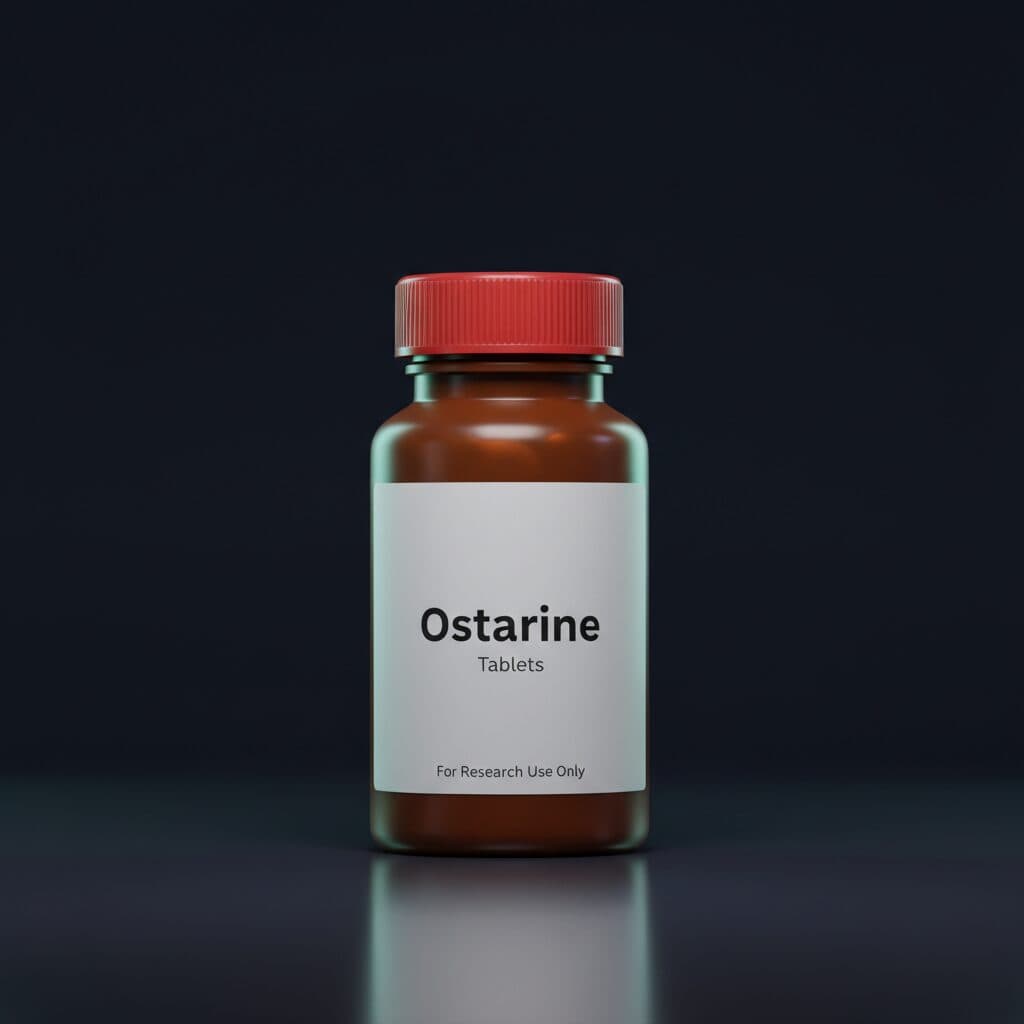
Ostarine/MK-2866 25mg
Research-grade Ostarine/MK-2866. ≥98% supplier batch specification; selected lots independently tested (99.3% avg across published reports). Oral capsules in sealed bottle. For laboratory research use only. Not for human consumption.
€143.99
Frequently researched together
Combined Price
€421.46
YK11 10mg€232.99
1