Research Peptides
Research compounds: class-level specifications where on record, selected lots independently tested
Filters & Sort
Category
Product Form
Sort By
GLP-1 and Incretin Research Peptides
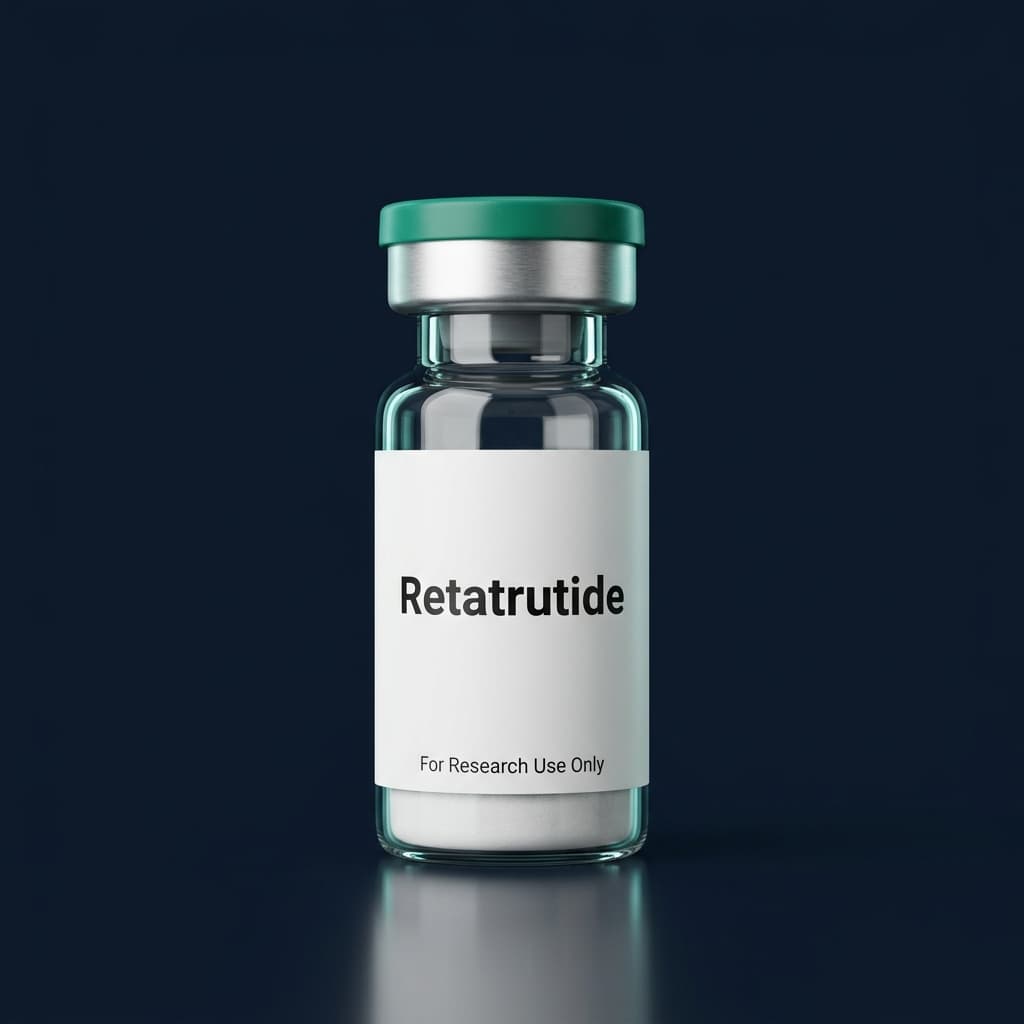
Retatrutide
Retatrutide is a novel triple-agonist peptide targeting GIP, GLP-1, and glucagon receptors simultaneously. This multi-receptor approach has generated significant research interest in metabolic studies. Triple hormone receptor agonism (GIP/GLP-1/Glucagon) Metabolic pathway modulation research Energy homeostasis and body composition studies For research purposes only.
COA ✓
COA ✓3+ save 5%EU shipping
In Stock
From€44.49
 5mg−32%
Tissue Healing and Regeneration Research Compounds
BPC-157
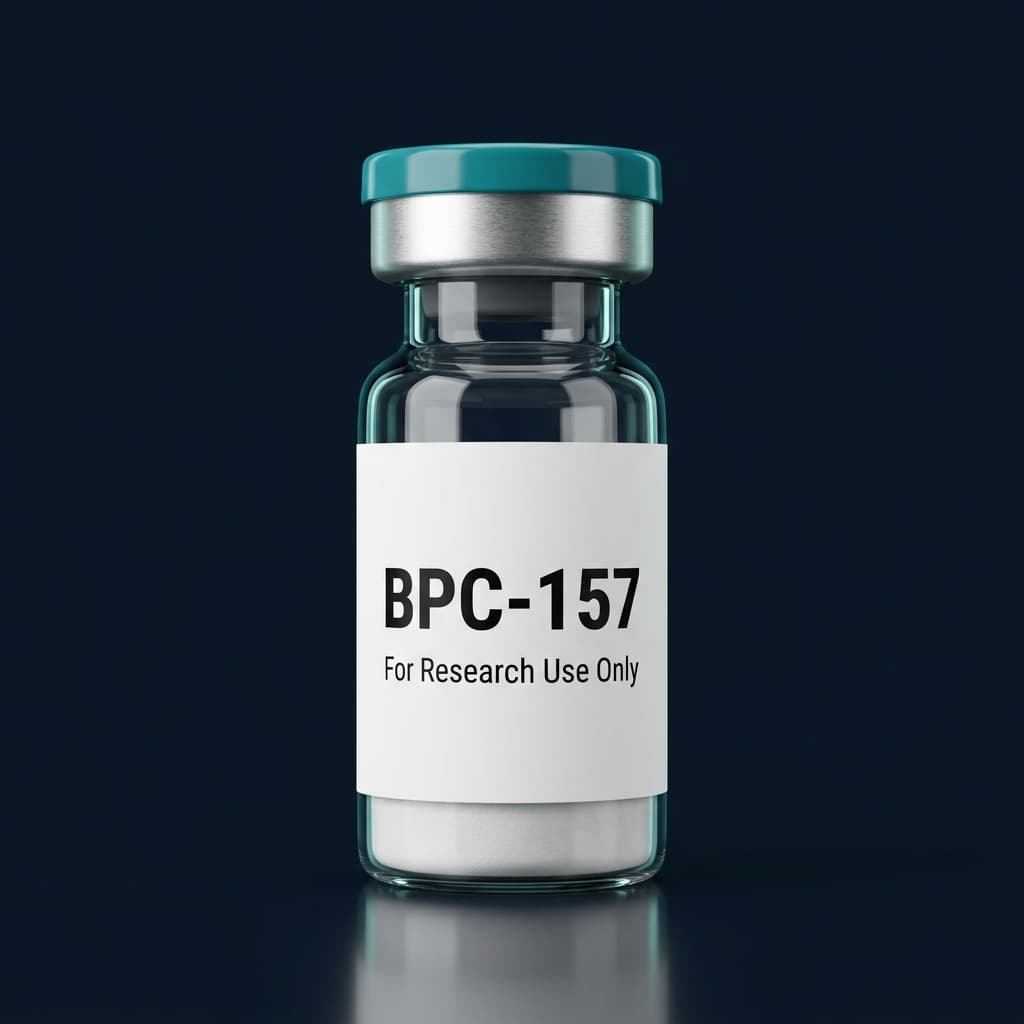
BPC-157 (Body Protection Compound 157) is a stable 15-amino-acid pentadecapeptide fragment derived from a gastric juice protein, supplied by CertaPeptides as a lyophilized laboratory research compound (class-level specification ≥98%; CAS 137525-51-0). In preclinical literature, Sikiric et al. (2014, PMID 23755725) reported effects on the nitric oxide system in rodent models, and Chang et al. (2014, PMID 25415472) observed increased growth hormone receptor expression in cultured tendon fibroblasts. These findings are reported here for research context only and are not medical claims. For laboratory research use only. Not for human consumption.
COA ✓
COA ✓3+ save 5%EU shipping
In Stock
From€19.99
5mg now €29.99, was €43.99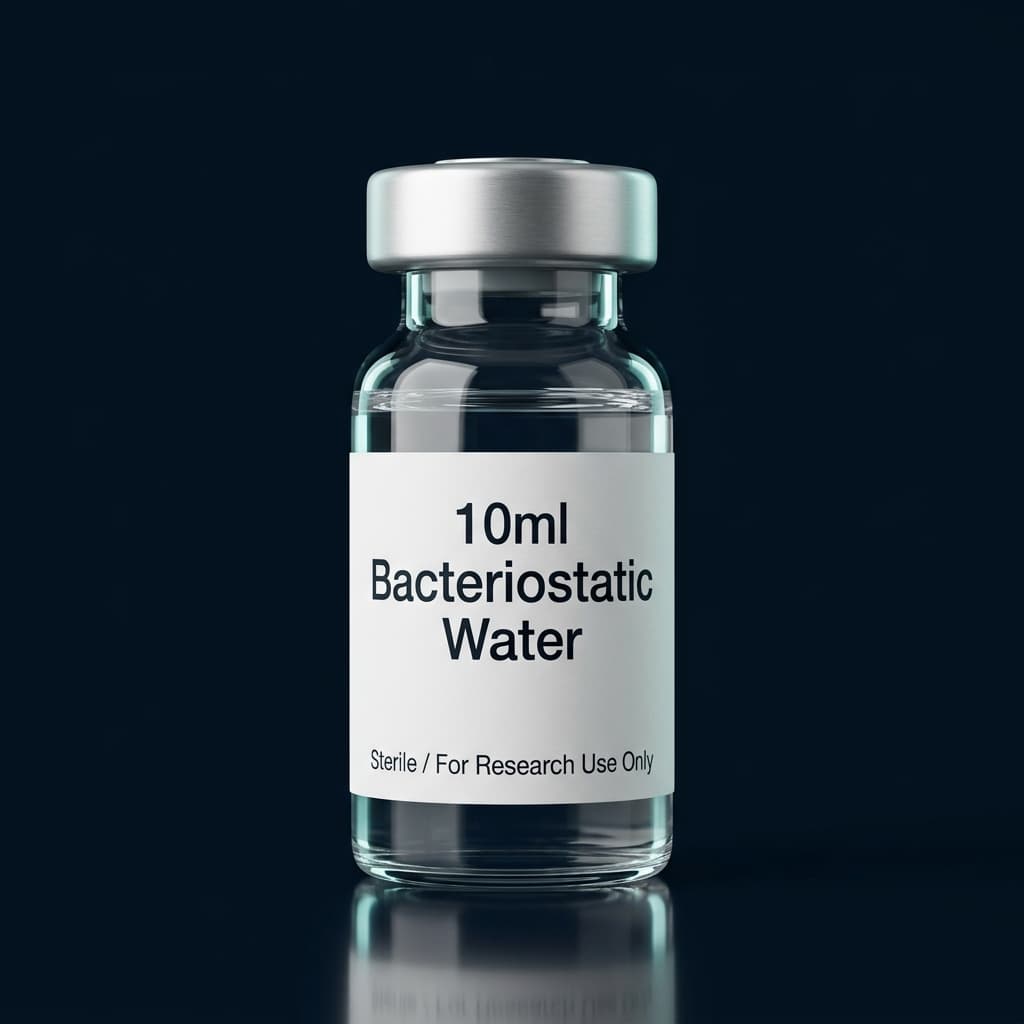
Laboratory Consumables and Reconstitution Supplies
Bacteriostatic Water
USP-grade bacteriostatic water (3ml, 5ml or 10ml vials) with 0.9% benzyl alcohol. Sterile, endotoxin-tested. For peptide reconstitution.
3+ save 5%EU shipping
In Stock
From€5.99
Copper and Mitochondrial Research Peptides
GHK-Cu
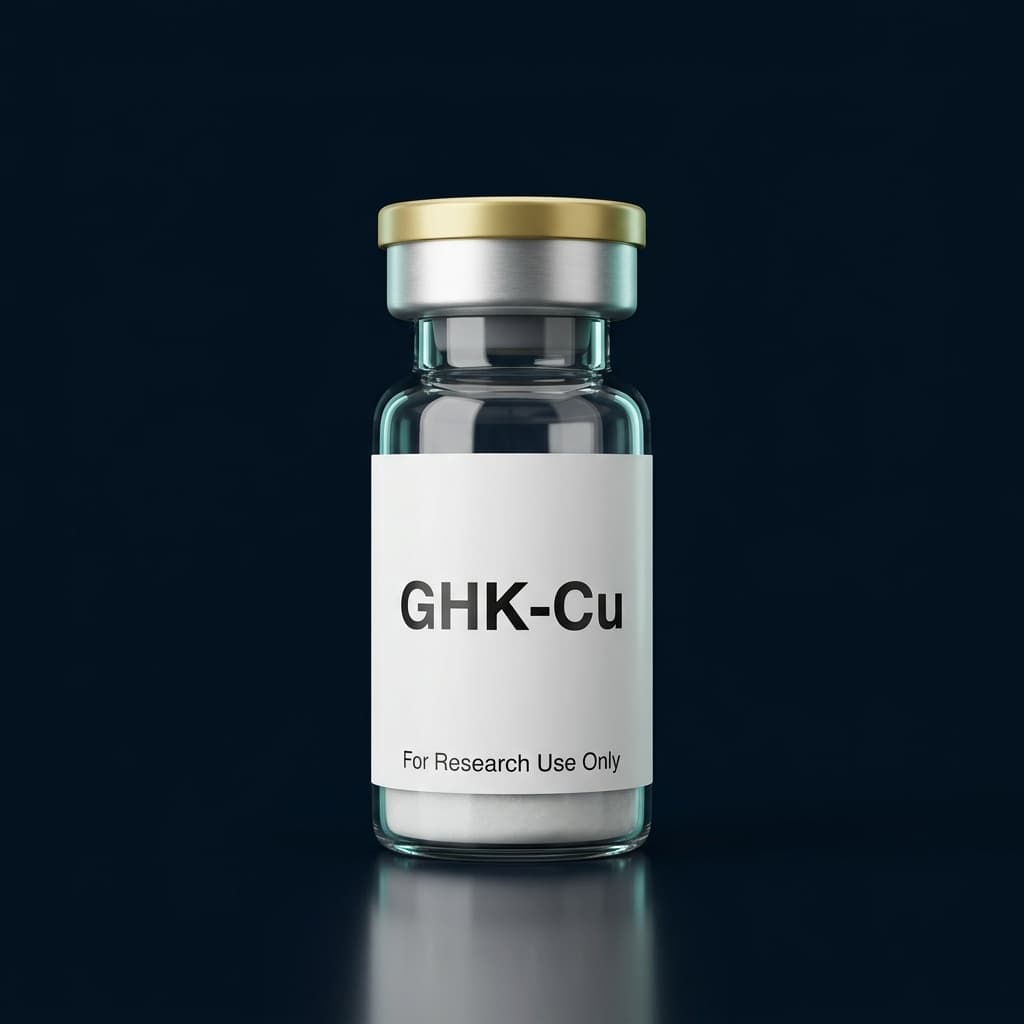
GHK-Cu is a naturally occurring copper-binding tripeptide (Glycyl-L-histidyl-L-lysine copper complex) studied extensively in tissue biology and cellular remodeling research. Concentration declines with age, making it a key compound in age-related biological studies. Class-level specification ≥98%; selected lots independently tested. Key research areas: Tissue remodeling and extracellular matrix pathways Collagen and decorin synthesis stimulation Gene expression modulation (over 4,000 genes identified) For research purposes only. Not for human consumption.
COA ✓
COA ✓3+ save 5%EU shipping
In Stock
From€39.99
Copper and Mitochondrial Research Peptides
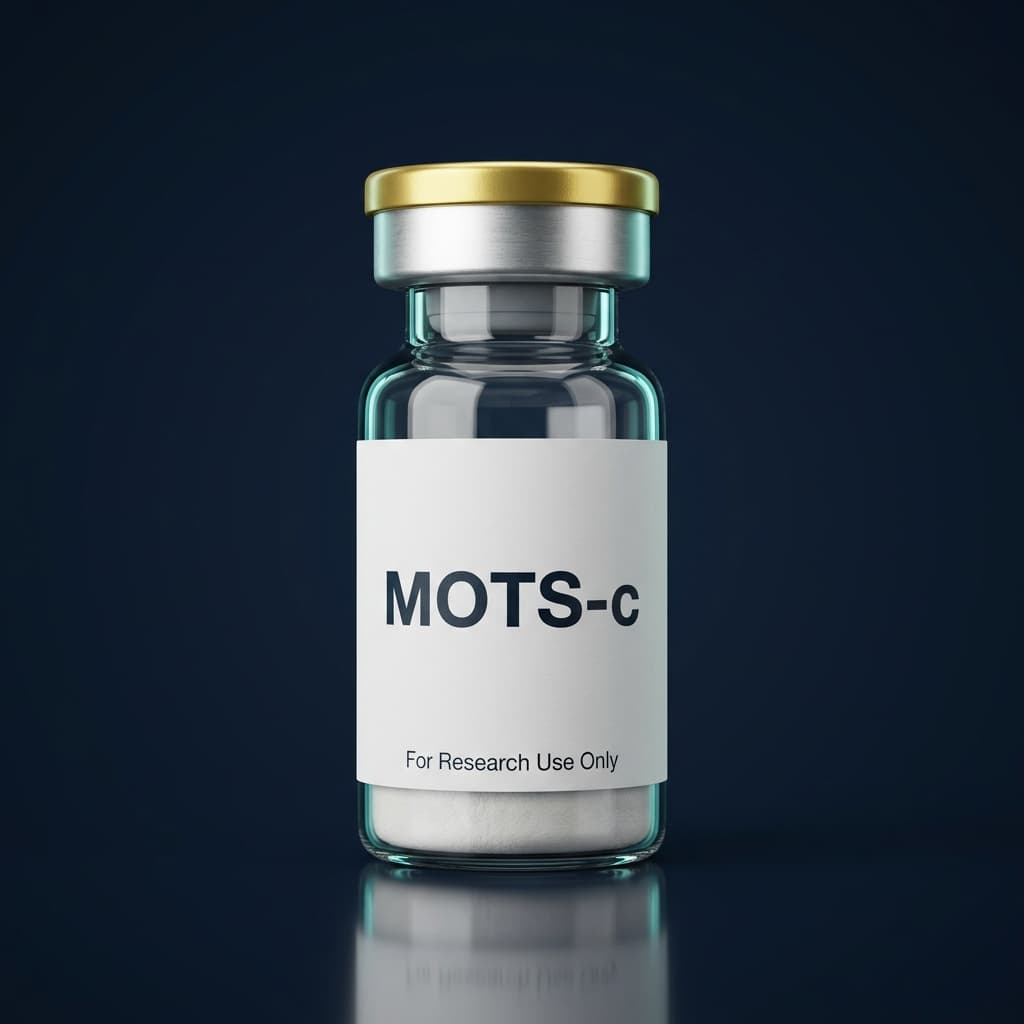
MOTS-c
Research-grade MOTS-c. Class-level specification ≥98%; selected lots independently tested. Lyophilized powder in sealed glass vial. For laboratory research use only. Not for human consumption.
COA ✓
COA ✓3+ save 5%EU shipping
In Stock
From€41.99
 20mg
20mgCyclic and Neuropeptide Research Compounds
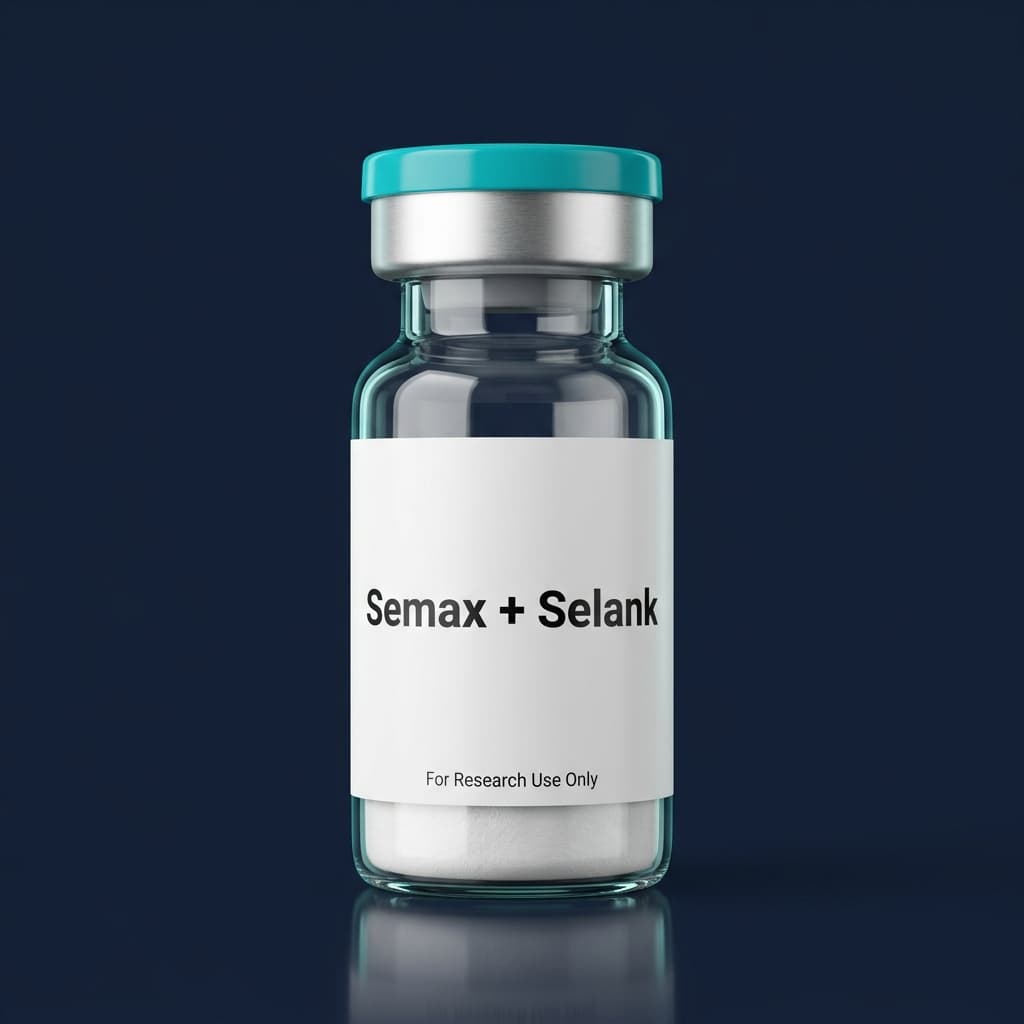
Semax + Selank Blend 20mg
Research-grade Semax + Selank Blend. A multi-peptide blend has no single purity figure; selected lots independently tested. Lyophilized powder in sealed glass vial. For laboratory research use only. Not for human consumption.
COA ✓
COA ✓3+ save 5%EU shipping
Buy 3+, save 5%In Stock
€49.99
Copper and Mitochondrial Research Peptides
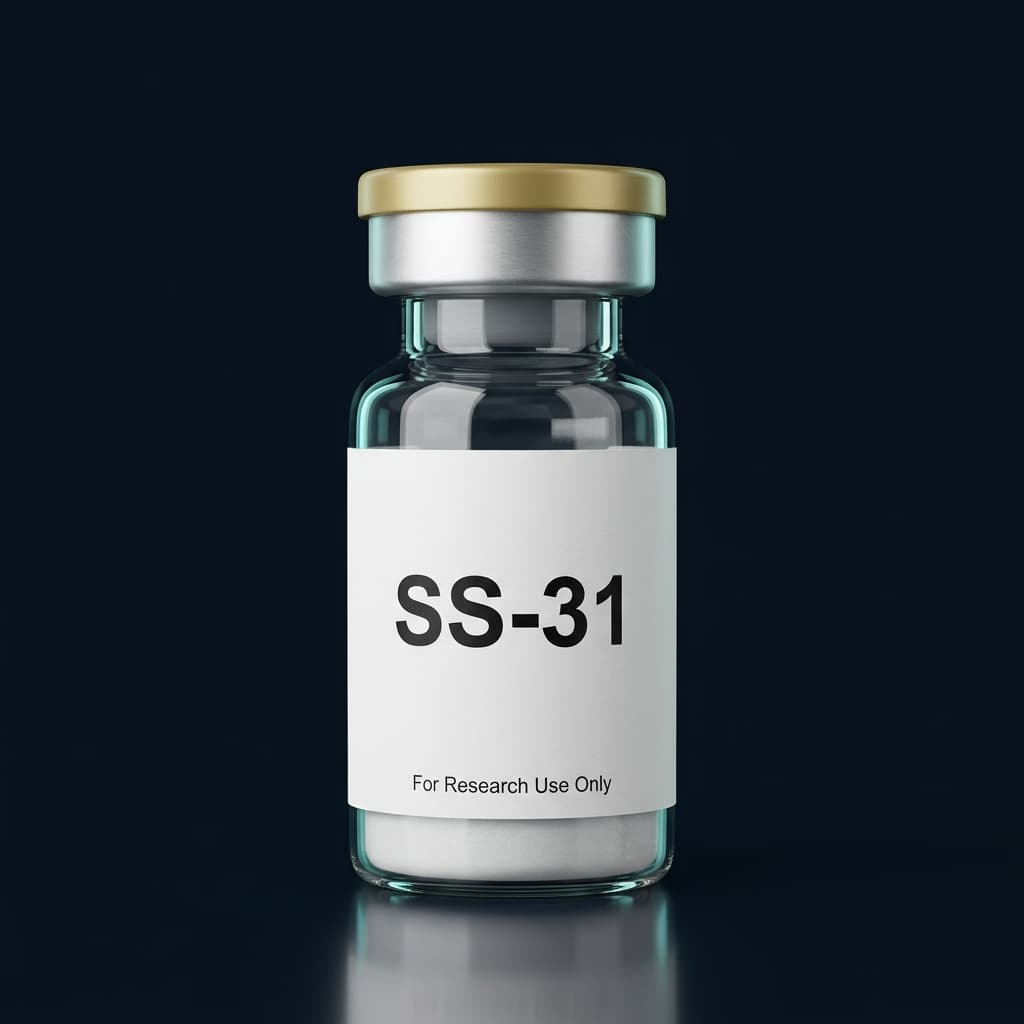
SS-31
Research-grade SS-31. Class-level specification ≥98%; selected lots independently tested. Lyophilized powder in sealed glass vial. For laboratory research use only. Not for human consumption.
COA ✓
COA ✓3+ save 5%EU shipping
In Stock
From€47.99
Copper and Mitochondrial Research Peptides
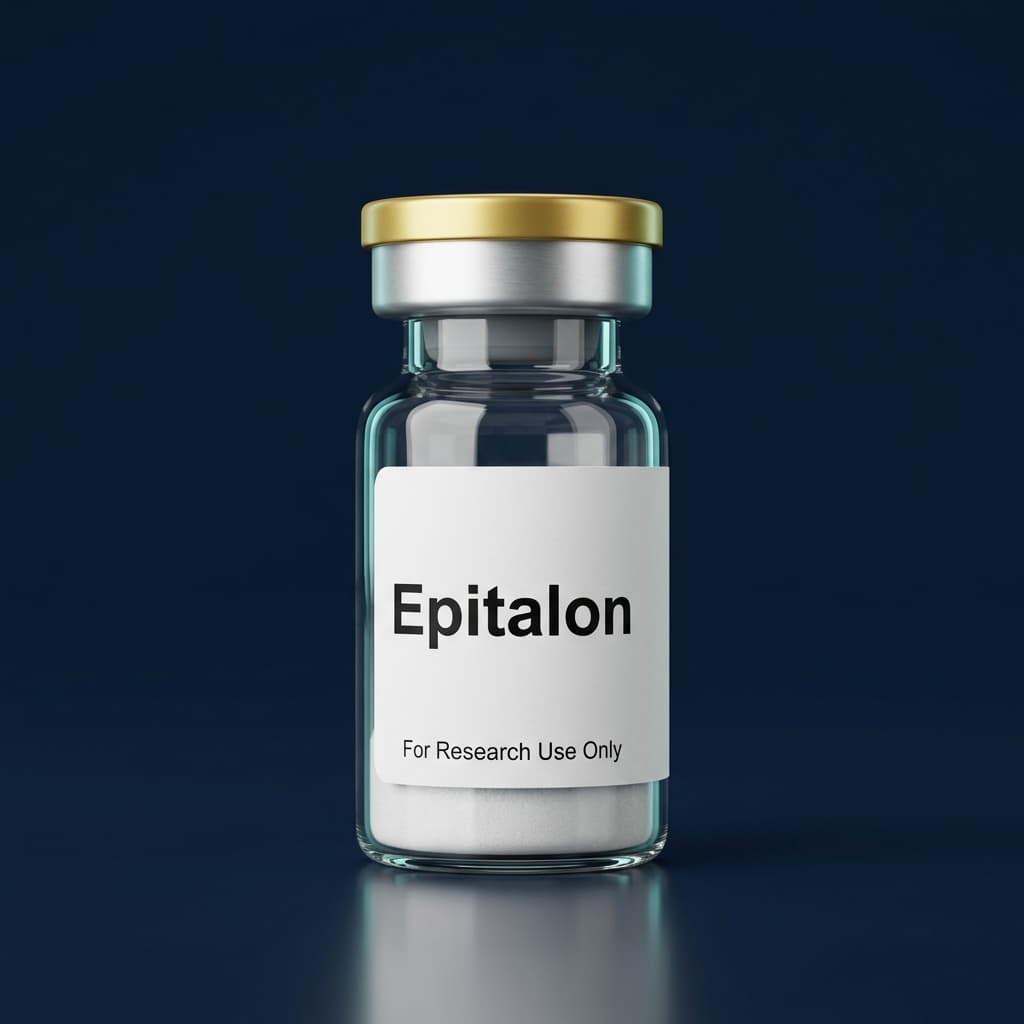
Epitalon
Epitalon is a 4-amino acid synthetic tetrapeptide (Ala-Glu-Asp-Gly) studied for telomerase activation and telomere biology research. Derived from pineal gland epithalamin. Class-level specification ≥98%; selected lots independently tested. Key research areas: Telomerase reactivation and telomere elongation in somatic cells Pineal gland neuroendocrine function and melatonin regulation Cellular aging and geroprotective mechanisms For research purposes only. Not for human consumption.
COA ✓
COA ✓3+ save 5%EU shipping
In Stock
From€45.99
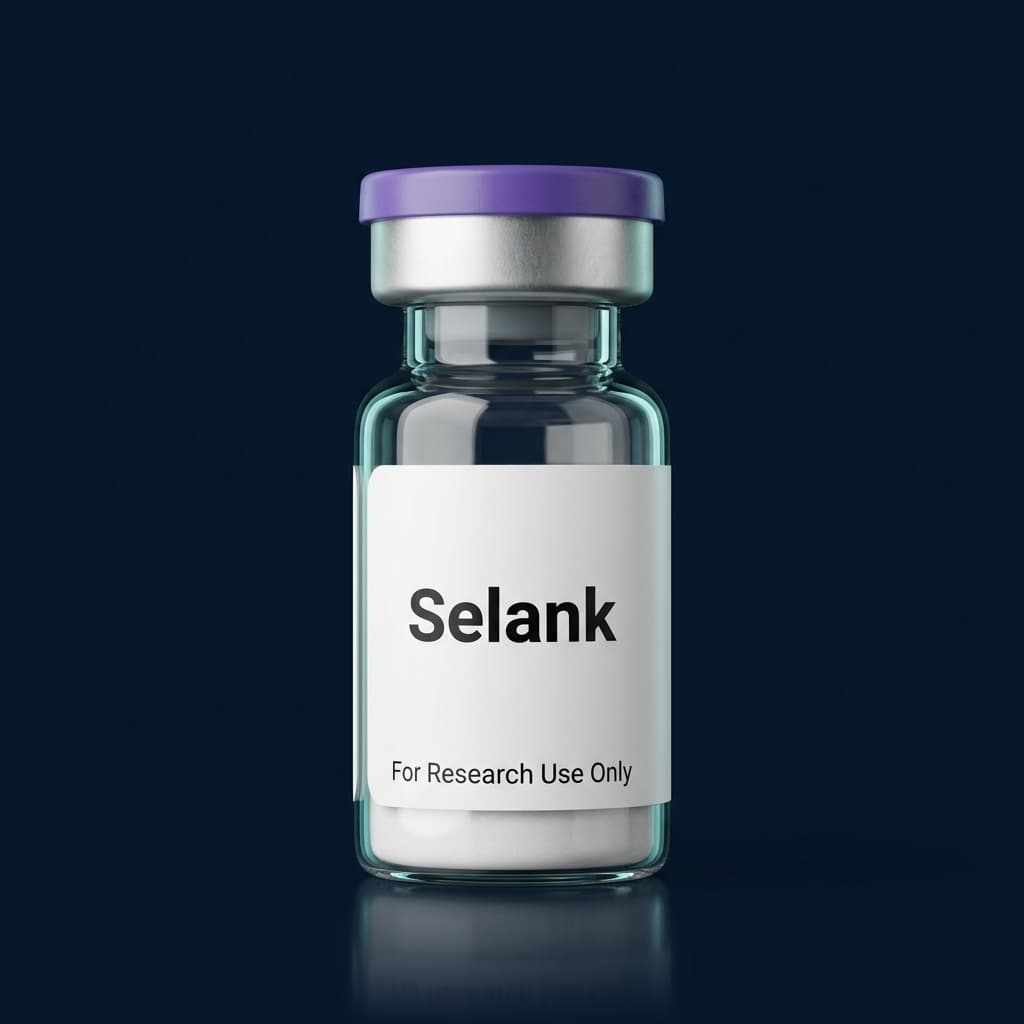
Cyclic and Neuropeptide Research Compounds
Selank
Selank is a synthetic heptapeptide derived from the endogenous immunomodulatory peptide tuftsin. It has been extensively studied for its anxiolytic-like properties and effects on neuropeptide expression in research models. Tuftsin-derived anxiolytic peptide analog Enkephalin metabolism and neuropeptide studies Immune modulation and CNS receptor binding markers research For research purposes only.
COA ✓
COA ✓3+ save 5%EU shipping
In Stock
From€29.99
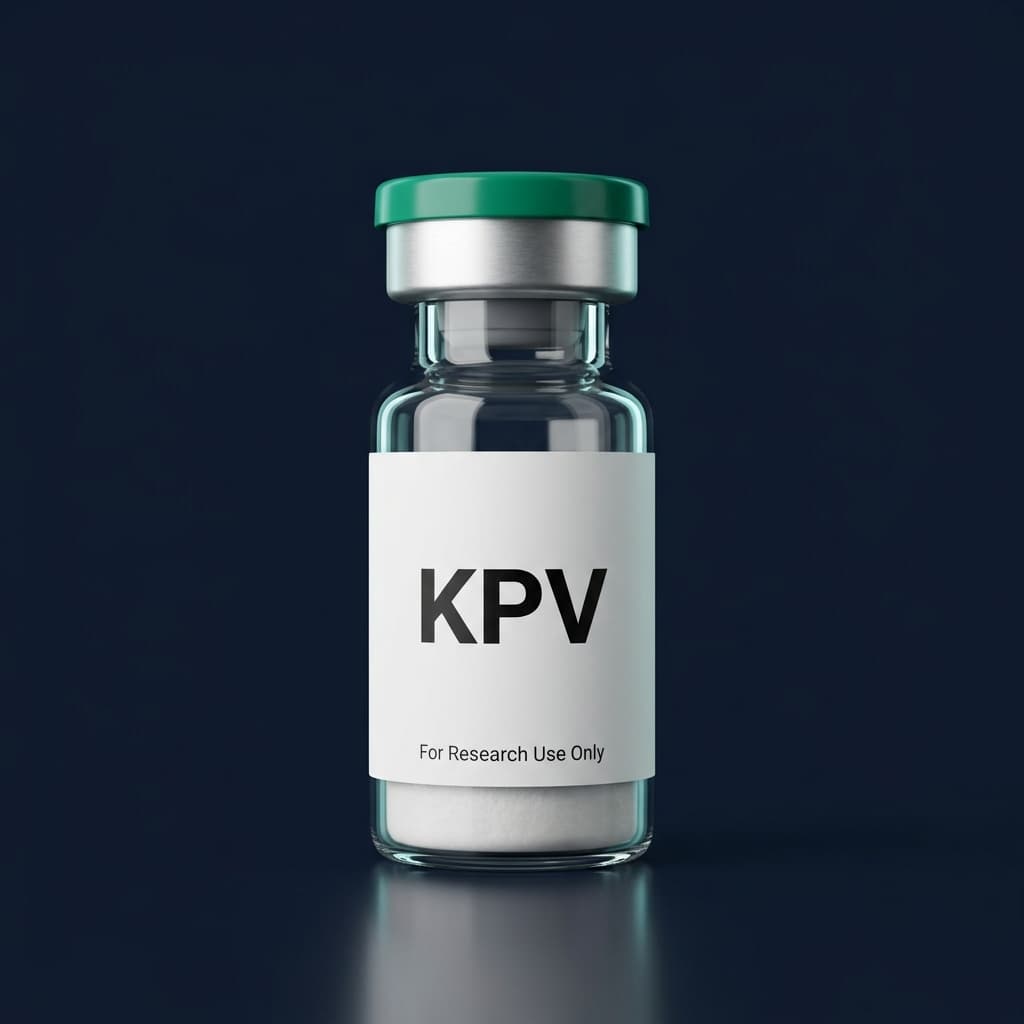
Tissue Healing and Regeneration Research Compounds
KPV
KPV is a naturally occurring tripeptide (Lys-Pro-Val) derived from the C-terminal end of alpha-melanocyte-stimulating hormone (alpha-MSH). It has been studied for its immunomodulatory signaling in gastrointestinal and immune biology research models. Alpha-MSH-derived immunomodulatory tripeptide Intestinal epithelial barrier and PepT1 transporter research NF-kB pathway modulation studies For research purposes only. Not for human consumption.
COA ✓
COA ✓3+ save 5%EU shipping
In Stock
From€31.49
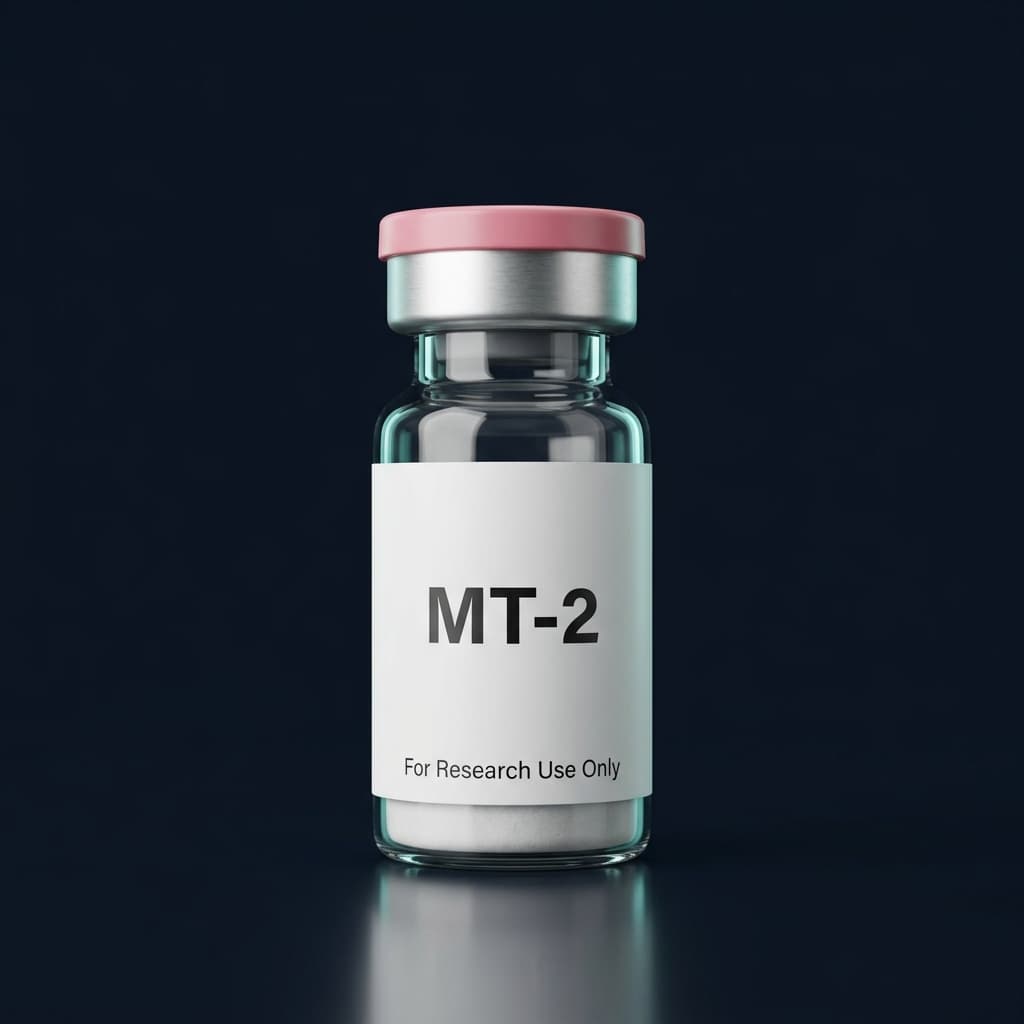
Melanocortin and Pigment Research Peptides
MT-2 (Melanotan 2 Acetate)
Melanotan II (MT-2) is a synthetic cyclic heptapeptide analog of alpha-MSH with potent melanocortin receptor agonist activity. Binds MC1R, MC3R, MC4R, MC5R. Studied in research models for melanogenesis and energy homeostasis. Supplied as lyophilized powder; class-level specification ≥98%; selected lots independently tested. For research purposes only. Not for human consumption.
COA ✓
COA ✓3+ save 5%EU shipping
In Stock
From€24.99
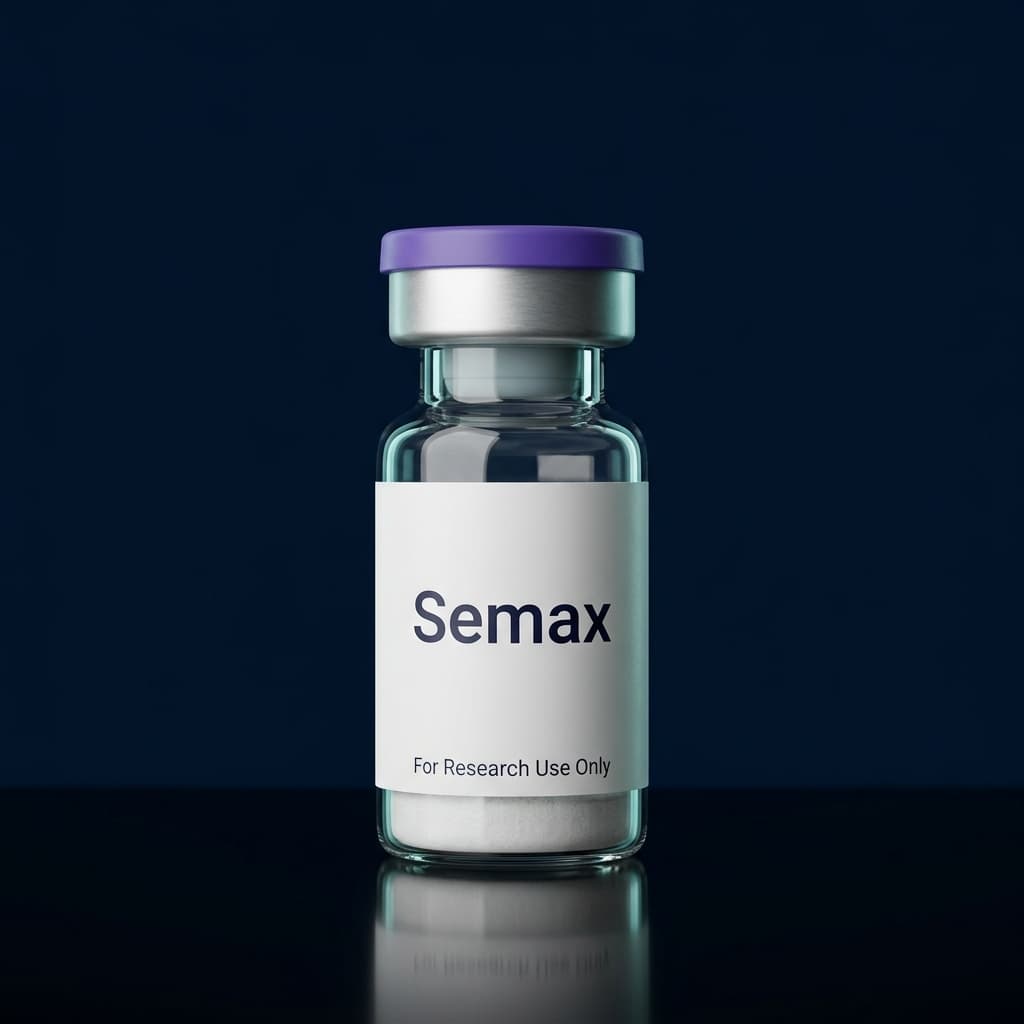
Cyclic and Neuropeptide Research Compounds
Semax
Semax is a synthetic heptapeptide analog of the adrenocorticotropic hormone fragment ACTH(4-7). It has been studied extensively for its neurotrophic and nootropic properties in various experimental models. ACTH(4-7) analog with enhanced metabolic stability Neurotrophic factor expression and BDNF pathway research CNS receptor binding markers and memory research models For research purposes only. Not for human consumption.
COA ✓
COA ✓3+ save 5%EU shipping
In Stock
From€29.99
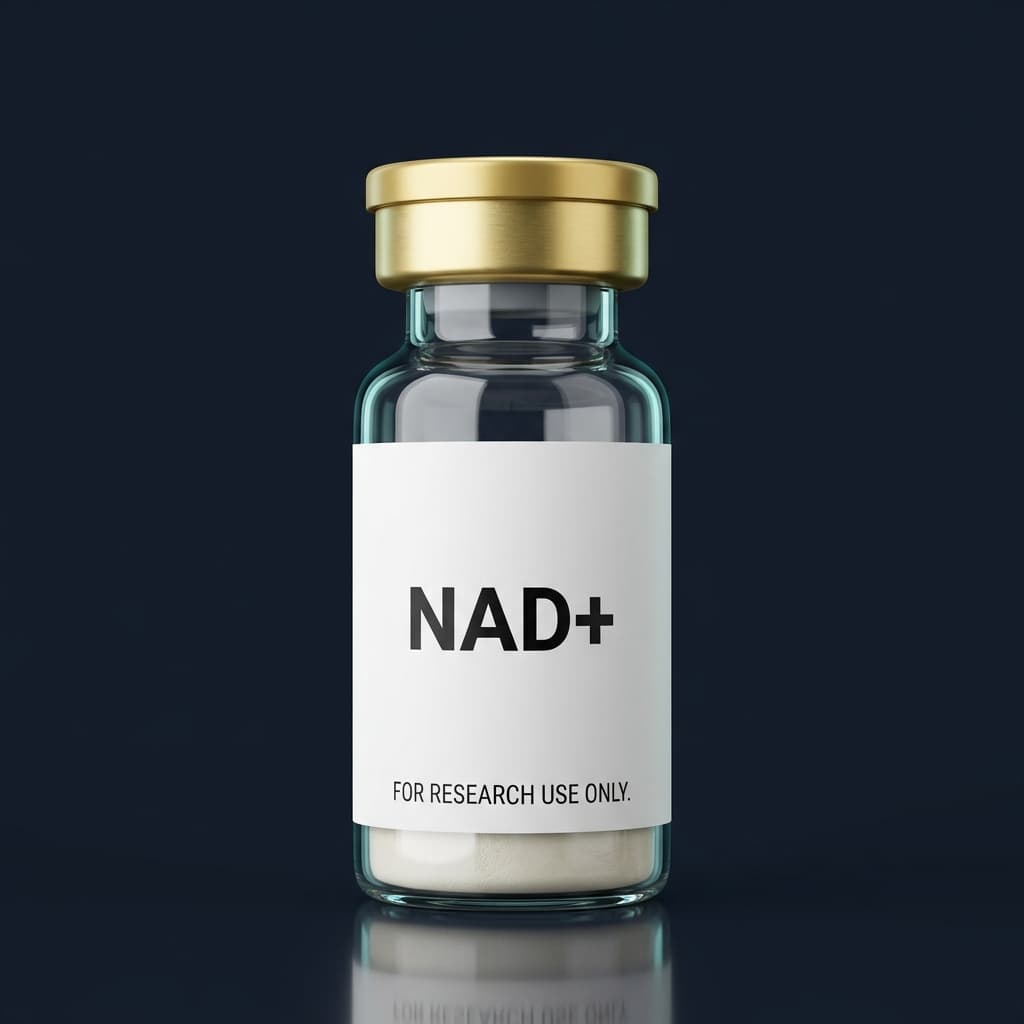
Copper and Mitochondrial Research Peptides
NAD+
Nicotinamide adenine dinucleotide (NAD+) is an essential coenzyme present in all living cells, serving as a critical electron carrier in oxidative phosphorylation, ATP production, DNA repair, and calcium-dependent signaling pathways. Supplied as lyophilized powder; class-level specification ≥98% nicotinamide adenine dinucleotide (β-form, by HPLC). For research purposes only. Not for human consumption.
COA ✓
COA ✓3+ save 5%EU shipping
In Stock
From€35.99
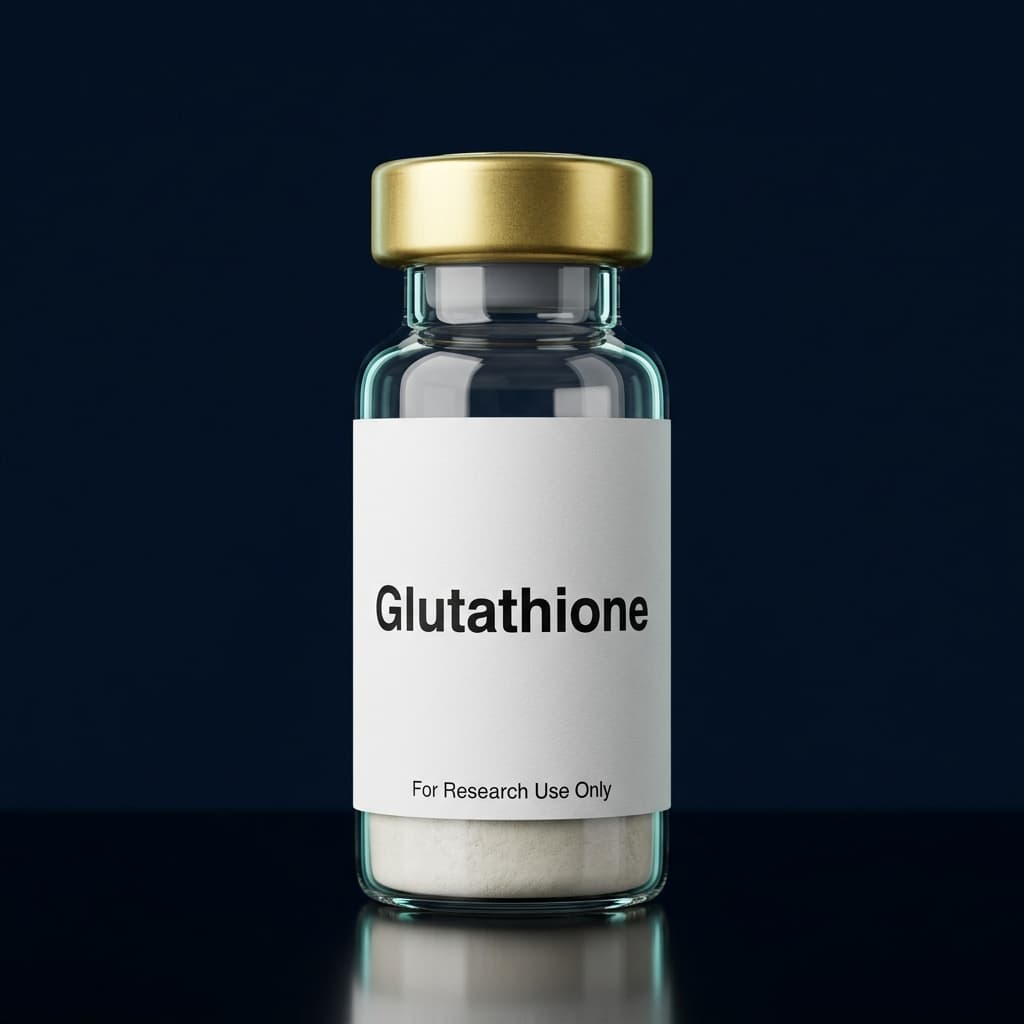 1500mg
Metabolic and Cellular-Aging Research Compounds
Glutathione 1500mg
Research-grade Glutathione. Class-level specification ≥98% reduced glutathione (GSH, by HPLC); selected lots independently tested. Lyophilized powder in sealed glass vial. For laboratory research use only. Not for human consumption.
COA ✓
COA ✓3+ save 5%EU shipping
Buy 3+, save 5%In Stock
€43.49
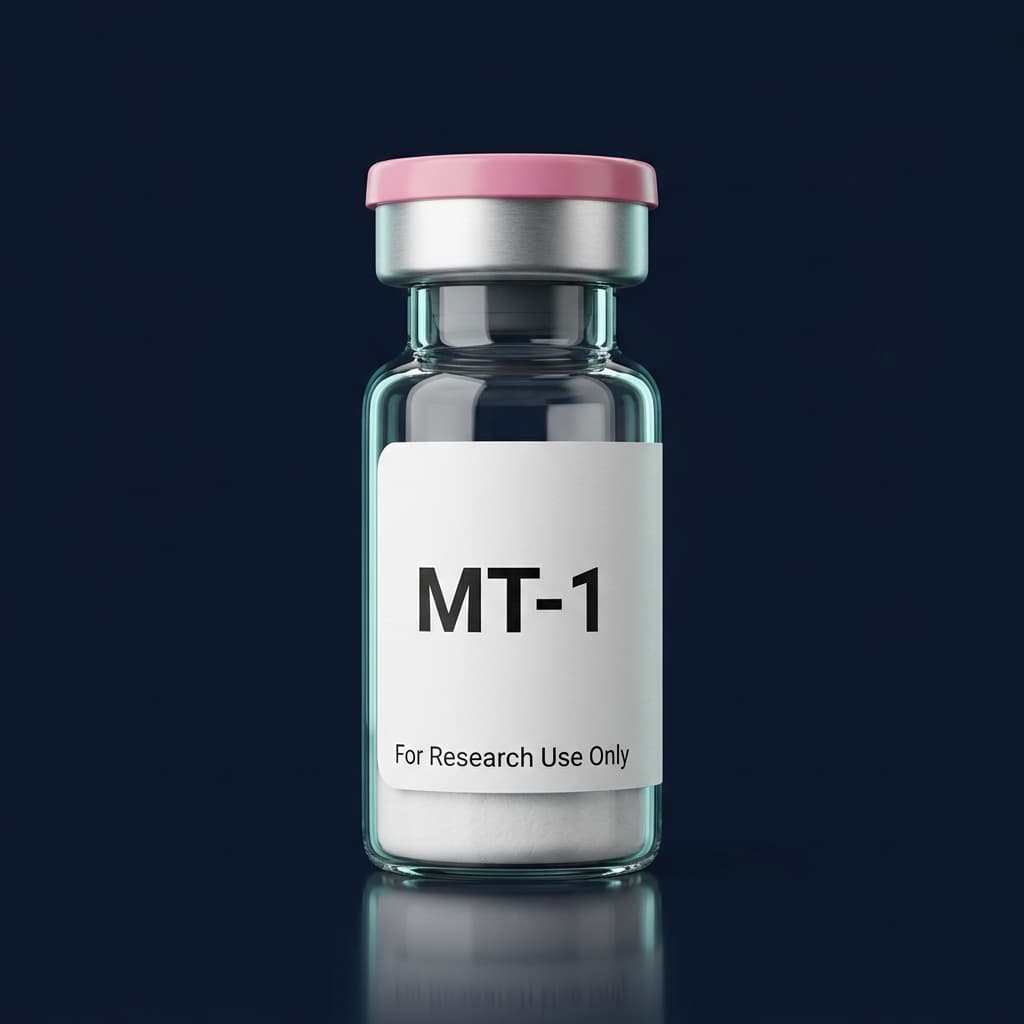 10mg
10mgMelanocortin and Pigment Research Peptides
MT-1 10mg
Research-grade MT-1. Class-level specification ≥98%; selected lots independently tested. Lyophilized powder in sealed glass vial. For laboratory research use only. Not for human consumption.
COA ✓
COA ✓3+ save 5%EU shipping
Buy 3+, save 5%In Stock
€34.99
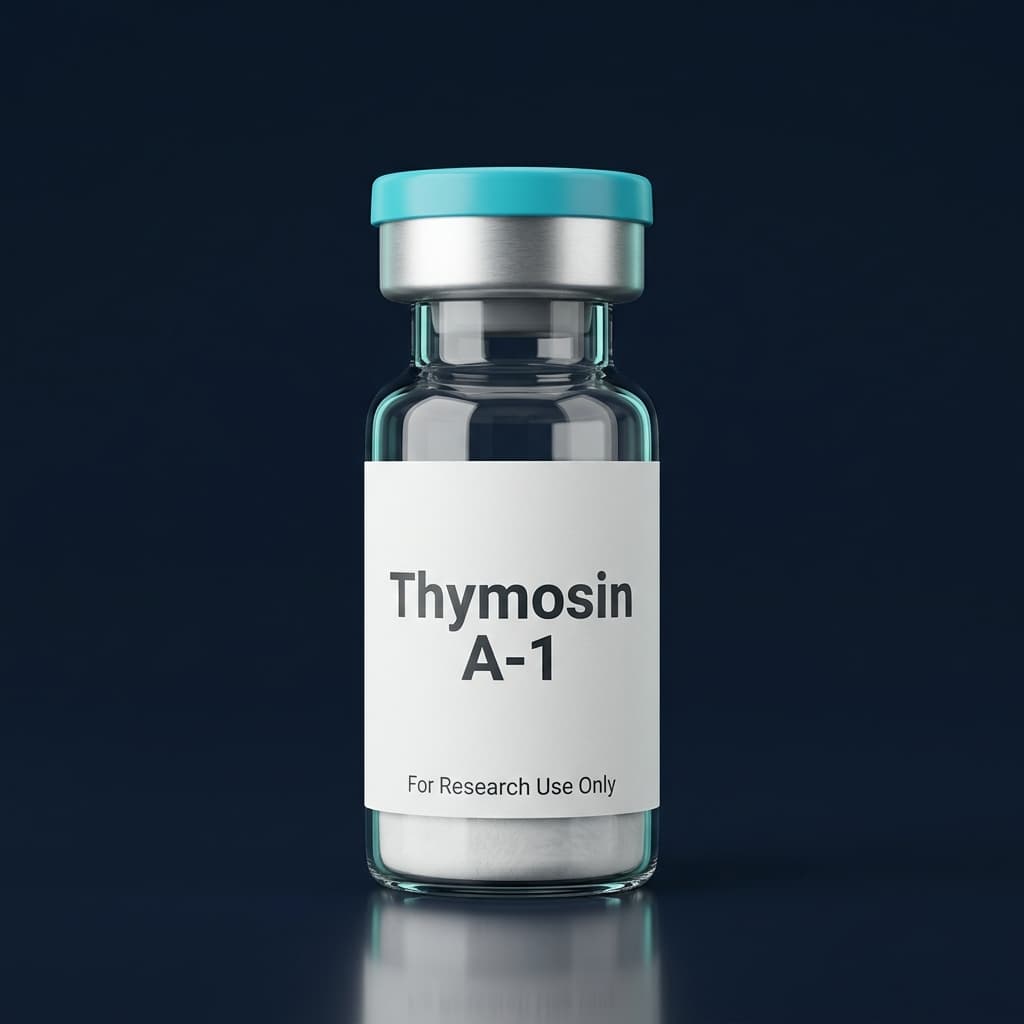 10mg−18%
Thymic Research Peptides
Thymosin Alpha-1
Thymosin Alpha-1 is a 28-amino acid immunomodulatory peptide originally isolated from thymic tissue. It has been extensively studied for its role in modulating innate and adaptive immune responses in various research models. 28-amino acid thymic peptide Innate and adaptive immune modulation research Dendritic cell maturation and T-cell activation studies For research purposes only.
COA ✓
COA ✓3+ save 5%EU shipping
In Stock
From€20.99
10mg now €79.99, was €97.49
Cyclic and Neuropeptide Research Compounds
DSIP
Research-grade DSIP. Class-level specification ≥98%; selected lots independently tested. Lyophilized powder in sealed glass vial. For laboratory research use only. Not for human consumption.
COA ✓
COA ✓3+ save 5%EU shipping
In Stock
From€14.49
Gonadotropic Research Peptides
KissPeptin-10
Research-grade KissPeptin-10. Class-level specification ≥98%; selected lots independently tested. Lyophilized powder in sealed glass vial. For laboratory research use only. Not for human consumption.
COA ✓
COA ✓3+ save 5%EU shipping
In Stock
From€25.49
 10mg
10mgMelanocortin and Pigment Research Peptides
PT-141 10mg
Research-grade PT-141. Class-level specification ≥98%; selected lots independently tested. Lyophilized powder in sealed glass vial. For laboratory research use only. Not for human consumption.
COA ✓
COA ✓3+ save 5%EU shipping
Buy 3+, save 5%In Stock
€41.99
 10ml
10mlLaboratory Consumables and Reconstitution Supplies
Acetic Acid Water 10ml
Research-grade Acetic Acid Water. For peptide reconstitution. For research purposes only. Not for human consumption.
3+ save 5%EU shipping
Buy 3+, save 5%In Stock
€5.99
 60mg
60mgCyclic and Neuropeptide Research Compounds
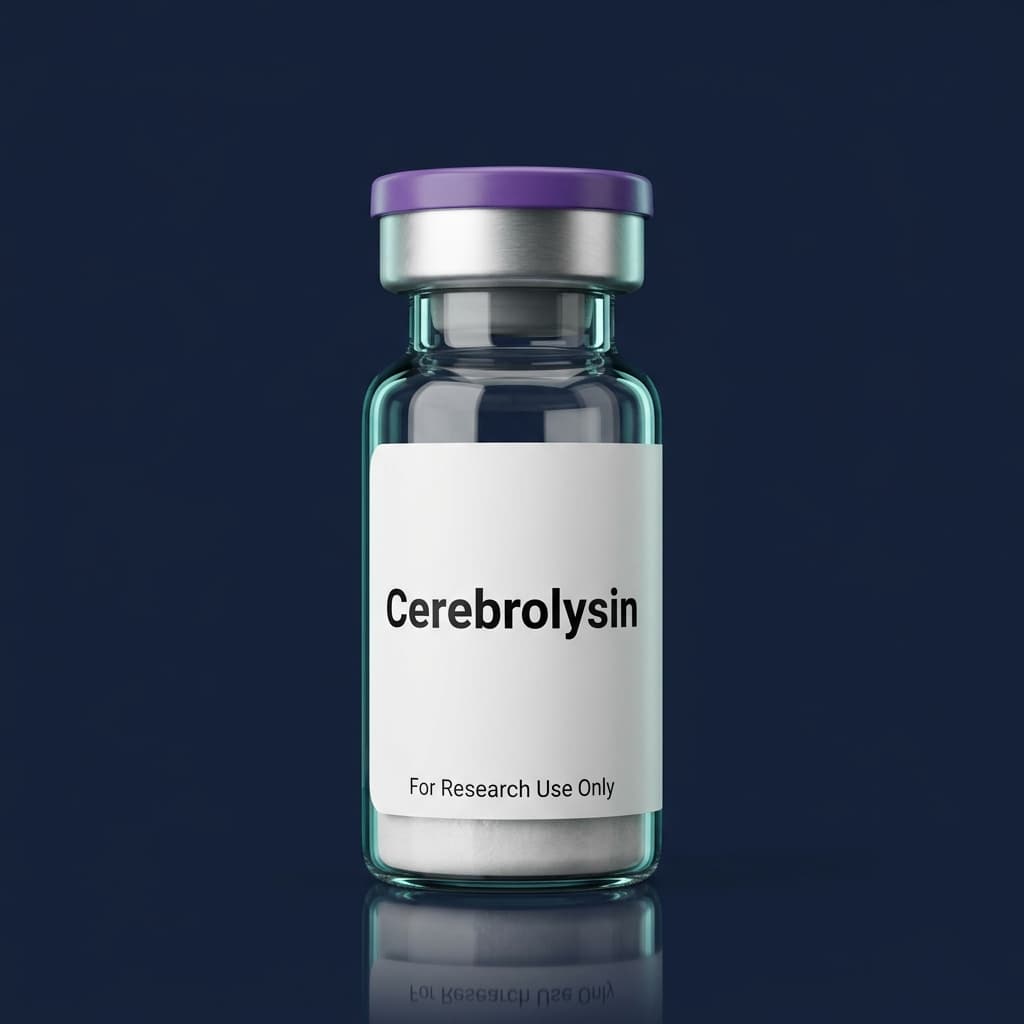
Cerebrolysin 60mg
Research-grade Cerebrolysin. Specification on record: peptide hydrolysate (porcine brain extract), ≥85% peptides ≤10 kDa; selected lots independently tested. Lyophilized powder in sealed glass vial. For laboratory research use only. Not for human consumption.
COA ✓
COA ✓3+ save 5%EU shipping
Buy 3+, save 5%In Stock
€28.99
Metabolic and Cellular-Aging Research Compounds
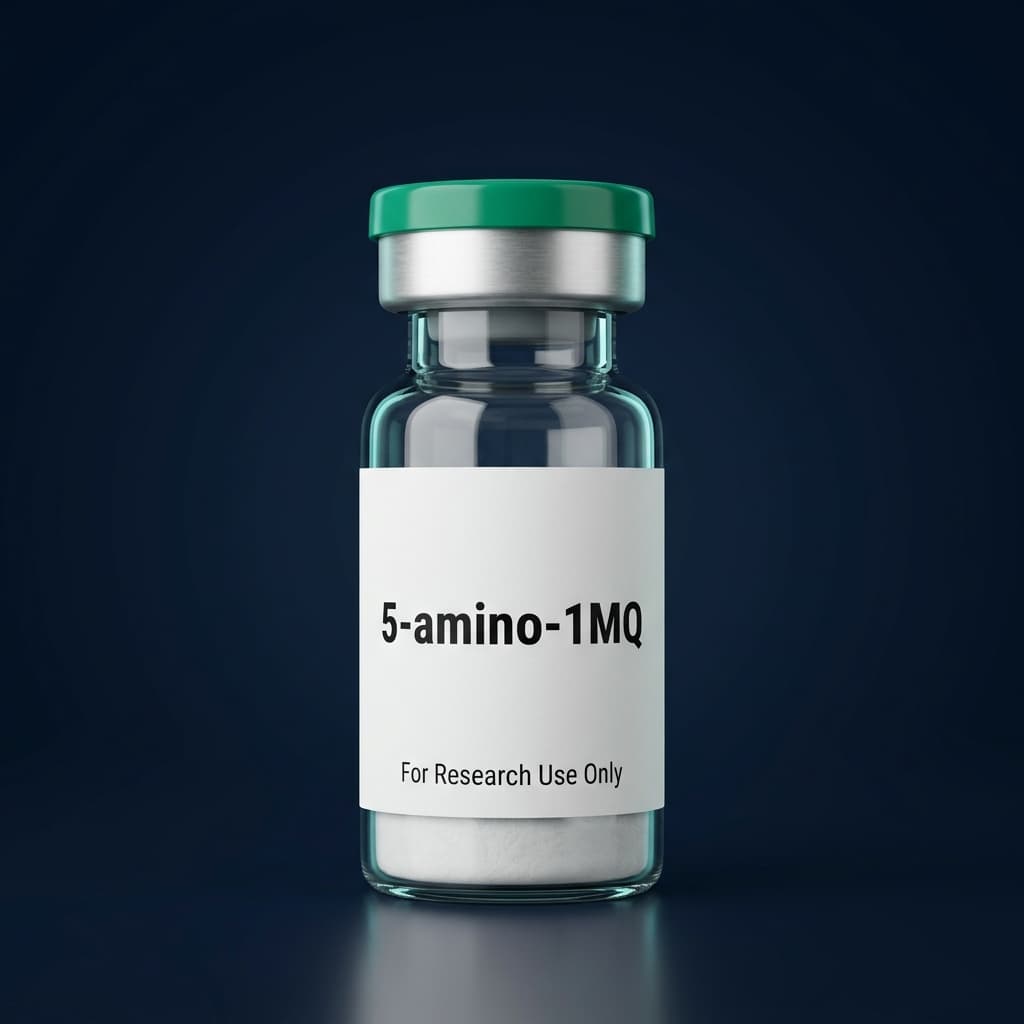
5-amino-1mq
Research-grade 5-amino-1mq. Class-level specification ≥98%; selected lots independently tested. Lyophilized powder in sealed glass vial. For laboratory research use only. Not for human consumption.
COA ✓
COA ✓3+ save 5%EU shipping
In Stock
From€29.99
 100mg
100mgCopper and Mitochondrial Research Peptides
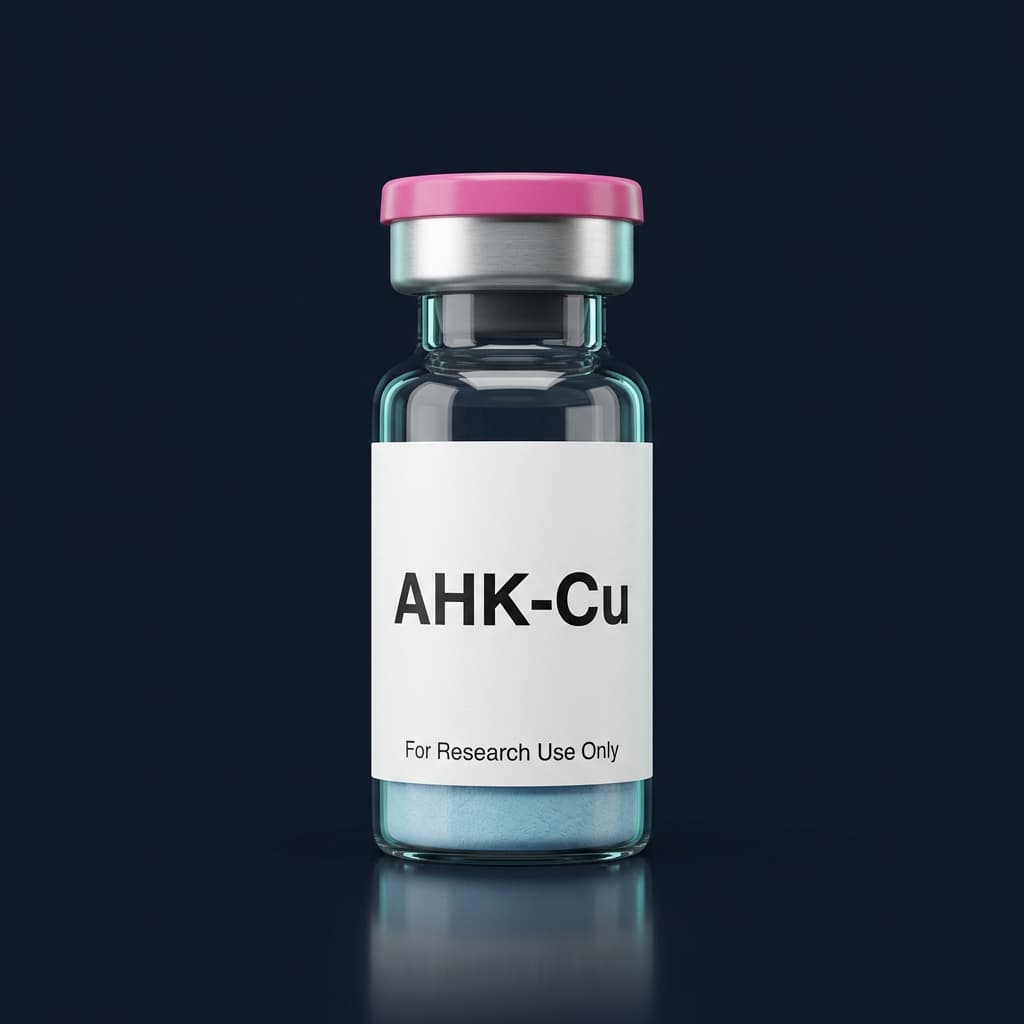
AHK-Cu 100mg
AHK-Cu (Copper Tripeptide-3) is a synthetic copper-binding tripeptide investigated for dermal papilla cell proliferation, VEGF expression, and hair follicle biology. Supplied as lyophilized powder; class-level specification ≥98%; selected lots independently tested. For research purposes only. Not for human consumption.
COA ✓
COA ✓3+ save 5%EU shipping
Buy 3+, save 5%In Stock
€39.99
Bioregulator Research Peptides
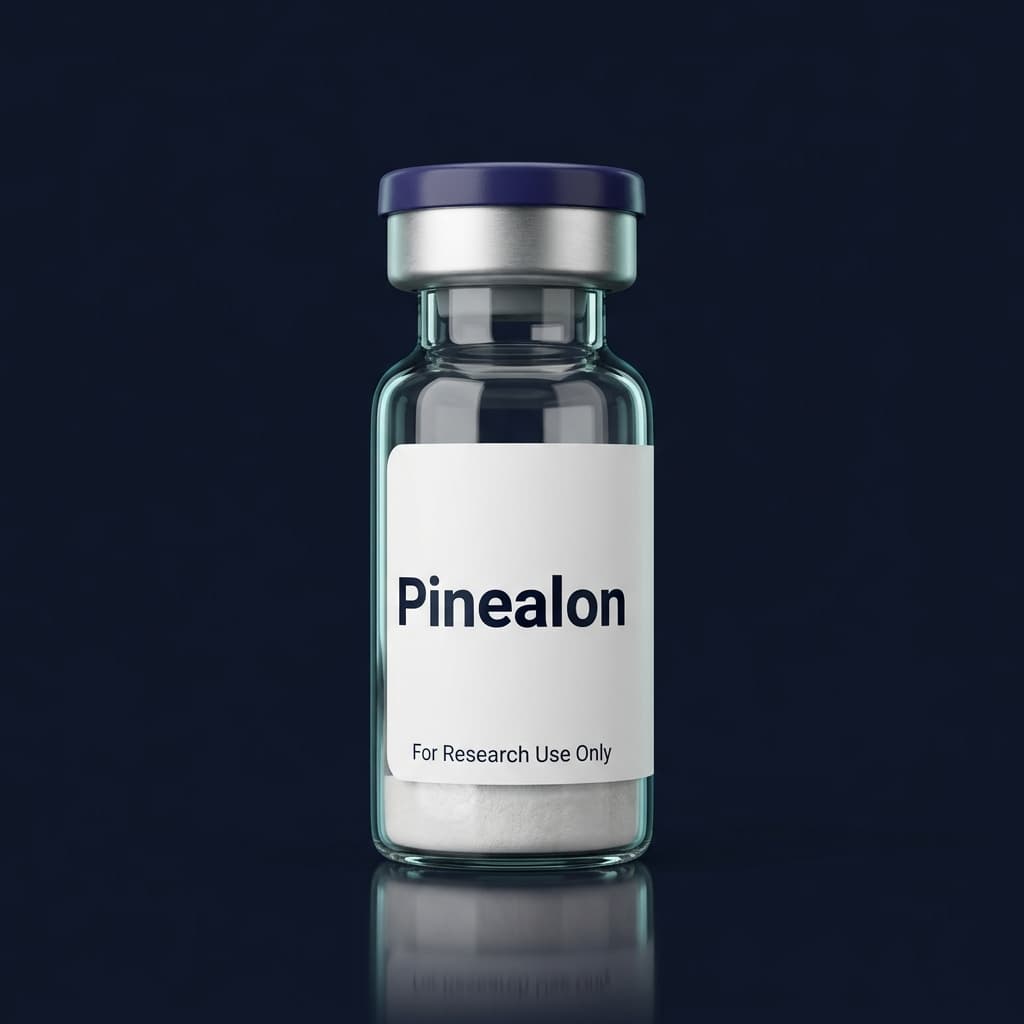
Pinealon
Research-grade Pinealon. Class-level specification ≥97% (short bioregulator peptide); selected lots independently tested. Lyophilized powder in sealed glass vial. For laboratory research use only. Not for human consumption.
COA ✓
COA ✓3+ save 5%EU shipping
In Stock
From€32.49
 10mg
10mgThymic Research Peptides
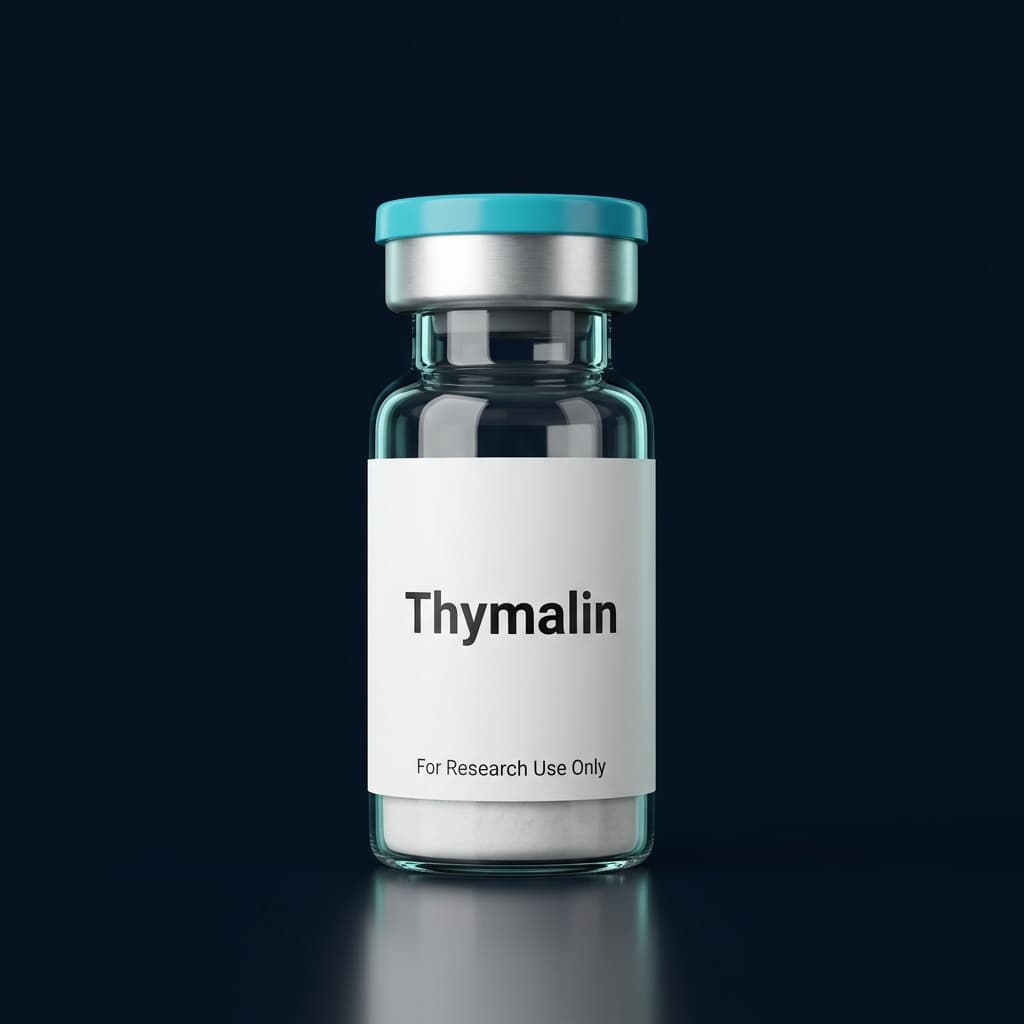
Thymalin 10mg
Research-grade Thymalin. Polypeptide complex (biological activity assay); selected lots independently tested. Lyophilized powder in sealed glass vial. For laboratory research use only. Not for human consumption.
COA ✓
COA ✓3+ save 5%EU shipping
Buy 3+, save 5%In Stock
€41.99
 3ml
3mlLaboratory Consumables and Reconstitution Supplies
Storage Vials 3ml (5-Pack)
Clear borosilicate glass storage vials 3ml (5-pack). Aluminium-sealed caps. USP Type I glass. For peptide storage.
3+ save 5%EU shipping
Buy 3+, save 5%In Stock
€17.99
 10mg
10mgDermatological and Skin Research Compounds
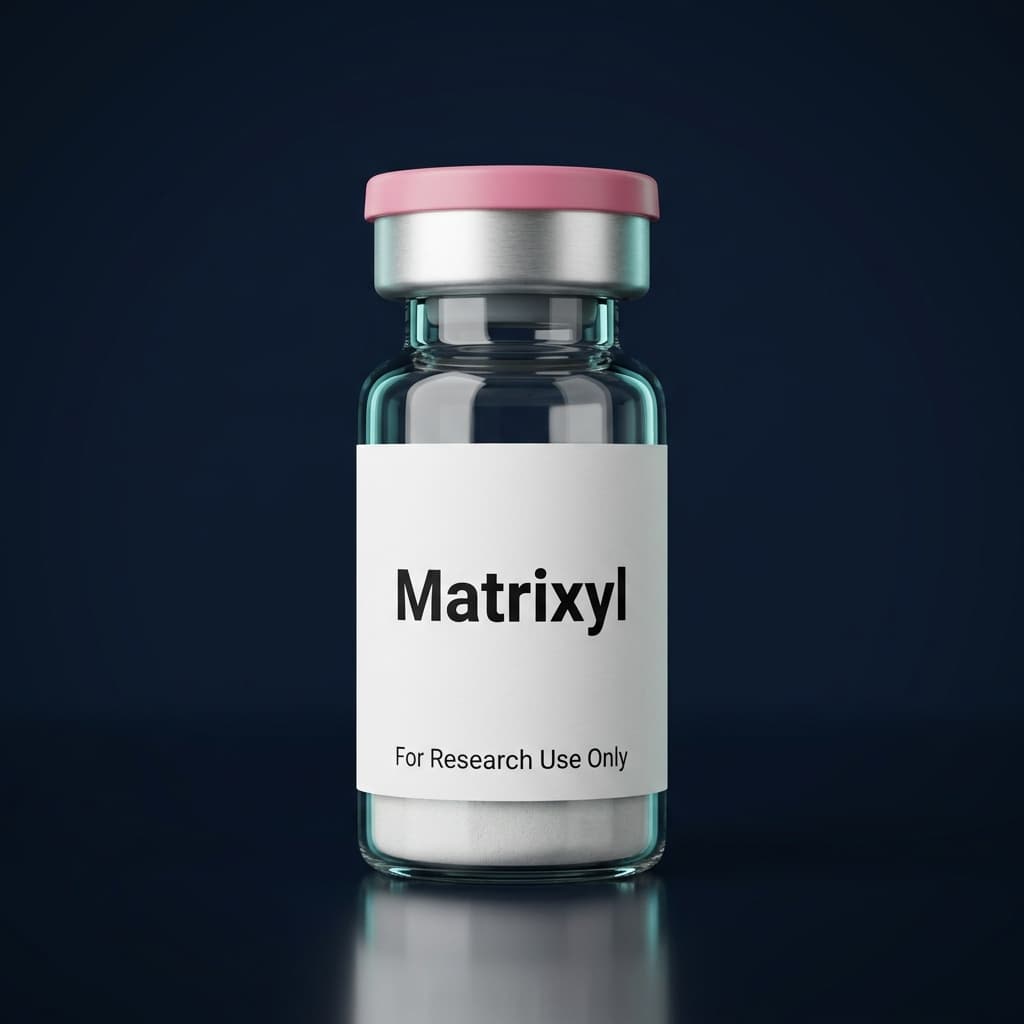
Matrixyl 10mg
Matrixyl (Palmitoyl Pentapeptide-4) is a synthetic matrikine composed of a pro-collagen I fragment linked to a palmitoyl chain for enhanced membrane penetration. Studied for stimulating extracellular matrix production. Supplied as lyophilized powder; class-level specification ≥98%. For research purposes only. Not for human consumption.
COA ✓
COA ✓3+ save 5%EU shipping
Buy 3+, save 5%In Stock
€19.99
Gonadotropic Research Peptides
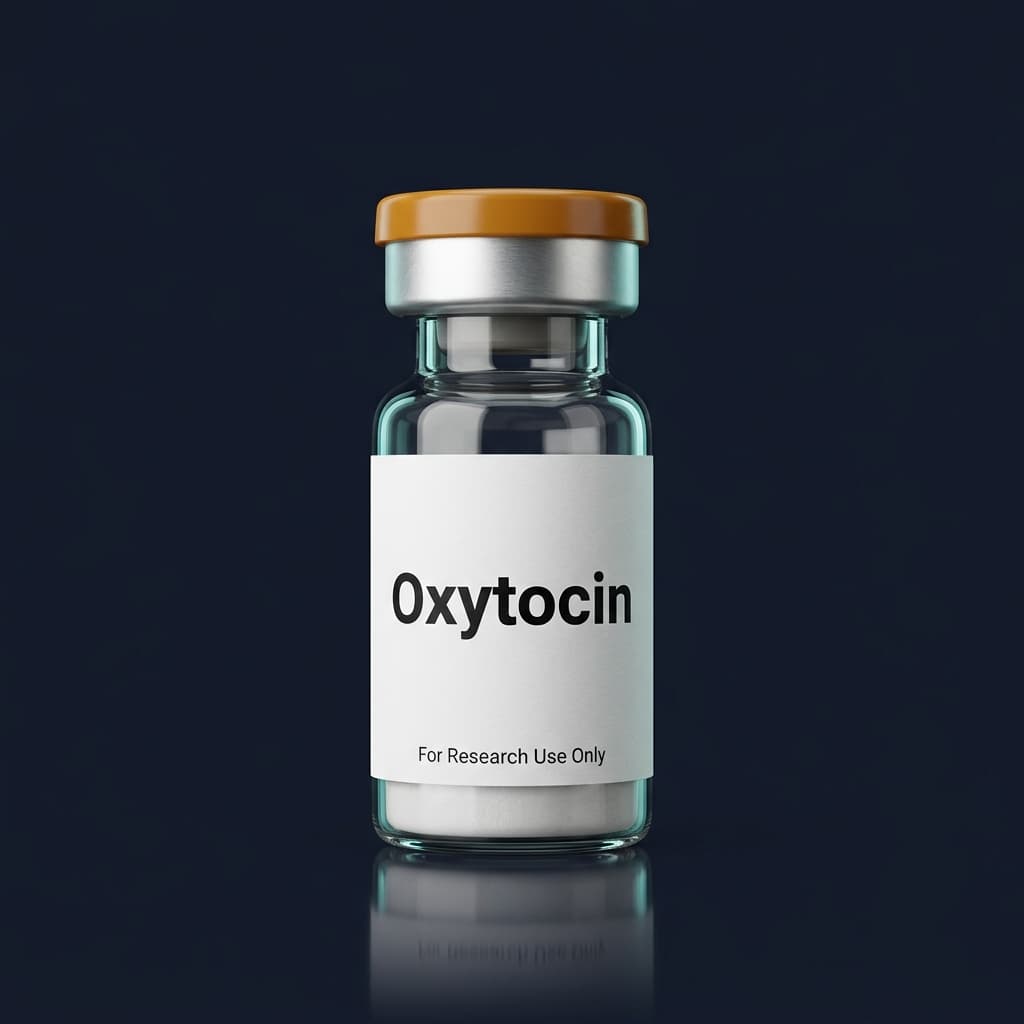
Oxytocin Acetate
Research-grade Oxytocin Acetate. Class-level specification ≥98% (10mg: ≥97%). Lyophilized powder in sealed glass vial. For laboratory research use only. Not for human consumption.
COA ✓
COA ✓3+ save 5%EU shipping
In Stock
From€14.49
 10mg
10mgDermatological and Skin Research Compounds
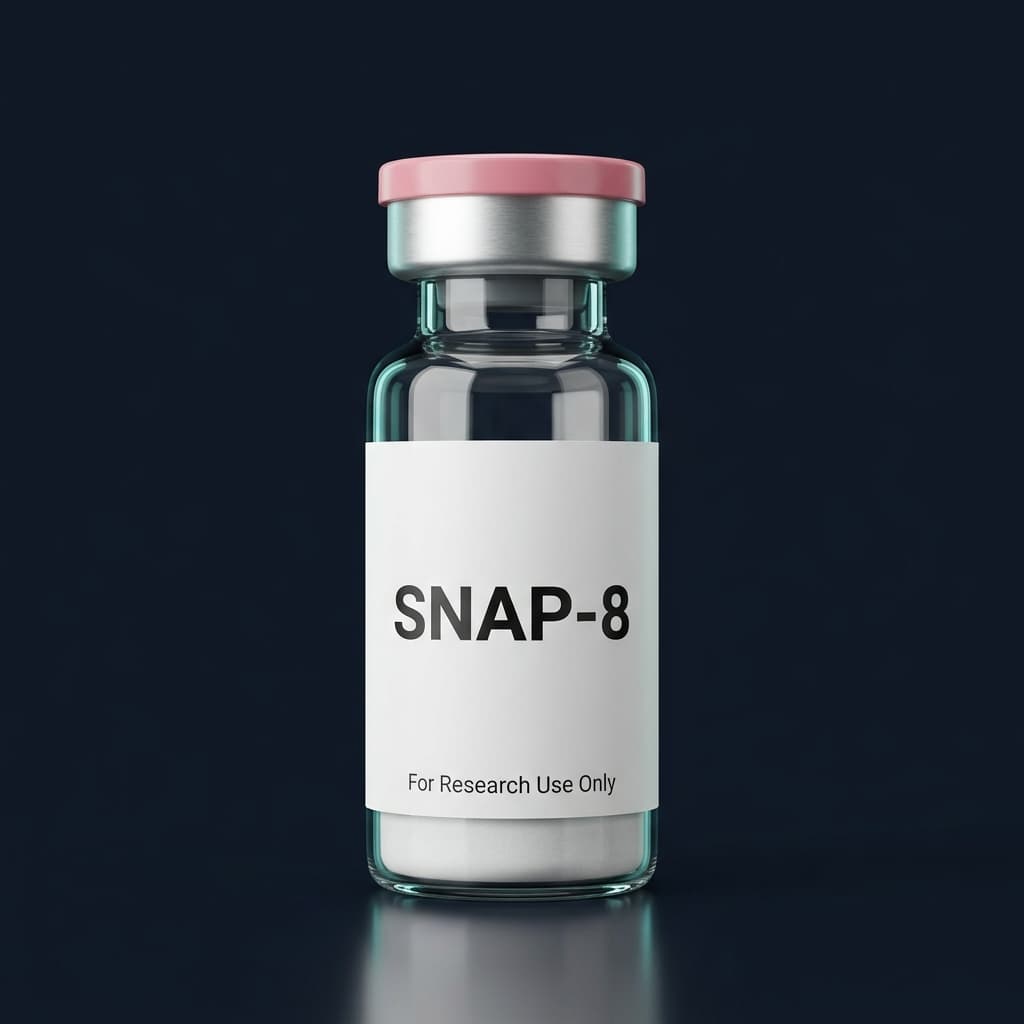
SNAP-8 10mg
SNAP-8 (Acetyl Octapeptide-3) is a synthetic octapeptide that mimics the N-terminal domain of SNAP-25. Investigated for modulating neuromuscular junction activity. Supplied as lyophilized powder; class-level specification ≥98%; selected lots are independently tested. For research purposes only. Not for human consumption.
COA ✓
COA ✓3+ save 5%EU shipping
Buy 3+, save 5%In Stock
€25.49
Cyclic and Neuropeptide Research Compounds
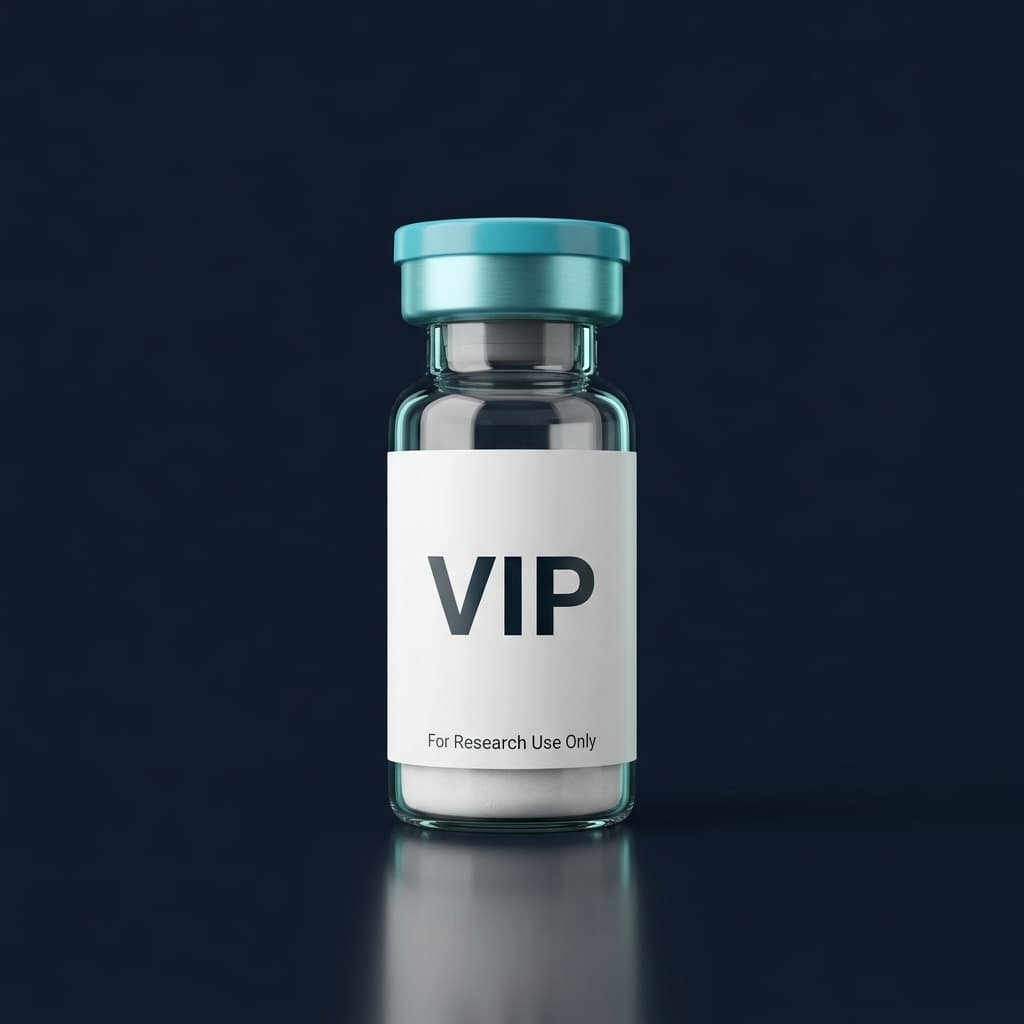
VIP
Research-grade VIP. Class-level specification ≥98%; selected lots independently tested. Lyophilized powder in sealed glass vial. For laboratory research use only. Not for human consumption.
COA ✓
COA ✓3+ save 5%EU shipping
In Stock
From€46.99
 5mg
5mgTissue Healing and Regeneration Research Compounds
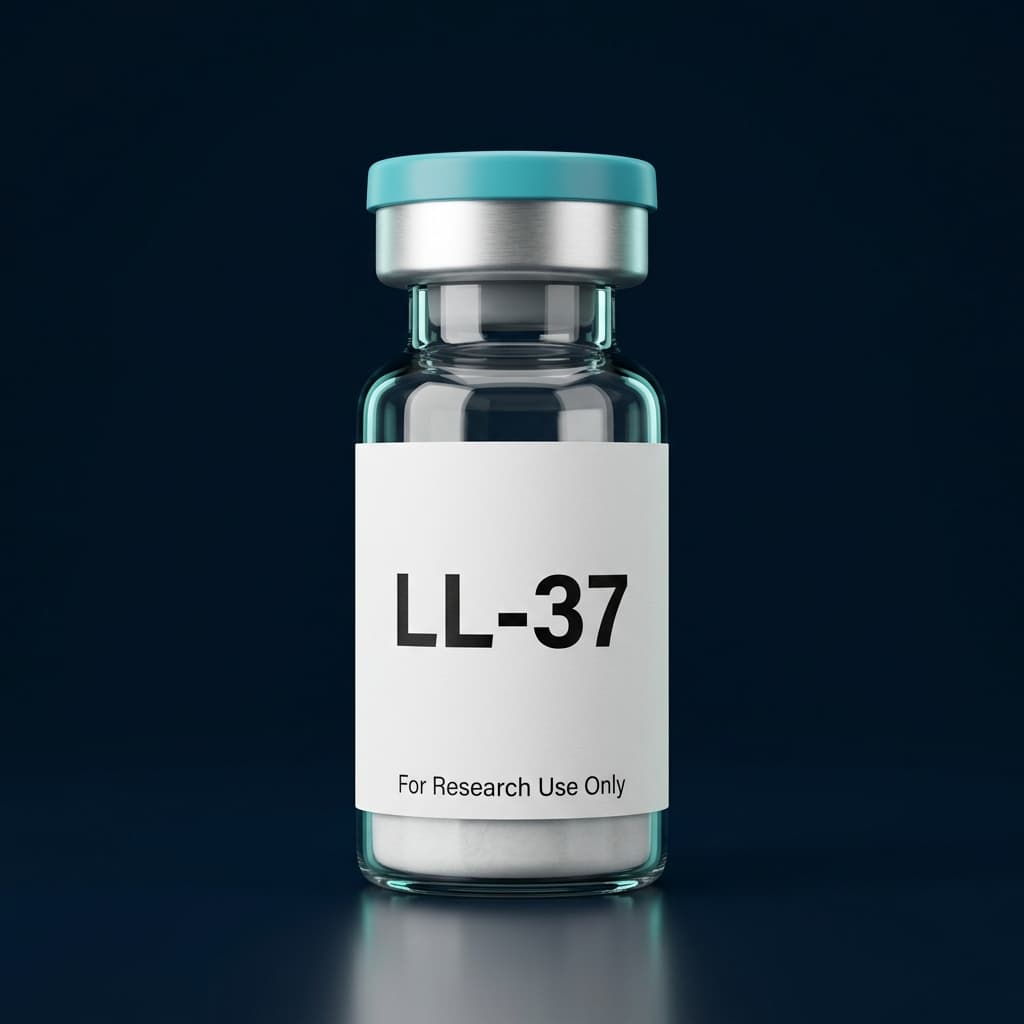
LL-37 5mg
LL-37 is a 37-amino acid peptide belonging to the cathelicidin family. It is the only human cathelicidin and has been widely studied for its role in innate immune signaling and host defense peptide research. Human cathelicidin host defense peptide Innate immune signaling and membrane interaction studies Biofilm disruption and microbiology research For research purposes only. Not for human consumption.
COA ✓
COA ✓3+ save 5%EU shipping
Buy 3+, save 5%In Stock
€76.99
Metabolic and Cellular-Aging Research Compounds
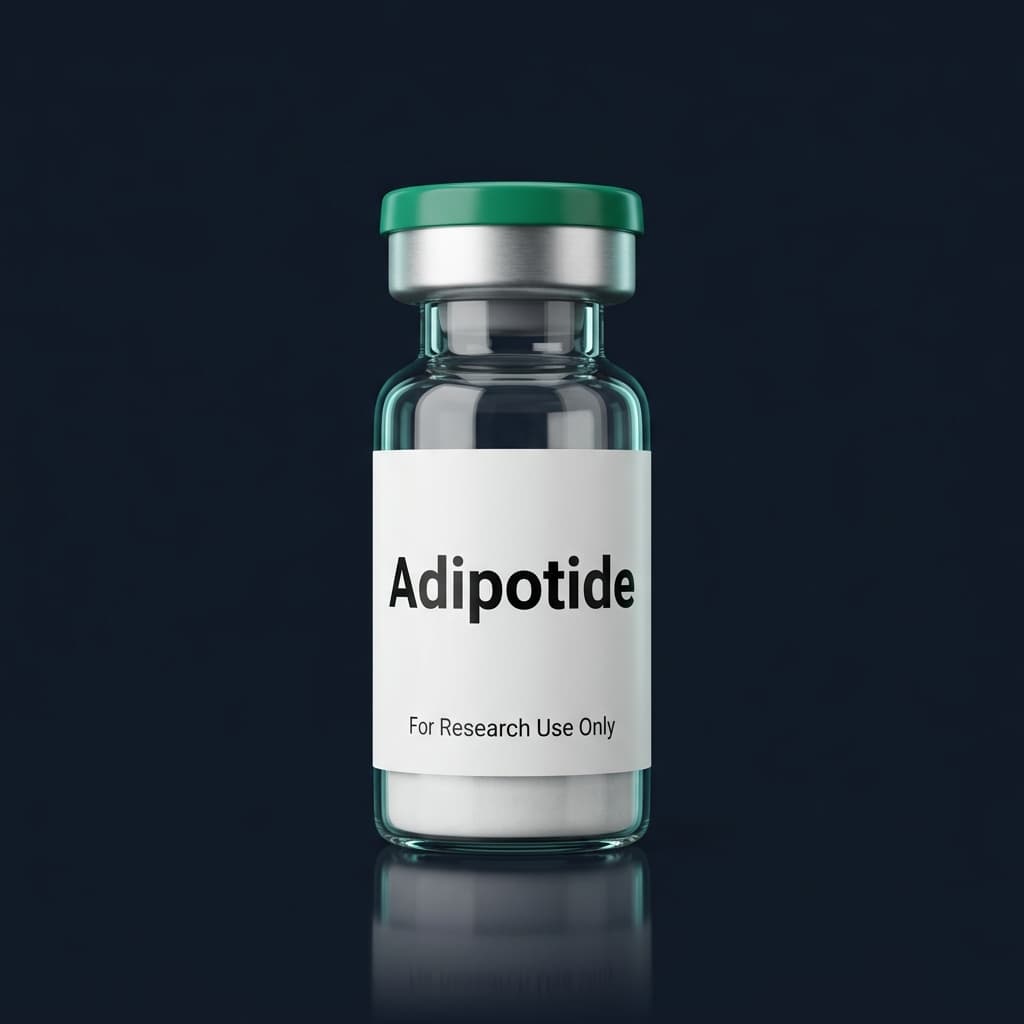
Adipotide
Research-grade Adipotide. Class-level specification ≥98%. Lyophilized powder in sealed glass vial. For laboratory research use only. Not for human consumption.
COA ✓
COA ✓3+ save 5%EU shipping
In Stock
From€39.99
Showing 1–32 of 36 products