Research-grade compound. Laboratory use only. Not intended for human or animal use, ingestion, or injection. No medical claims are made or implied.
≥98% Purity
SARMsSKU: CP-S9
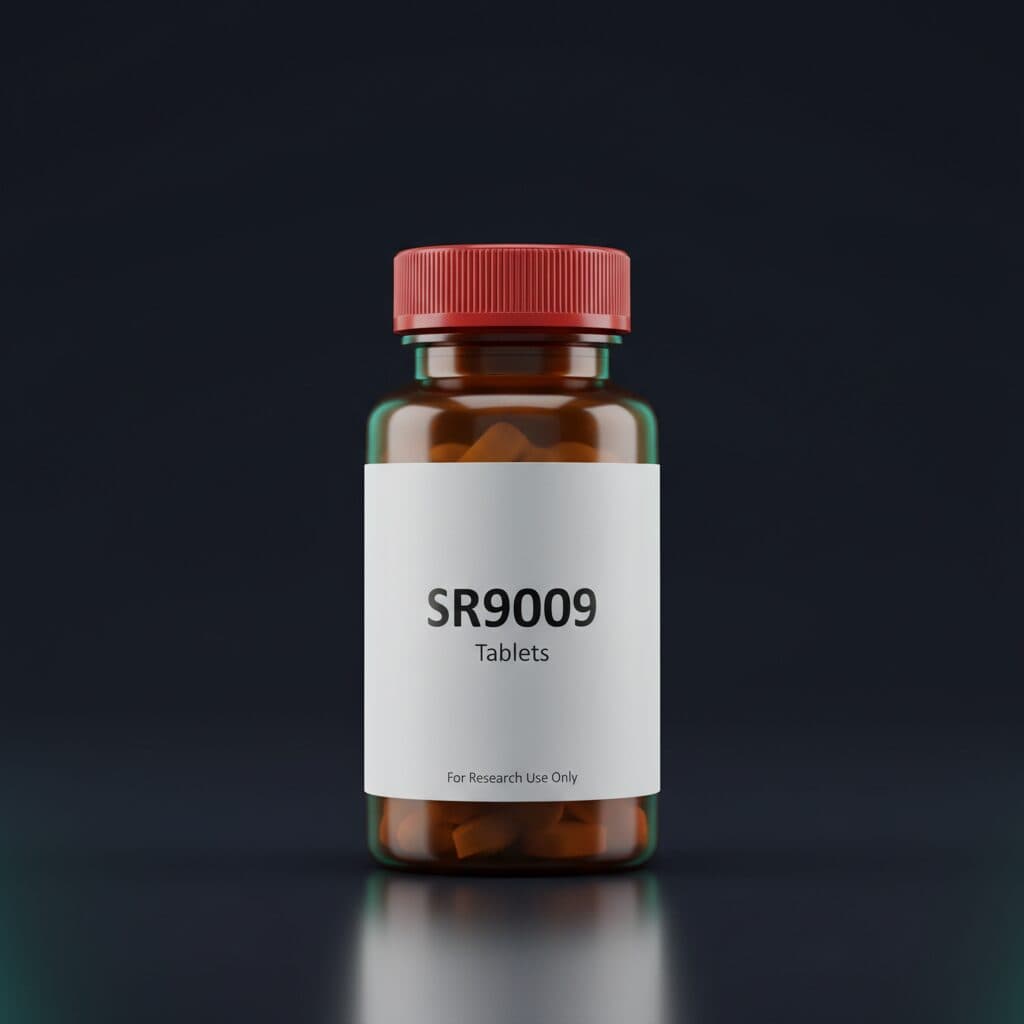
SR9009 10mg
≥98% PuritySupplier batch spec; selected lots Janoshik-tested
€184.99In Stock
Only 1 left in stock — order soon
Delivers to EU in 11-14 business days
Free shipping over €200 · no customs paperwork (EU) · via EU carrier network
Research-grade SR9009. ≥98% supplier batch specification; selected lots independently tested (99.3% avg across published reports). Oral capsules in sealed bottle. For laboratory research use only. Not for human consumption.
Volume PricingApplied automatically at checkout
| Quantity | Price Each | Total | Savings |
|---|---|---|---|
| 1 unit | €184.99 | €184.99 | -- |
| 3+ | €175.74 | €527.22 | 5% off |
| 5+Most Popular | €166.49 | €832.46 | 10% off |
| 10+ | €157.24 | €1,572.42 | 15% off |
1
Total: €184.99
Free shipping on orders over €200
Important Notice
This product is intended for laboratory and research use only. Not for human or veterinary use. By purchasing, you confirm this product will be used exclusively for in-vitro research purposes.
When This Product May Not Suit Your Research
- ⚠If your research requires GMP-grade material for clinical applications — research-grade peptides are not intended for clinical use.
- ⚠If your lab lacks proper cold storage (-20°C freezer) — this peptide's stability may be compromised at higher temperatures.
- ⚠If your study protocol requires FDA-approved reference standards — contact USP or a certified reference material provider.
Purity HPLC
99.3% average HPLC purity, verified by independent third-party testing
Third-Party Tested
Janoshik report published when available
Fast Shipping
24h dispatch, EU-wide shipping from €4.99
Third-Party Tested
Supplier batch specification on every product; independent Janoshik report on selected lots
Last reviewed: 2026-06-05
About SR9009 10mg
SR9009 sits in an unusual corner of receptor pharmacology. It's classified alongside SARMs in most research catalogs, but it's actually a Rev-ErbA agonist -- binding to circadian clock proteins rather than androgen receptors. The distinction matters for understanding what you're studying and why the rodent data looks the way it does.
Rev-ErbA proteins (alpha and beta isoforms) are nuclear receptors that help regulate the body's circadian oscillator. They influence gene expression tied to metabolism, mitochondrial biogenesis, and inflammatory signaling. SR9009 activates both isoforms, which in cell and animal models produces effects that look superficially similar to endurance training -- increased mitochondrial density, enhanced fatty acid oxidation, changes in skeletal muscle gene expression. Some researchers describe this mechanism as "exercise mimetic," though that phrase probably overstates what the data shows.
The bioavailability issue is worth knowing upfront: early rodent studies typically used intraperitoneal injection rather than oral dosing, partly because SR9009 has relatively poor oral bioavailability in rat models. Whether this translates to the same constraint in other species is unclear. It's a meaningful caveat when interpreting the preclinical literature.
Research Applications
Most published SR9009 research has focused on metabolic parameters -- lipid profiles, glucose handling, fat mass in diet-induced obesity models -- and on endurance capacity in rodents. There's also some work examining circadian rhythm disruption models, where Rev-ErbA agonism might help re-entrain disrupted biological clocks. The neuroprotective angle has been explored too, given Rev-ErbA's presence in neural tissue, though this is earlier-stage research.
Specifications
| Parameter | Value |
|---|---|
| Molecular Formula | C23H24ClN3O3S |
| Molecular Weight | 478.97 g/mol |
| Purity | ≥98% (supplier batch spec; 99.3% avg across independently tested lots) |
| Format | Lyophilized powder |
| Storage | -20°C, protect from light |
| Reconstitution | DMSO or PEG400 |
Storage
Store at -20°C in the original sealed vial. SR9009 is light-sensitive -- minimize exposure during handling. Once dissolved, use promptly or aliquot to avoid repeated freeze-thaw cycles. DMSO solutions are commonly used in research protocols.
Is SR9009 actually a SARM?
No. SR9009 is a Rev-ErbA agonist, not a selective androgen receptor modulator. It binds to circadian clock proteins (Rev-Erbalpha and Rev-Erbbeta) rather than the androgen receptor. It appears alongside SARMs in many research catalogs due to similar use patterns, but the mechanism is entirely different.
What does "exercise mimetic" mean for SR9009?
Some researchers use this term because SR9009 activates pathways associated with metabolic adaptation -- mitochondrial biogenesis, fatty acid oxidation, and gene expression changes that partially overlap with exercise-induced adaptations in rodent models. It's a useful shorthand but probably overstates how complete or equivalent those effects are compared to actual physical training.
Why did early rodent studies use injection rather than oral dosing?
SR9009 has relatively poor oral bioavailability in rat models, so many preclinical studies used intraperitoneal injection to ensure adequate plasma levels. How this constraint applies across different species or formulations is still being studied. This is worth considering when reading the preclinical literature.
SR9009 is supplied for laboratory research use only. Not approved for human use. Handle in compliance with institutional biosafety guidelines.
Specification Summary
Purity99.3% avg
FormLyophilized Powder
Storage-20\u00B0C
Researcher Confidence
Why researchers choose CertaPeptides
Who actually tests this?
Selected lots are independently verified by Janoshik Analytical (Czech Republic) and published on the Janoshik public portal. Other lots ship with the supplier's batch specification. See /coa for the published wall.
View COAs →What if I get the wrong batch?
Every bottle label carries a lot number that maps to a specific Certificate of Analysis. If a batch fails spec, we don't ship it — full stop.
View COAs →Where does it ship from?
Romania (EU). We are CERTALAB SRL, CUI 54169956, VAT-registered. Sameday for Romania, TCE Worldwide for all cross-border EU and non-EU markets (UK, Switzerland, Norway, Iceland, Israel, Serbia). Delivery 1–14 business days depending on destination — exact window shown at checkout.
Shipping details →What if there's a problem?
You have a 14-day withdrawal right under OUG 34/2014 (Romanian/EU consumer law), with ANPC/ODR escalation available. Contact us at support@certapeptides.com.
Returns policy →Product Information
This product is intended for scientific research and development purposes only. It is a chemical substance that shall not be used as a drug, medicine, active substance, or ingredient in any product intended for human or animal consumption. Researchers must handle this compound in accordance with their institutional biosafety guidelines. Use only in properly equipped laboratory settings with appropriate personal protective equipment.
Frequently Asked
Research Library
Related Research Articles
Based on category & popularity
Researchers Also Studied
 SAME FIELD
SARMs
Enclomiphene
Research-grade Enclomiphene. ≥98% supplier batch specification; selected lots independently tested (99.3% avg across published reports). 100 capsules per bottle. For laboratory research use only. Not for human consumption.
From€143.99
 10mgSAME FIELD
SARMs
YK11 10mg
Research-grade YK11. ≥98% supplier batch specification; selected lots independently tested (99.3% avg across published reports). Oral capsules in sealed bottle. For laboratory research use only. Not for human consumption.
€232.99
 10mgSAME FIELD
SARMs
GW-501516/Cardarine 10mg
Research-grade GW-501516/Cardarine. ≥98% supplier batch specification; selected lots independently tested (99.3% avg across published reports). Oral capsules in sealed bottle. For laboratory research use only. Not for human consumption.
€143.99
 25mgSAME FIELD
SARMs
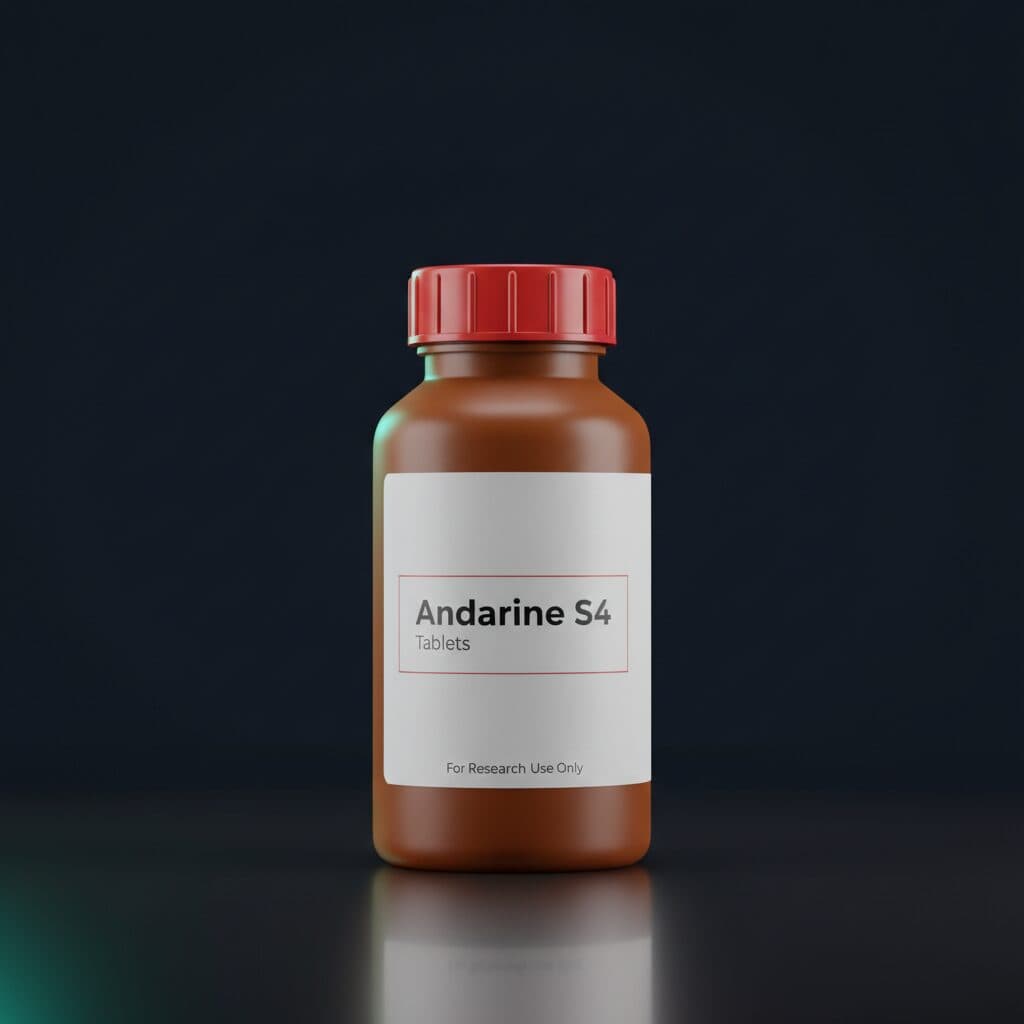
Andarine S4 25mg
Research-grade Andarine S4. ≥98% supplier batch specification; selected lots independently tested (99.3% avg across published reports). Oral capsules in sealed bottle. For laboratory research use only. Not for human consumption.
€133.49
Frequently researched together
Combined Price
€323.46
SR9009 10mg€184.99
1