Research-grade compound. Laboratory use only. Not intended for human or animal use, ingestion, or injection. No medical claims are made or implied.
≥98% PurityIn-House HPLC & MS Tested
BioregulatorsSKU: CP-VI20
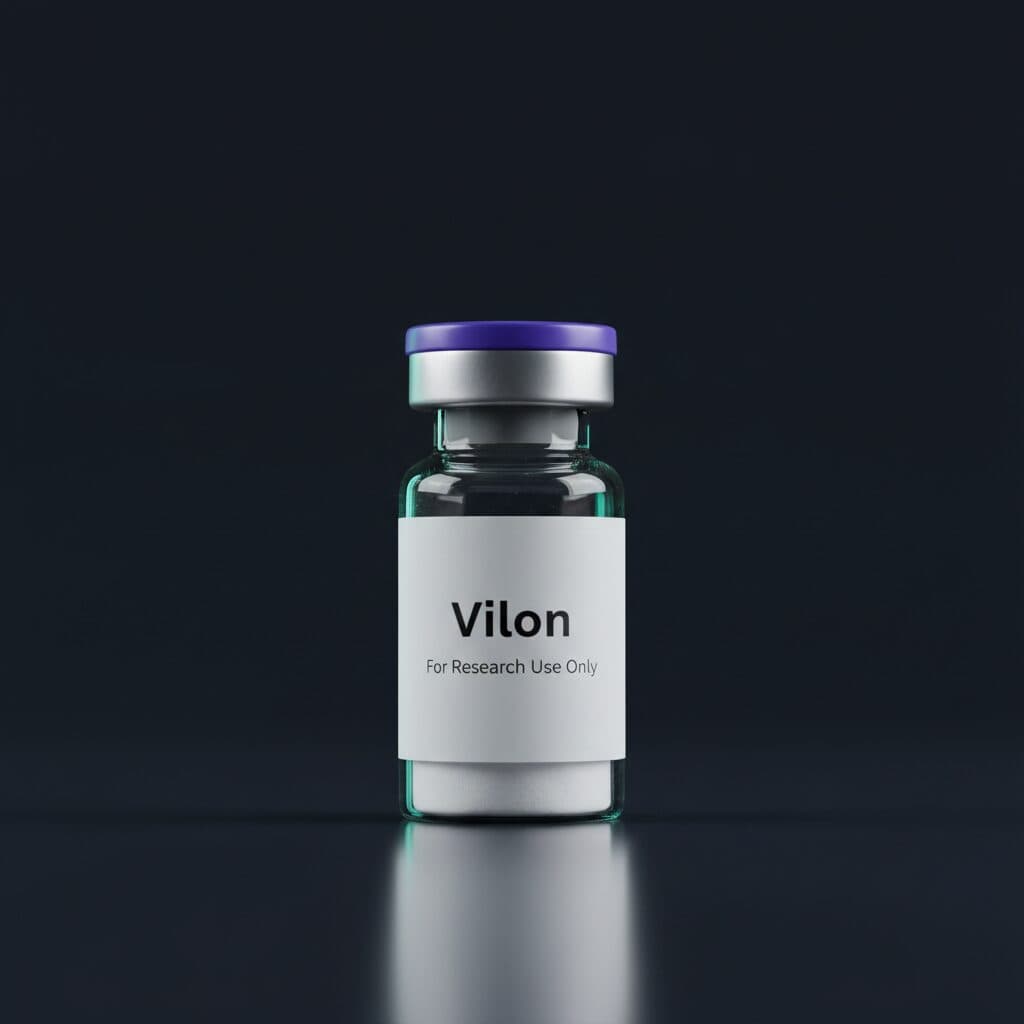
Vilon 20mg
≥99% PurityHPLC & MS verified
€35.99Out of Stock
Delivers to EU in 7-10 business days
Free shipping over €200 · no customs paperwork (EU) · via EU carrier network
Research-grade Vilon. 99.3% avg purity, HPLC & MS verified. Lyophilized powder in sealed glass vial. For laboratory research use only. Not for human consumption.
📦
MADE TO ORDER — Expected delivery: ~3 weeks
Synthesized after your order is placed. We'll email you tracking details when it ships.
Currently Unavailable59 researchers waiting
This product is being restocked
We're working with our supplier to restock this item. Sign up below to be the first to know, or save it to your wishlist.
Important Notice
This product is intended for laboratory and research use only. Not for human or veterinary use. By purchasing, you confirm this product will be used exclusively for in-vitro research purposes.
When This Product May Not Suit Your Research
- ⚠If your research requires GMP-grade material for clinical applications — research-grade peptides are not intended for clinical use.
- ⚠If your lab lacks proper cold storage (-20°C freezer) — this peptide's stability may be compromised at higher temperatures.
- ⚠If your study protocol requires FDA-approved reference standards — contact USP or a certified reference material provider.
Purity HPLC
99.3% average HPLC purity, verified by independent third-party testing
Third-Party Tested
Janoshik report published when available
Fast Shipping
24h dispatch, EU-wide shipping from €4.99
Third-Party Tested
Independent lab verification for every batch
Last reviewed: 2026-04-05
About Vilon 20mg
Vilon is a dipeptide (Lys-Glu / KE) — just two amino acids — making it one of the smallest bioregulatory peptides in the Khavinson series. The question that immediately follows: can two amino acids do anything meaningful biologically? The Khavinson group's answer, backed by published research, is yes — the KE dipeptide shows thymic tissue-specific activity in preclinical models despite its minimal size. The thymus is the primary target: the organ responsible for T-cell maturation that involutes progressively with age, contributing to the immunosenescence that characterizes aging immune systems.
Thymic involution is one of the most well-characterized features of immune aging. Starting in adolescence, fatty tissue progressively replaces functional thymic parenchyma. Naive T-cell output declines. The peripheral T-cell repertoire narrows. By late adulthood, the thymus is largely non-functional as a primary lymphoid organ. Whether that process can be slowed or studied at the gene expression level using bioregulatory peptides is an active research area. Vilon research examines thymocyte differentiation gene expression, T-cell output markers, and CD4/CD8 ratios in aging models. Several decades of published Khavinson Institute data cover thymic bioregulator research specifically.
Specifications
| Sequence | Lys-Glu (KE) |
|---|---|
| Molecular Weight | ~275 Da (dipeptide) |
| Purity | 99.3% avg by HPLC |
| Form | Lyophilized powder |
| Sizes | 20mg |
Storage: Lyophilized: −20°C, away from light. Once reconstituted: 2–8°C, use within 4 weeks.
Quality: HPLC purity analysis, mass spec identity confirmation, endotoxin testing on every batch. COA ships with every order. EU-based QC under CERTALAB S.R.L.
Frequently Asked Questions
How can a dipeptide have meaningful biological activity?
Short peptides can interact with specific DNA sequences and transcription factor binding sites at concentrations relevant to gene regulation. The Khavinson hypothesis is that dipeptides like Lys-Glu can reach cell nuclei and modulate promoter activity in a tissue-specific manner. Evidence from preclinical thymic tissue models supports that this sequence produces measurable biological effects — changes in thymocyte gene expression, T-cell output markers, and thymic morphology — despite its minimal size. Whether the mechanism is exactly as described (direct DNA interaction) or involves other signaling pathways is still being characterized.
How does Vilon relate to thymic aging research?
The thymus produces naive T cells — a function that declines dramatically with age as fatty tissue replaces functional thymic parenchyma. This decline narrows the T-cell repertoire and impairs immune responses to new antigens. Vilon is studied for effects on the gene expression programs governing thymocyte maturation and thymic output, making it a tool for understanding the molecular basis of thymic aging and exploring whether bioregulatory intervention can influence that process.
For research purposes only. Not for human consumption.
Specification Summary
Purity99.3% avg
FormLyophilized Powder
Storage-20\u00B0C
Researcher Confidence
Why researchers choose CertaPeptides
Who actually tests this?
Every batch is independently verified by Janoshik Analytical (100,000+ verifications/month), Eurofins Scientific, and Analytical Sciences International. We publish every Certificate of Analysis.
View COAs →What if I get the wrong batch?
Every bottle label carries a lot number that maps to a specific Certificate of Analysis. If a batch fails spec, we don't ship it — full stop.
View COAs →Where does it ship from?
Romania (EU). We are CERTALAB SRL, CUI RO54451735, VAT-registered. SameDay for Romania, FanCourier for Central/Eastern EU, TCE Worldwide for the rest. 3–7 business days EU-wide.
Shipping details →What if there's a problem?
You have a 14-day withdrawal right under OUG 34/2014 (Romanian/EU consumer law), with ANPC/ODR escalation available. Contact us at support@certapeptides.com.
Returns policy →Product Information
This product is intended for scientific research and development purposes only. It is a chemical substance that shall not be used as a drug, medicine, active substance, or ingredient in any product intended for human or animal consumption. Researchers must handle this compound in accordance with their institutional biosafety guidelines. Use only in properly equipped laboratory settings with appropriate personal protective equipment.
Frequently Asked
Research Library
Related Research Articles
Based on category & popularity
Researchers Also Studied
 20mgSAME FIELD
Bioregulators
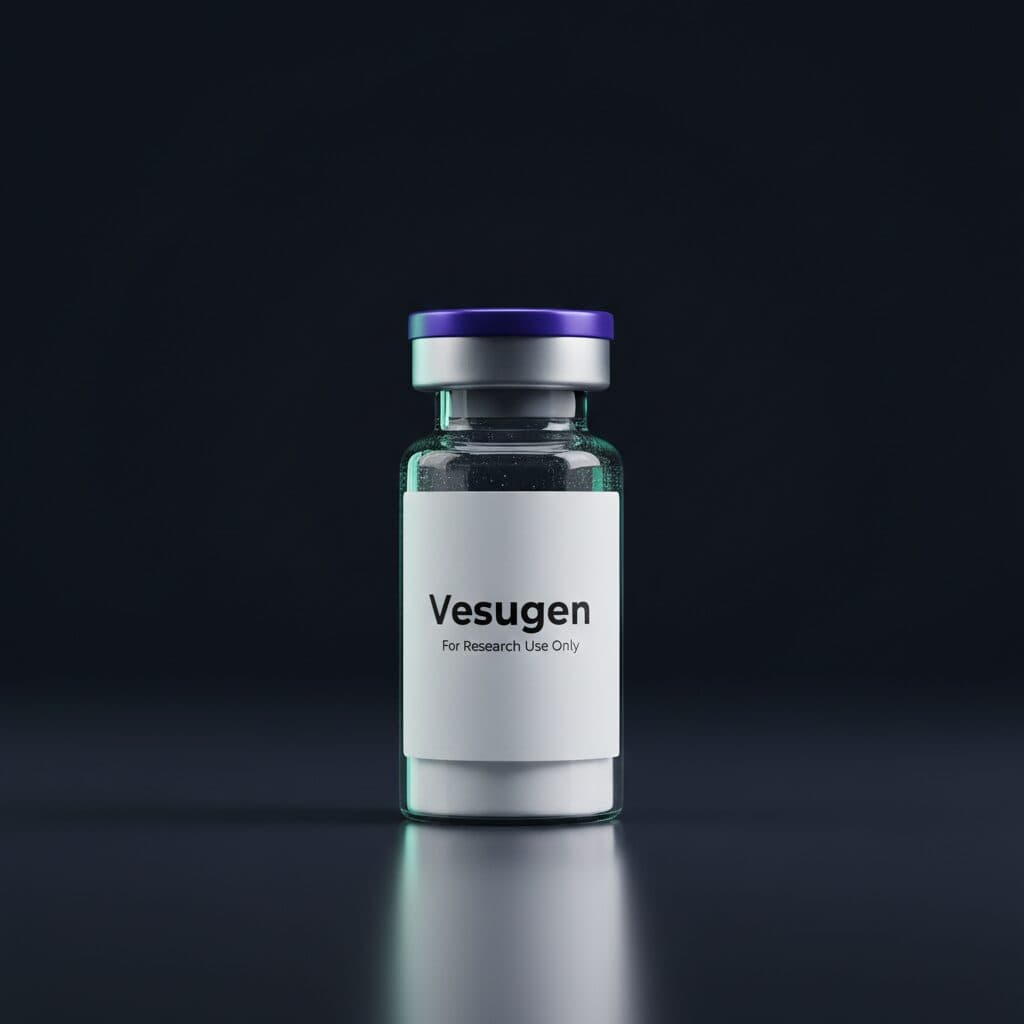
Vesugen 20mg
Research-grade Vesugen. 99.3% avg purity, HPLC & MS verified. Lyophilized powder in sealed glass vial. For laboratory research use only. Not for human consumption.
€32.99
 20mgSAME FIELD
Bioregulators
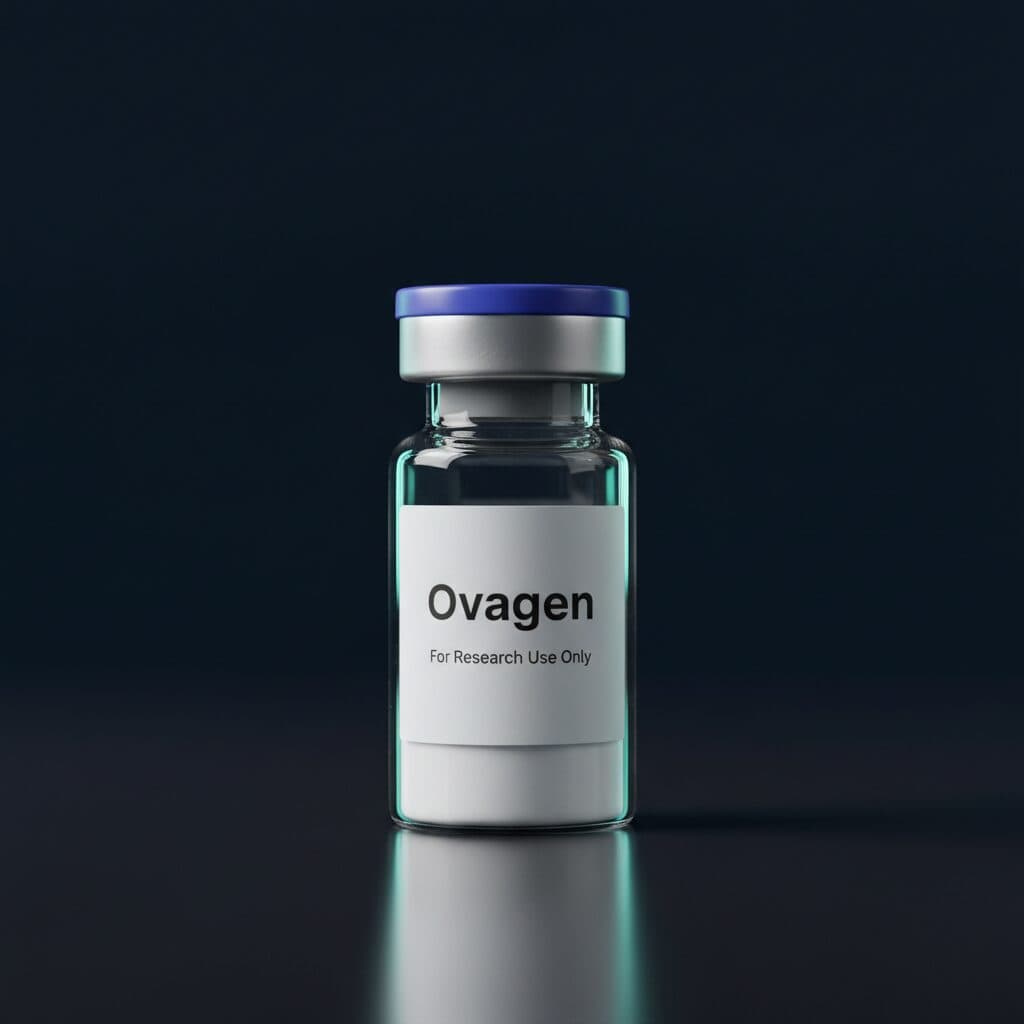
Ovagen 20mg
Research-grade Ovagen. 99.3% avg purity, HPLC & MS verified. Lyophilized powder in sealed glass vial. For laboratory research use only. Not for human consumption.
€32.99
 20mgSAME FIELD
Bioregulators
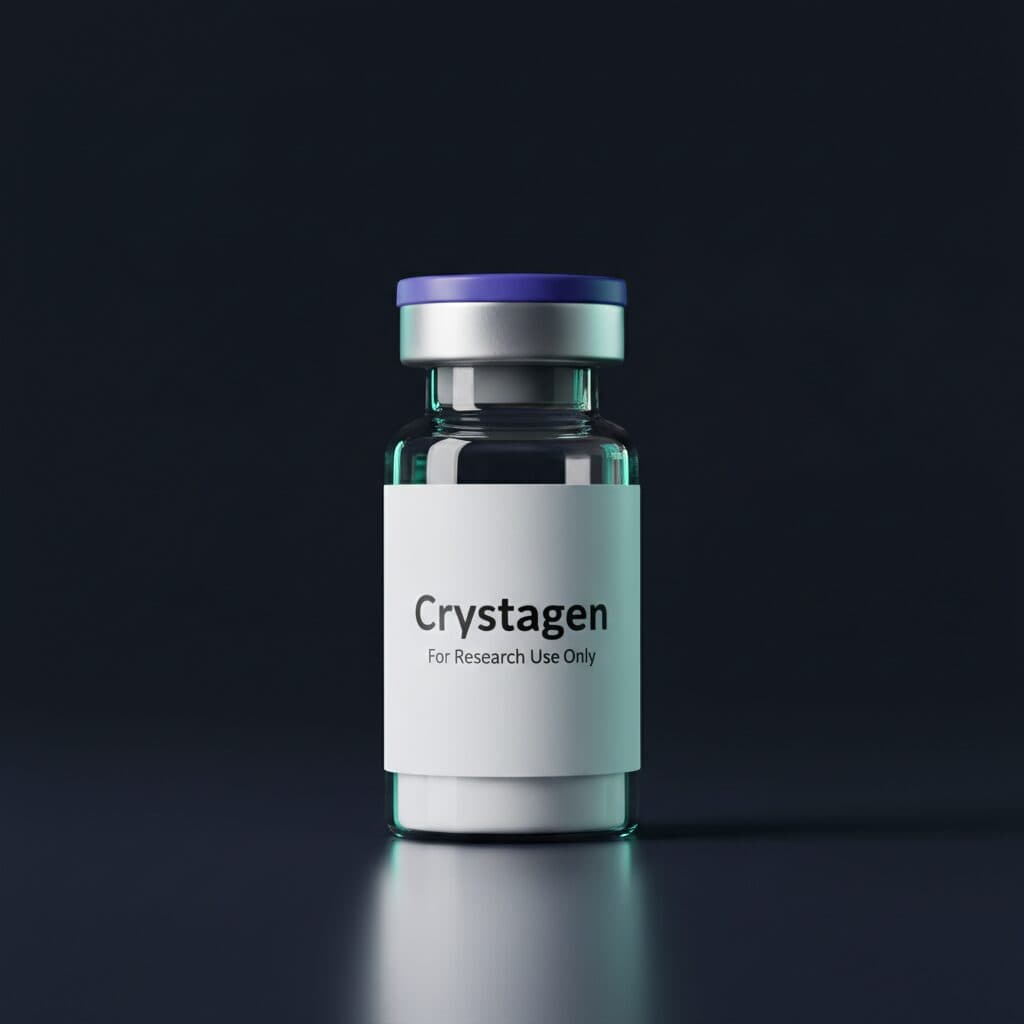
Crystagen 20mg
Research-grade Crystagen. 99.3% avg purity, HPLC & MS verified. Lyophilized powder in sealed glass vial. For laboratory research use only. Not for human consumption.
€32.99
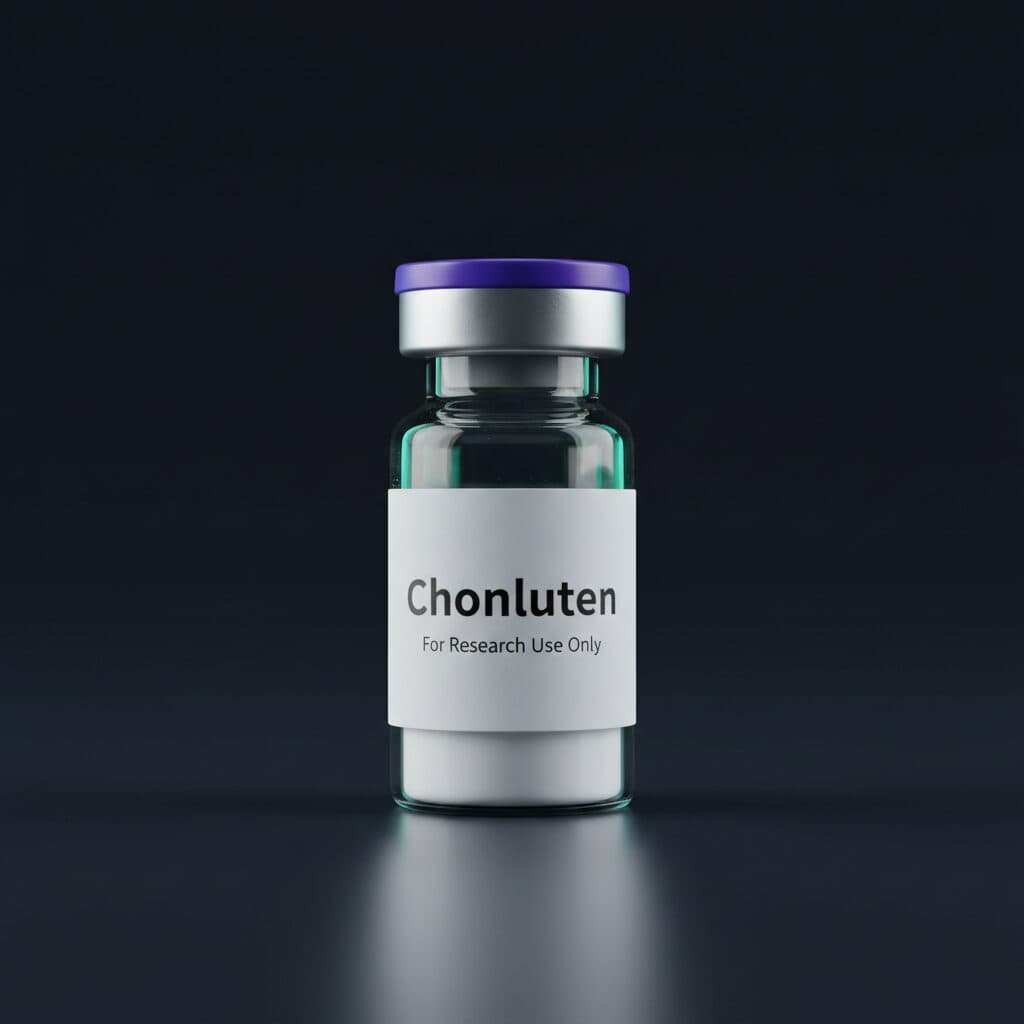 20mgSAME FIELD
Bioregulators
Chonluten 20mg
Research-grade Chonluten. 99.3% avg purity, HPLC & MS verified. Lyophilized powder in sealed glass vial. For laboratory research use only. Not for human consumption.
€32.99