Research-grade compound. Laboratory use only. Not intended for human or animal use, ingestion, or injection. No medical claims are made or implied.
≥98% PurityJanoshik Verified
Tissue Healing and Regeneration Research CompoundsSKU: CP-TB5
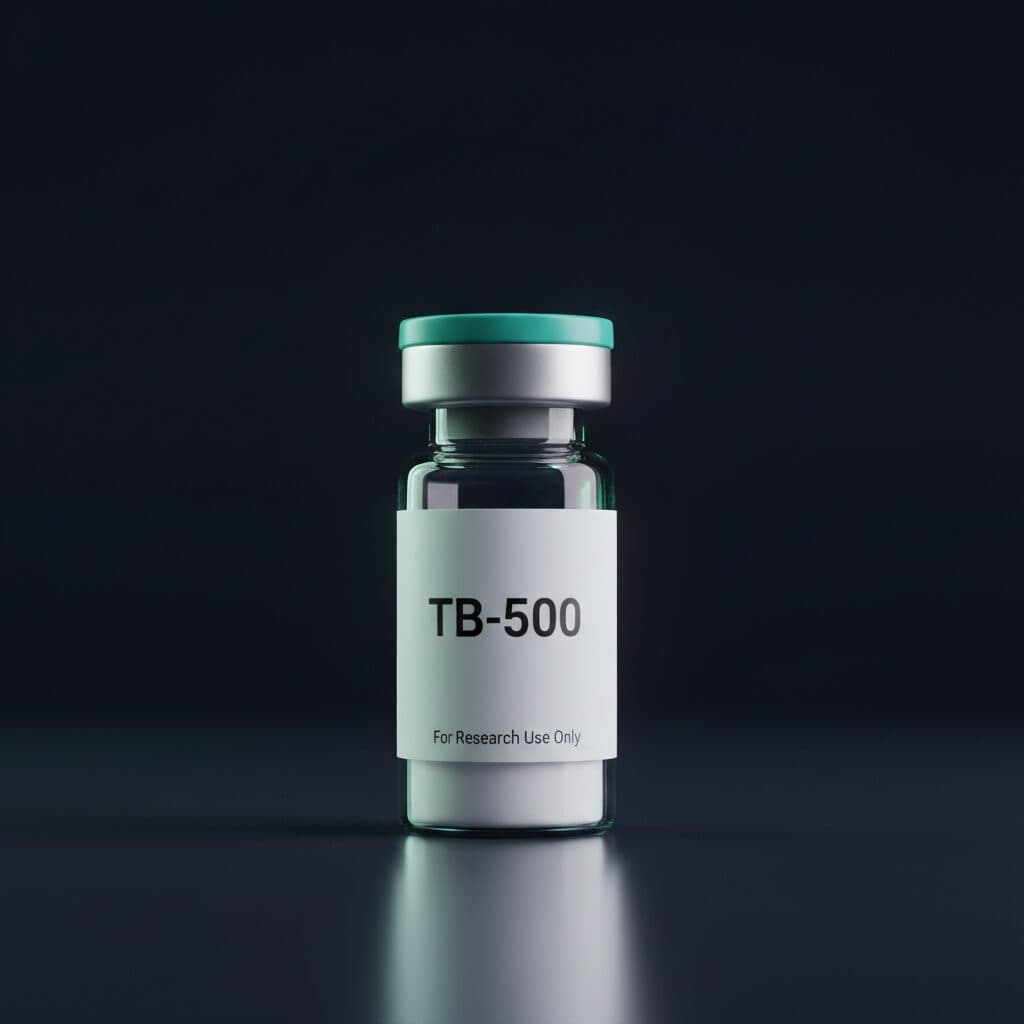
TB-500
≥98% PuritySupplier batch spec; selected lots Janoshik-tested
Janoshik Verified
99.17% HPLC
5mg · Report #155233
Related PeptidesDB entry (same owner)
peptidesdb.org
/p/tb-500
Delivers to EU in 3-7 business days
Free shipping over €200 · no customs paperwork (EU) · via EU carrier network
Size2mg
€31.49
1
Total: €31.49
Free shipping on orders over €200
TB-500 is a synthetic peptide corresponding to the 17-amino acid active region (Ac-SDKP sequence) of Thymosin Beta-4, a naturally occurring 43-amino acid protein. While the full-length Thymosin Beta-4 molecule has broad biological activity, TB-500 retains the key actin-binding domain that drives research interest in cell migration and tissue biology. Shipped to a ≥98% supplier batch specification; selected lots independently tested (99.3% avg across published reports). Key research areas: Cell migration and tissue remodeling Actin-binding and cytoskeletal dynamics Cardiac tissue biology and cellular signaling Important distinction: TB-500 is a fragment of Thymosin Beta-4, not a synonym for it. Full-length Thymosin Beta-4 (43 aa) has broader systemic activity, while TB-500 (17 aa) retains the active actin-sequestering region. For research purposes only. Not for human consumption.
Volume PricingApplied automatically at checkout
| Quantity | Price Each | Total | Savings |
|---|---|---|---|
| 1 unit | €31.49 | €31.49 | -- |
| 3+ | €29.92 | €89.75 | 5% off |
| 5+Most Popular | €28.34 | €141.70 | 10% off |
| 10+ | €26.77 | €267.66 | 15% off |
Important Notice
This product is intended for laboratory and research use only. Not for human or veterinary use. By purchasing, you confirm this product will be used exclusively for in-vitro research purposes.
Reconstitution Required
This peptide ships lyophilized (dry powder) and requires bacteriostatic water to reconstitute before use. BAC water is sold separately.
Recommended: BAC water · stable for 28 days at 2-8°C once mixed.
When This Product May Not Suit Your Research
- ⚠If your research model requires tissue-specific targeting — TB-500 acts systemically and cannot be directed to a single tissue.
- ⚠If your study requires WADA-compliant compounds — note that full-length Thymosin Beta-4 is on the WADA prohibited list. TB-500 is a fragment of Tβ4, not the full-length protein, but researchers should verify current WADA regulations for their specific context.
- ⚠If you need sub-microgram dosing precision — TB-500 is typically studied at milligram doses.
Purity HPLC
99.2% average HPLC purity, verified by independent third-party testing
Janoshik Verified
View report #155233 on janoshik.com →
Fast Shipping
24h dispatch, EU-wide shipping from €4.99
Third-Party Tested
Supplier batch specification on every product; independent Janoshik report on selected lots
Last reviewed: 2026-07-15
About TB-500
About TB-500
TB-500 is a synthetic peptide corresponding to the active region (amino acids 17–23, the Ac-SDKP sequence) of Thymosin Beta-4, a 43-amino acid naturally occurring protein found in virtually all human and animal cells. While the full-length Thymosin Beta-4 protein has broad biological functions, TB-500 specifically retains the key actin-binding domain responsible for the cell migration and tissue biology properties that have drawn significant research interest.
Important distinction: TB-500 is a 17-amino acid fragment of Thymosin Beta-4 — not a synonym for it. Full-length Thymosin Beta-4 (Tβ4, 43 amino acids) has broader systemic activity including immune regulation, while TB-500 isolates the active actin-sequestering region. Researchers should select the appropriate form based on their specific study requirements.
Mechanism of Action
TB-500's primary studied mechanism is its interaction with G-actin, preventing premature polymerization and enabling organized cell migration in experimental systems. In research models it has been reported to upregulate actin and to promote formation of new blood vessels from existing vasculature, and to reduce levels of pro-inflammatory cytokines and downregulate NF-kB signaling. These observations are reported here for research context only.
Published Research
- Tissue biology and cell migration: Thymosin Beta-4 promotes cell migration through upregulation of actin dynamics, with topical application studied in tissue remodeling in animal models. (DOI)
- Cardiac biology: Thymosin Beta-4 activated epicardial progenitor cells and promoted neovascularization, studied in the context of cardiac tissue remodeling in murine models. (DOI)
- Immunomodulatory properties: Thymosin Beta-4 suppressed NF-kB activation and reduced pro-inflammatory cytokine production in corneal research models. (DOI)
Within the Tissue-Repair Cluster — How TB-500 Differs
TB-500 is studied alongside two other research peptides in overlapping tissue-repair contexts: BPC-157 (a 15-amino-acid pentadecapeptide derived from a gastric-juice protein) and the combined BPC-157 + TB-500 blend. These three compounds share research audiences but operate through different molecular pathways:
| Feature | TB-500 | BPC-157 |
|---|---|---|
| Parent molecule | Thymosin β-4 (43 aa full-length) | BPRP (gastric-juice protein) |
| Amino acid length | 17 (heptadecapeptide, Ac-SDKP containing region) | 15 (pentadecapeptide) |
| Molecular weight | 4963.5 Da | 1419.53 Da |
| Primary mechanism studied | Actin sequestration (LKKTET motif), cell migration, NF-κB suppression | Nitric-oxide pathway, VEGFR2 angiogenesis, mucosal protection |
| Signature preclinical model | Cardiac epicardial progenitor activation (Smart et al., Nature 2011) | Rodent GI mucosa and Achilles transection models |
| Cytoskeletal target | G-actin monomer (direct binding) | Indirect; upstream of angiogenesis pathway |
TB-500's distinguishing research angle is its direct actin-binding mechanism and cardiac-biology evidence base: it is the only compound in this cluster with published evidence in cardiac epicardial progenitor activation, and the primary research peptide where cytoskeletal dynamics (rather than paracrine signalling) are the central mechanism. Researchers running combined actin-cytoskeletal + nitric-oxide protocols frequently use the BPC-157 + TB-500 blend; for independent dose titration or single-pathway studies, the individual products are preferred. For background reading, see the TB-500 vs BPC-157 comparison, the blend-vs-individual decision guide, and the research peptide stacks guide.
Product Specifications
- Purity: ≥98% (supplier batch spec; 99.3% avg across independently tested lots)
- Form: Lyophilized powder
- CAS: 77591-33-4
- Molecular Weight: 4,963.5 Da
- Sequence Region: Tβ4 active fragment (17 amino acids)
Shipped to a ≥98% supplier batch specification; selected lots are independently tested by Janoshik Analytical (HPLC + mass spectrometry; 99.3% average purity across published reports), searchable by batch code at certapeptides.com/verify. Verify a batch →
For research purposes only. Not for human consumption.
Specification Summary
Purity99.2% avg
FormLyophilized Powder
Storage-20\u00B0C
About TB-500
About TB-500
TB-500 is a synthetic peptide corresponding to the active region (amino acids 17–23, the Ac-SDKP sequence) of Thymosin Beta-4, a 43-amino acid naturally occurring protein found in virtually all human and animal cells. While the full-length Thymosin Beta-4 protein has broad biological functions, TB-500 specifically retains the key actin-binding domain responsible for the cell migration and tissue biology properties that have drawn significant research interest.
Important distinction: TB-500 is a 17-amino acid fragment of Thymosin Beta-4 — not a synonym for it. Full-length Thymosin Beta-4 (Tβ4, 43 amino acids) has broader systemic activity including immune regulation, while TB-500 isolates the active actin-sequestering region. Researchers should select the appropriate form based on their specific study requirements.
Mechanism of Action
TB-500's primary studied mechanism is its interaction with G-actin, preventing premature polymerization and enabling organized cell migration in experimental systems. In research models it has been reported to upregulate actin and to promote formation of new blood vessels from existing vasculature, and to reduce levels of pro-inflammatory cytokines and downregulate NF-kB signaling. These observations are reported here for research context only.
Published Research
- Tissue biology and cell migration: Thymosin Beta-4 promotes cell migration through upregulation of actin dynamics, with topical application studied in tissue remodeling in animal models. (DOI)
- Cardiac biology: Thymosin Beta-4 activated epicardial progenitor cells and promoted neovascularization, studied in the context of cardiac tissue remodeling in murine models. (DOI)
- Immunomodulatory properties: Thymosin Beta-4 suppressed NF-kB activation and reduced pro-inflammatory cytokine production in corneal research models. (DOI)
Within the Tissue-Repair Cluster — How TB-500 Differs
TB-500 is studied alongside two other research peptides in overlapping tissue-repair contexts: BPC-157 (a 15-amino-acid pentadecapeptide derived from a gastric-juice protein) and the combined BPC-157 + TB-500 blend. These three compounds share research audiences but operate through different molecular pathways:
| Feature | TB-500 | BPC-157 |
|---|---|---|
| Parent molecule | Thymosin β-4 (43 aa full-length) | BPRP (gastric-juice protein) |
| Amino acid length | 17 (heptadecapeptide, Ac-SDKP containing region) | 15 (pentadecapeptide) |
| Molecular weight | 4963.5 Da | 1419.53 Da |
| Primary mechanism studied | Actin sequestration (LKKTET motif), cell migration, NF-κB suppression | Nitric-oxide pathway, VEGFR2 angiogenesis, mucosal protection |
| Signature preclinical model | Cardiac epicardial progenitor activation (Smart et al., Nature 2011) | Rodent GI mucosa and Achilles transection models |
| Cytoskeletal target | G-actin monomer (direct binding) | Indirect; upstream of angiogenesis pathway |
TB-500's distinguishing research angle is its direct actin-binding mechanism and cardiac-biology evidence base: it is the only compound in this cluster with published evidence in cardiac epicardial progenitor activation, and the primary research peptide where cytoskeletal dynamics (rather than paracrine signalling) are the central mechanism. Researchers running combined actin-cytoskeletal + nitric-oxide protocols frequently use the BPC-157 + TB-500 blend; for independent dose titration or single-pathway studies, the individual products are preferred. For background reading, see the TB-500 vs BPC-157 comparison, the blend-vs-individual decision guide, and the research peptide stacks guide.
Product Specifications
- Purity: ≥98% (supplier batch spec; 99.3% avg across independently tested lots)
- Form: Lyophilized powder
- CAS: 77591-33-4
- Molecular Weight: 4,963.5 Da
- Sequence Region: Tβ4 active fragment (17 amino acids)
Shipped to a ≥98% supplier batch specification; selected lots are independently tested by Janoshik Analytical (HPLC + mass spectrometry; 99.3% average purity across published reports), searchable by batch code at certapeptides.com/verify. Verify a batch →
For research purposes only. Not for human consumption.
What research shows
Selected peer-reviewed studies from the published literature. Each describes laboratory or preclinical findings and is attributed to the cited study, not to this product. For research use only — not medical guidance.
[1]
Cardiac tissue repair
In a rodent myocardial infarction model, thymosin beta-4 (the peptide TB-500 corresponds to) delivered via a self-assembling peptide was reported to activate the epicardium and enhance repair of infarcted myocardium.
Thymosin β4 released from functionalized self-assembling peptide activates epicardium and enhances repair of infarcted myocardium. Theranostics (2021). PMID: 33754060[2]
Angiogenesis and ischemic tissue
In a mouse ischemic hindlimb model, thymosin beta-4 was studied for enhancing the activity of adipose-derived stem cells in a research setting.
Thymosin β4-Enhancing Therapeutic Efficacy of Human Adipose-Derived Stem Cells in Mouse Ischemic Hindlimb Model. International Journal of Molecular Sciences (2020). PMID: 32245208Citations are provided for research reference. CertaPeptides (CERTALAB S.R.L.) is a reseller, not a manufacturer, and makes no medical, therapeutic, or efficacy claims. Products are for laboratory research use only and are not for human or animal consumption.
Researcher Confidence
Why researchers choose CertaPeptides
Who actually tests this?
Selected lots are independently verified by Janoshik Analytical (Czech Republic) and published on the Janoshik public portal. Other lots ship with the supplier's batch specification. See /coa for the published wall.
View COAs →What if I get the wrong batch?
Every bottle label carries a lot number that maps to a specific Certificate of Analysis. If a batch fails spec, we don't ship it — full stop.
View COAs →Where does it ship from?
Romania (EU). We are CERTALAB SRL, CUI 54169956, VAT-registered. Sameday for Romania, GLS for most EU destinations, TCE Worldwide for the remaining cross-border EU and non-EU markets (UK, Switzerland, Norway, Iceland, Israel, Serbia). Delivery 1–15 business days depending on destination — exact window shown at checkout.
Shipping details →What if there's a problem?
You have a 14-day withdrawal right under OUG 34/2014 (Romanian/EU consumer law), with ANPC/ODR escalation available. Contact us at support@certapeptides.com.
Returns policy →Product Information
This product is intended for scientific research and development purposes only. It is a chemical substance that shall not be used as a drug, medicine, active substance, or ingredient in any product intended for human or animal consumption. Researchers must handle this compound in accordance with their institutional biosafety guidelines. Use only in properly equipped laboratory settings with appropriate personal protective equipment.
Frequently Asked
Research Library
Related Research Articles
Multi-Peptide Blends
Researchers also explore related blends
Researchers studying TB-500 also explore the fixed-ratio multi-peptide blends your supplier offers, each supplied as a single vial. Provided for laboratory research use only.
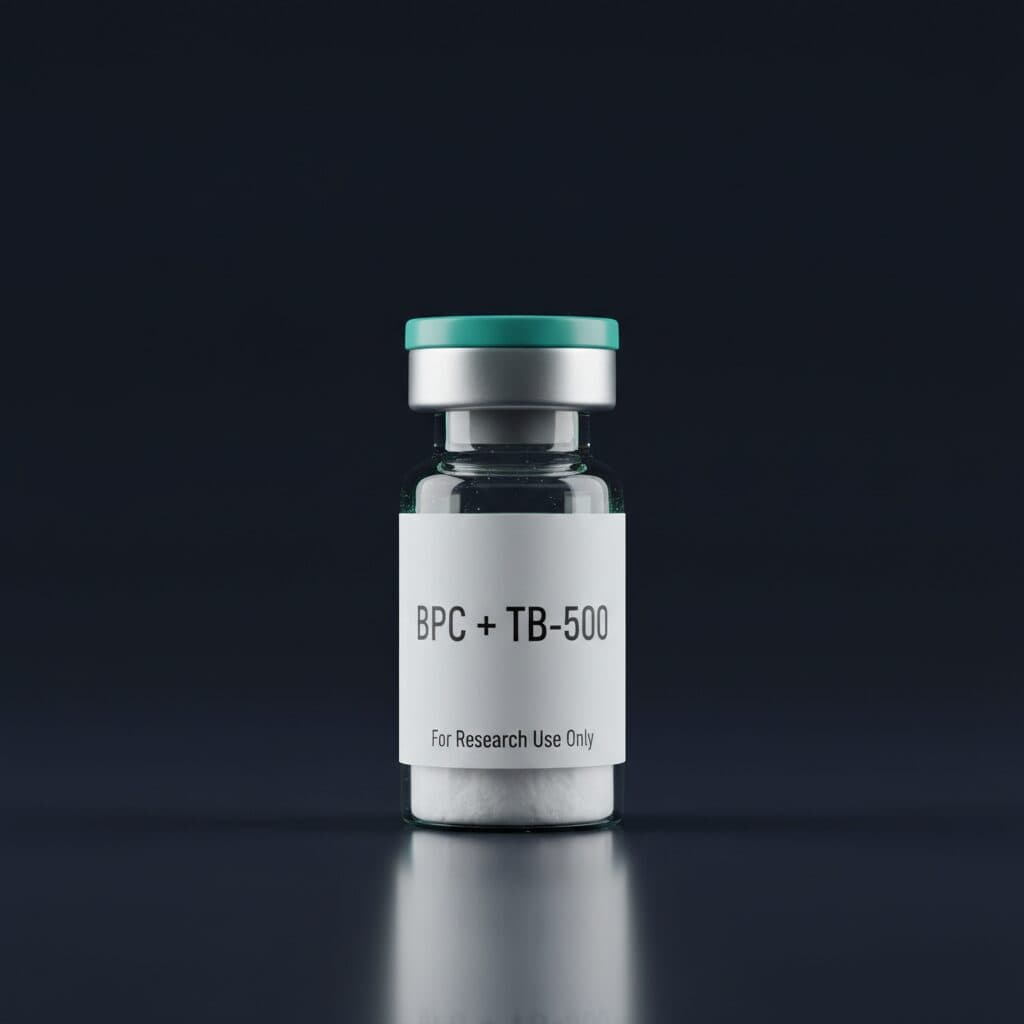
BPC-157 + TB-500 Blend
From €83.99
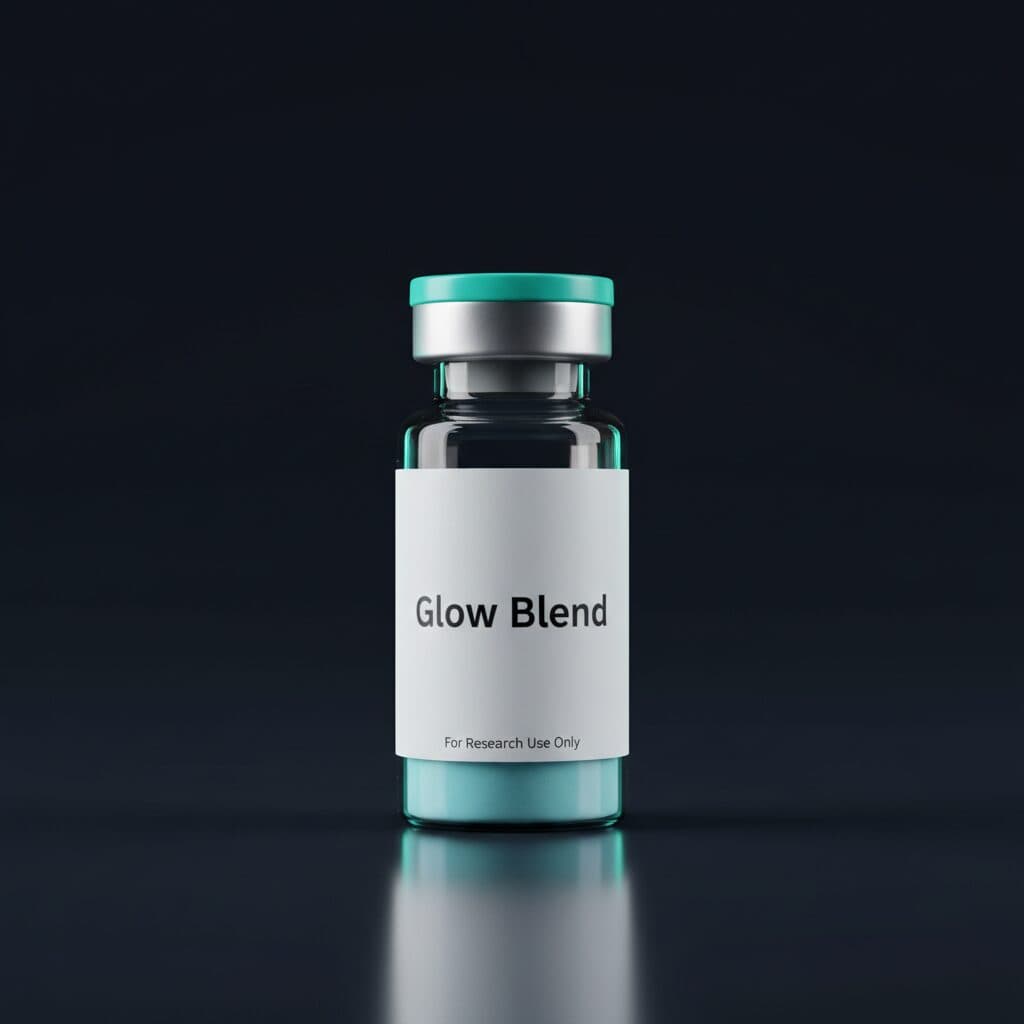
Glow Blend (BPC-157 + GHK-Cu + TB-500) 70mg
€101.99
Frequently researched together
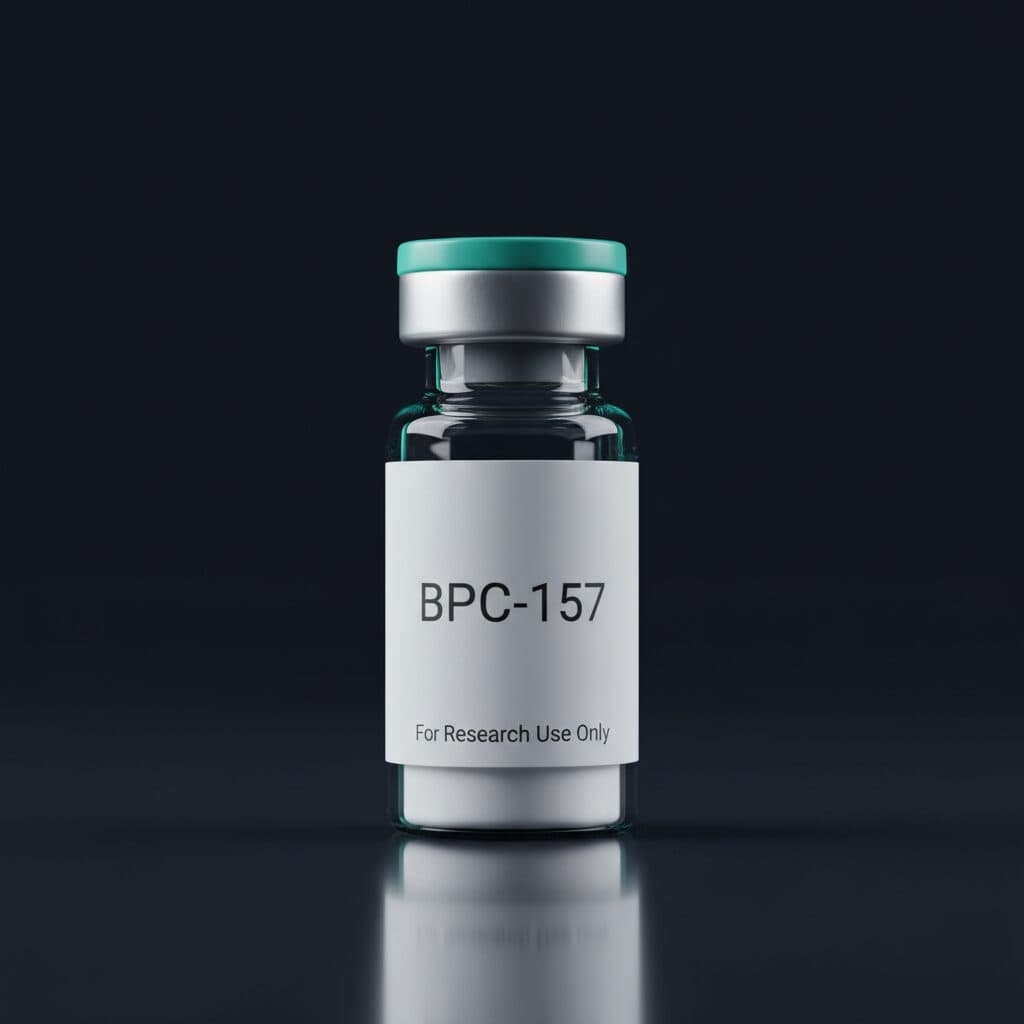
Combined Price
€164.46
TB-500€31.49