Research Blog
Guides, Protocols & Research
In-depth articles on peptide research, lab techniques, and industry developments. Written for researchers, by researchers.
GHK-Cu: The Copper Peptide That Modulates 4,000+ Genes
How GHK-Cu influences gene expression at nanomolar concentrations, why its levels decline with age, and what published research reveals about tissue remodeling, inflammation, and stem cell attraction.
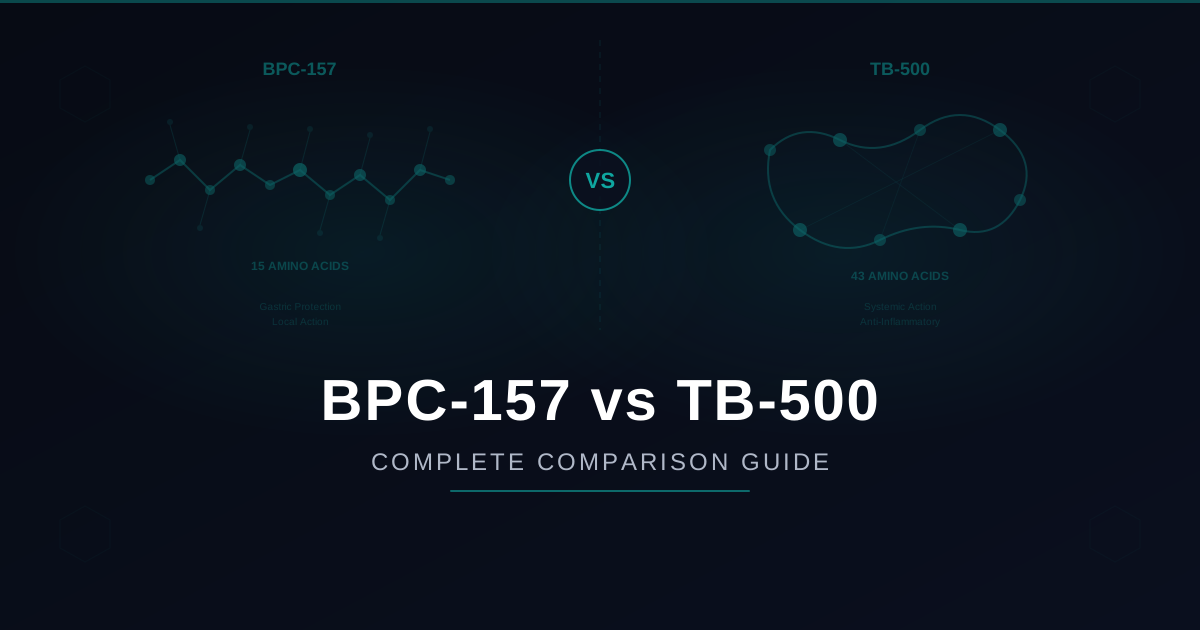
BPC-157 vs TB-500 vs BPC+TB-500 Blend: Complete Comparison
Detailed comparison of the three most popular tissue repair research peptides — individual mechanisms, when to use each one, and why the blend combines complementary pathways.
Peptide Stacking: Multi-Compound Research Protocols
The science behind combining multiple peptides in research — complementary mechanisms, protocol design considerations, and published data on BPC-157 + TB-500 + GHK-Cu combinations.
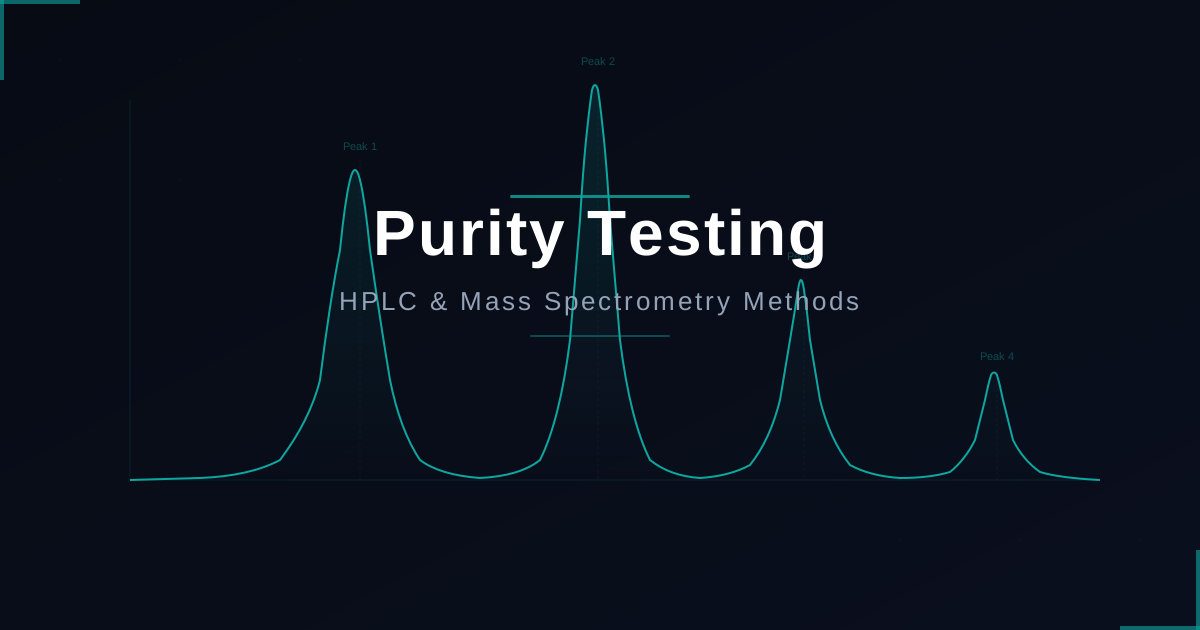
HPLC & Mass Spectrometry: How Peptide Purity Is Verified
The gold-standard analytical methods behind peptide quality verification — how HPLC chromatography and mass spectrometry work, what the results mean, and why they matter for reproducible research.

Peptide Bioavailability: How Administration Route Affects Research
Why the same peptide can produce dramatically different results depending on how it's administered — comparing subcutaneous, intraperitoneal, oral, and intranasal routes with published data.
Peptide Stability & Degradation: Protecting Research Compounds
The chemical and physical degradation pathways that threaten peptide integrity — oxidation, deamidation, aggregation, and adsorption — plus evidence-based strategies to prevent each one.
Need Help With Your Research?
Our reconstitution calculator and product guides can help.