Research-grade compound. Laboratory use only. Not intended for human or animal use, ingestion, or injection. No medical claims are made or implied.
≥98% PurityIn-House HPLC & MS Tested
Growth FactorsSKU: CP-FN1
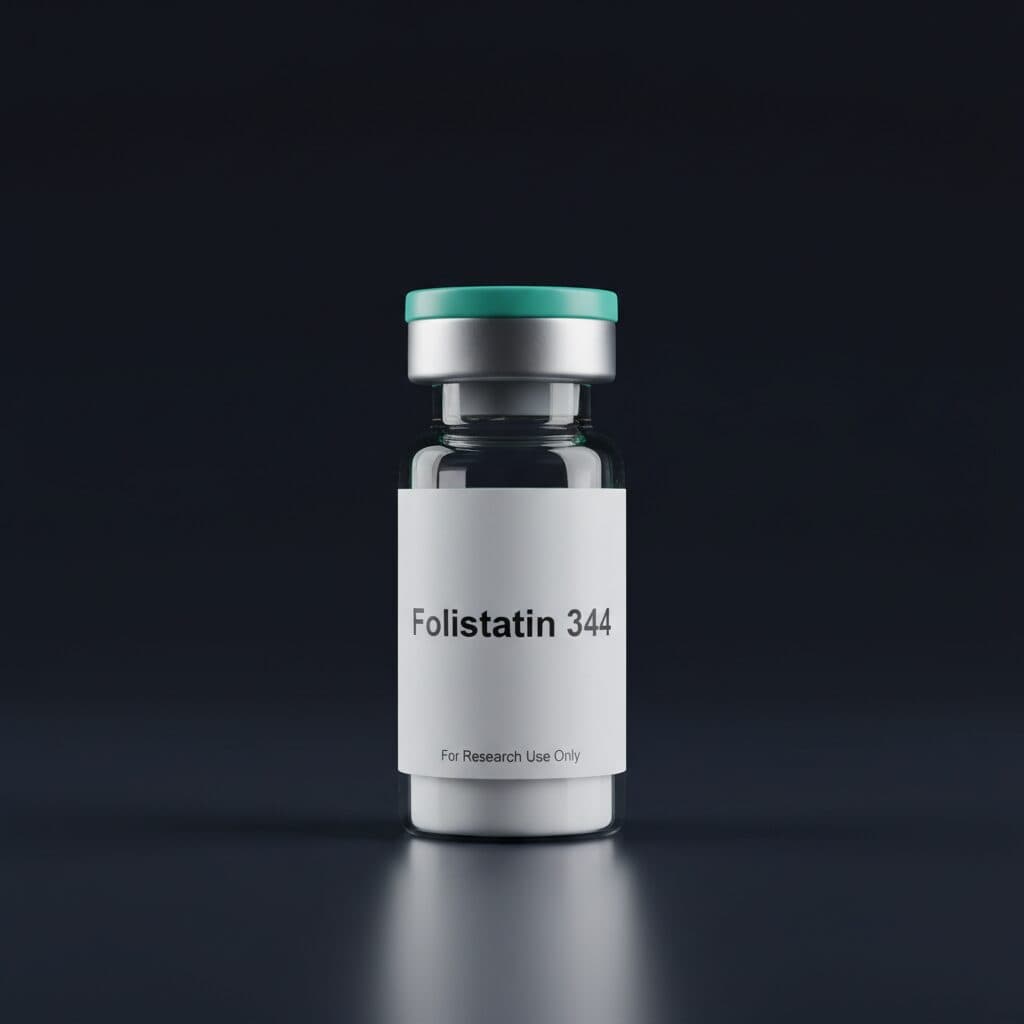
Follistatin 344 1mg
≥99% PurityHPLC & MS verified
Research Reference
peptidesdb.org
/p/follistatin-344
€118.99Out of Stock
Delivers to EU in 11-14 business days
Free shipping over €200 · no customs paperwork (EU) · via EU carrier network
Research-grade Follistatin 344. 99.3% avg purity, HPLC & MS verified. Lyophilized powder in sealed glass vial. For laboratory research use only. Not for human consumption.
📦
MADE TO ORDER — Expected delivery: ~3 weeks
Synthesized after your order is placed. We'll email you tracking details when it ships.
Currently Unavailable34 researchers waiting
This product is being restocked
We're working with our supplier to restock this item. Sign up below to be the first to know, or save it to your wishlist.
Important Notice
This product is intended for laboratory and research use only. Not for human or veterinary use. By purchasing, you confirm this product will be used exclusively for in-vitro research purposes.
Reconstitution Required
This peptide ships lyophilized (dry powder) and requires bacteriostatic water to reconstitute before use. BAC water is sold separately.
When This Product May Not Suit Your Research
- ⚠If your research requires GMP-grade material for clinical applications — research-grade peptides are not intended for clinical use.
- ⚠If your lab lacks proper cold storage (-20°C freezer) — this peptide's stability may be compromised at higher temperatures.
- ⚠If your study protocol requires FDA-approved reference standards — contact USP or a certified reference material provider.
Purity HPLC
99.3% average HPLC purity, verified by independent third-party testing
Third-Party Tested
Janoshik report published when available
Fast Shipping
24h dispatch, EU-wide shipping from €4.99
Third-Party Tested
Independent lab verification for every batch
Last reviewed: 2026-04-24
About Follistatin 344 1mg
Follistatin 344 is the predominant isoform of follistatin expressed in most non-gonadal tissues. Follistatin is an activin-binding protein that was originally identified as an FSH-suppressing factor but has much broader biology -- it binds and neutralizes several TGF-beta superfamily members including activin A, BMP-2, BMP-4, BMP-7, and, critically for muscle research, myostatin. By neutralizing myostatin (GDF-8), follistatin acts as a potent pro-hypertrophic factor in skeletal muscle. Each vial contains 1mg.
Myostatin is the primary negative regulator of myogenesis-pathway activity in cited studies in mammals. Genetic knockouts of myostatin produce dramatic muscle hypertrophy in mice, cattle, dogs, and humans with natural mutations. Follistatin's ability to neutralize myostatin has made it one of the most studied pro-muscular factors in research contexts. Importantly, follistatin works upstream of the receptor -- it sequesters myostatin before it can bind ActRIIB -- which is a different mechanism from ActRIIB antagonists that block the receptor directly.
Follistatin-344 vs Follistatin-288: the difference is in the C-terminal tail. FS288 (the heparan sulfate-binding form) stays localized to tissues; FS344 circulates more freely and has longer systemic activity. For muscle research via systemic injection, FS344 is typically preferred. For local tissue studies, FS288 may be more appropriate.
Specifications
| Parameter | Value |
|---|---|
| Compound | Follistatin 344 (FS344 isoform) |
| Amount per Vial | 1mg |
| Purity | ≥95% (SDS-PAGE and HPLC verified) |
| Format | Lyophilized powder |
| Reconstitution | Sterile PBS or 0.1% BSA in PBS |
| Storage | -20°C; 2-8°C after reconstitution |
Storage
Store at -20°C before reconstitution. Follistatin is a glycoprotein -- reconstitute with sterile PBS or BSA-containing buffer to prevent adsorption to tube surfaces. Refrigerate after reconstitution and use within 7-14 days.
How does follistatin promote myogenesis-pathway activity in cited studies by neutralizing myostatin?
Myostatin (GDF-8) is a TGF-beta family member that suppresses muscle satellite cell proliferation and muscle protein synthesis -- it is the primary brake on myogenesis-pathway activity in cited studies in mammals. Follistatin binds myostatin with high affinity and neutralizes it before it can activate its receptor (ActRIIB). This effectively removes the inhibitory signal, allowing satellite cell proliferation and muscle hypertrophy to proceed without the myostatin constraint. The dramatic muscle development seen in myostatin knockout animals represents the upper limit of this effect.
What is the difference between follistatin-344 and follistatin-288?
The two isoforms differ in their C-terminal tails. Follistatin-288 has a tail that binds heparan sulfate proteoglycans in the extracellular matrix, anchoring it to local tissue. Follistatin-344 has a longer tail that reduces heparan sulfate binding and allows it to circulate more freely. For systemic administration research targeting circulating myostatin, FS344 is typically preferred. For studies of local effects in specific tissues, FS288's tissue localization may be more appropriate. Most research literature and muscle-focused studies use FS344.
Besides myostatin, what else does follistatin bind?
Follistatin binds multiple TGF-beta superfamily members: activin A and B (the original discovery context, relevant to FSH regulation and reproductive biology), BMP-2, BMP-4, BMP-7, and BMP-11 (GDF-11). This broad binding profile means follistatin administration affects multiple signaling pathways beyond just myostatin. For research where myostatin inhibition specifically is the goal, this promiscuity should be accounted for in interpretation. Compounds that specifically block ActRIIB or target myostatin directly (like anti-myostatin antibodies) have narrower activity if target specificity is critical.
Follistatin 344 is supplied for laboratory research use only. Not approved for human use. Handle in compliance with institutional biosafety guidelines.
Specification Summary
Purity99.3% avg
FormLyophilized Powder
Storage-20\u00B0C
Researcher Confidence
Why researchers choose CertaPeptides
Who actually tests this?
Selected lots are independently verified by Janoshik Analytical (Czech Republic, ISO 17025) and published on the Janoshik public portal. Other lots ship with our manufacturing batch specification (CERTALAB Internal QC). See /coa for the published wall.
View COAs →What if I get the wrong batch?
Every bottle label carries a lot number that maps to a specific Certificate of Analysis. If a batch fails spec, we don't ship it — full stop.
View COAs →Where does it ship from?
Romania (EU). We are CERTALAB SRL, CUI RO54451735, VAT-registered. Sameday for Romania, FAN Courier for Central/Eastern EU + Italy + Baltics, TCE Worldwide for the rest of the EU and non-EU markets (UK, Switzerland, Norway, Iceland, Israel). Delivery 1–14 business days depending on destination — exact window shown at checkout.
Shipping details →What if there's a problem?
You have a 14-day withdrawal right under OUG 34/2014 (Romanian/EU consumer law), with ANPC/ODR escalation available. Contact us at support@certapeptides.com.
Returns policy →Product Information
This product is intended for scientific research and development purposes only. It is a chemical substance that shall not be used as a drug, medicine, active substance, or ingredient in any product intended for human or animal consumption. Researchers must handle this compound in accordance with their institutional biosafety guidelines. Use only in properly equipped laboratory settings with appropriate personal protective equipment.
Frequently Asked
Research Library
Related Research Articles
Based on category & popularity
Researchers Also Studied
 18mgSAME FIELD
Growth Factors
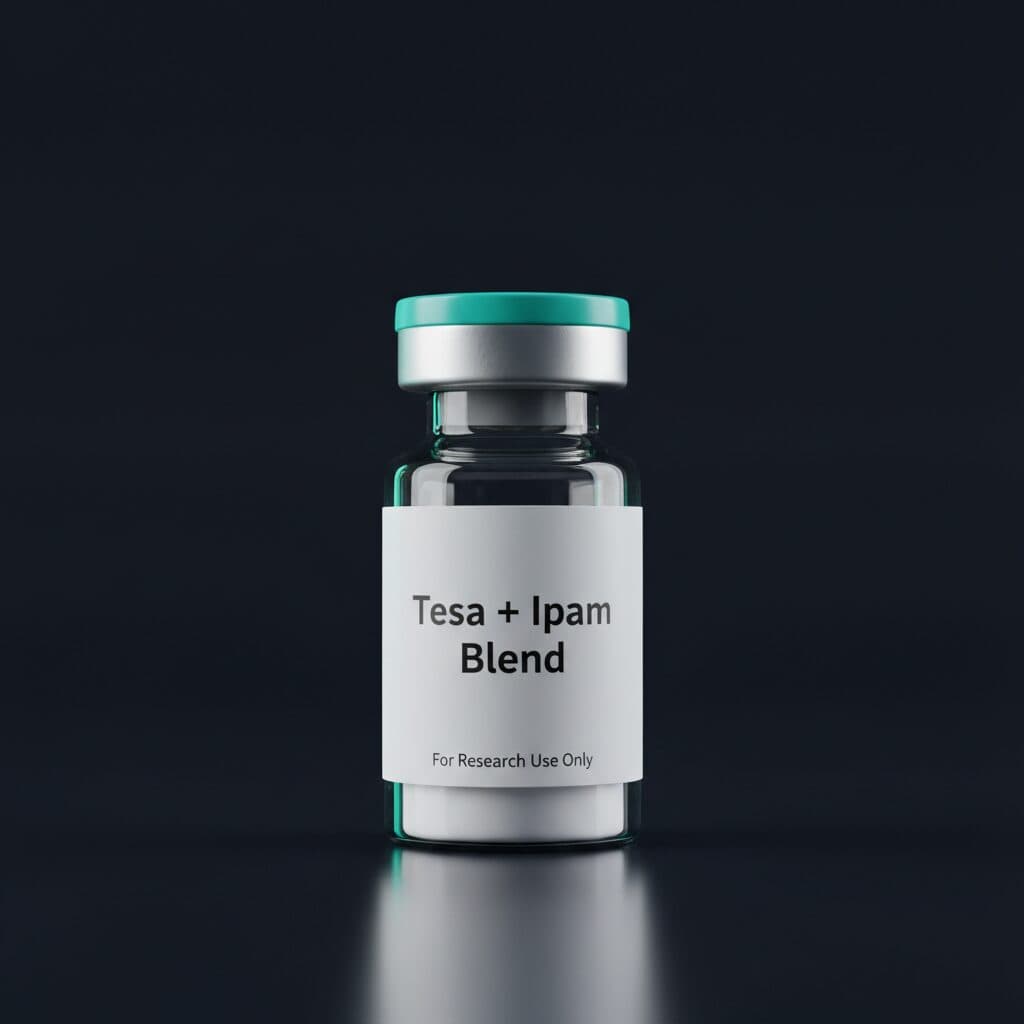
Tesamorelin + Ipamorelin Blend 18mg
Research-grade Tesamorelin + Ipamorelin Blend. 99.3% avg purity, HPLC & MS verified. Lyophilized powder in sealed glass vial. For laboratory research use only. Not for human consumption.
€73.49
 SAME FIELD
Growth Factors
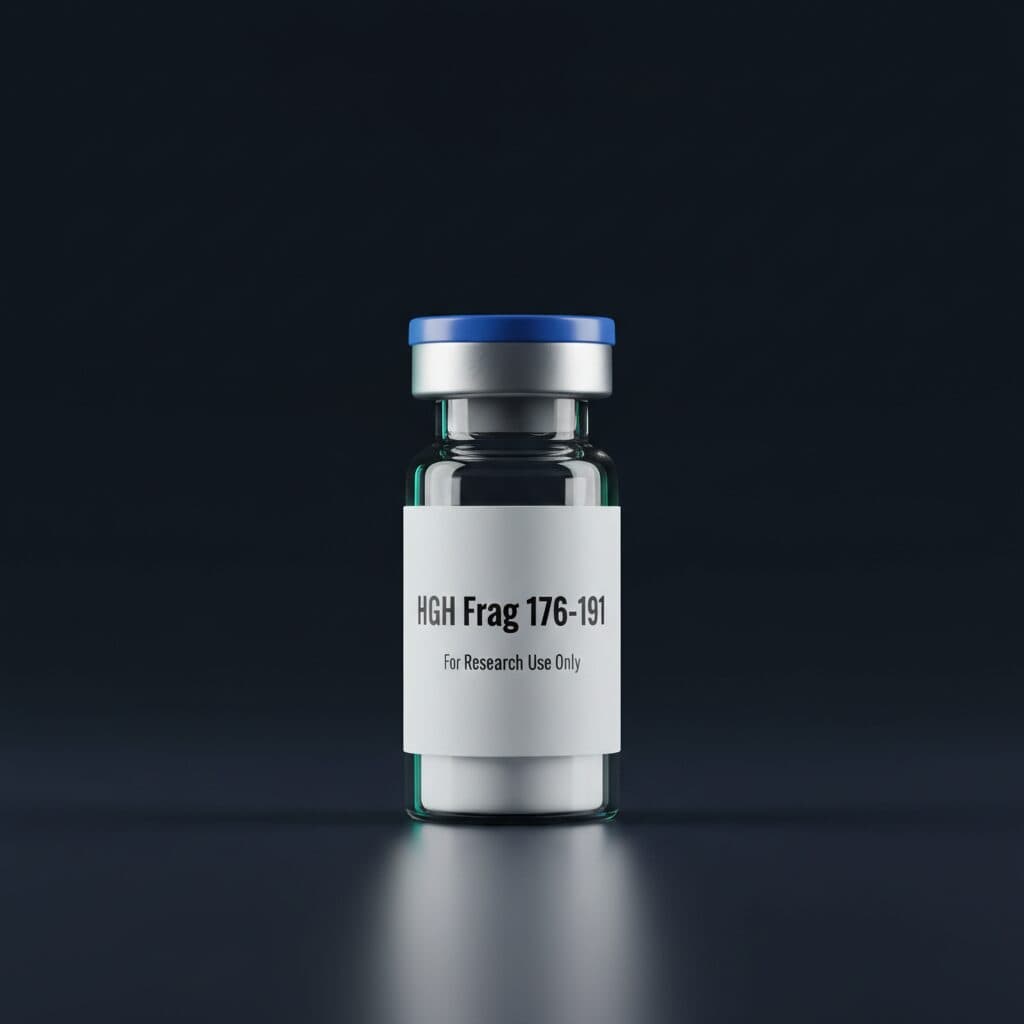
HGH Fragment 176-191
AOD-9604 is a modified peptide fragment corresponding to amino acids 176-191 of human growth hormone, with a tyrosine substitution at the C-terminus. It has been specifically studied for its lipid metabolism pathway signaling independent of growth-promoting effects. Modified hGH fragment (176-191) with C-terminal tyrosine Lipid metabolism pathway and adipose tissue signaling research Lipid metabolism signaling without somatotropic pathway activation For research purposes only.
From€22.99
 2mgSAME FIELD
Growth Factors
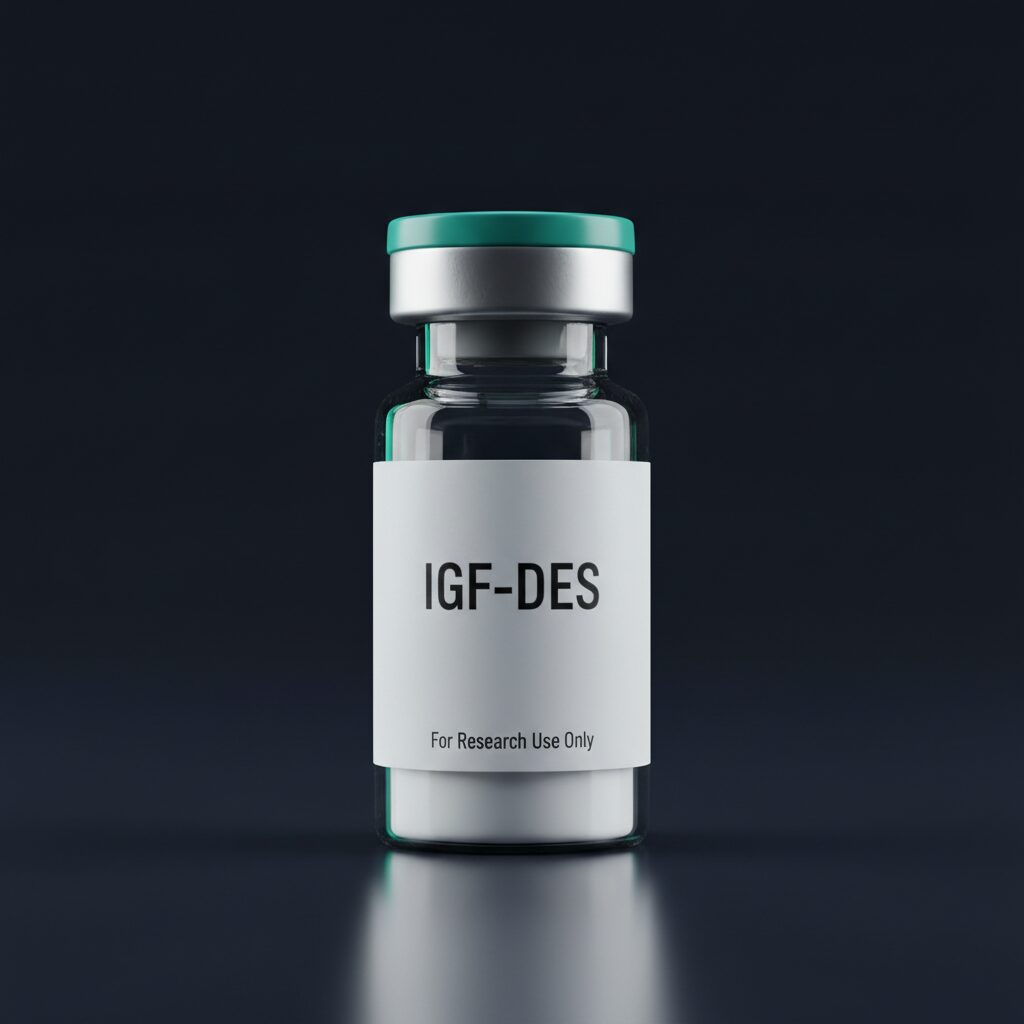
IGF-DES 2mg
Research-grade IGF-DES. 99.3% avg purity, HPLC & MS verified. Lyophilized powder in sealed glass vial. For laboratory research use only. Not for human consumption.
€25.49
 SAME FIELD
Growth Factors
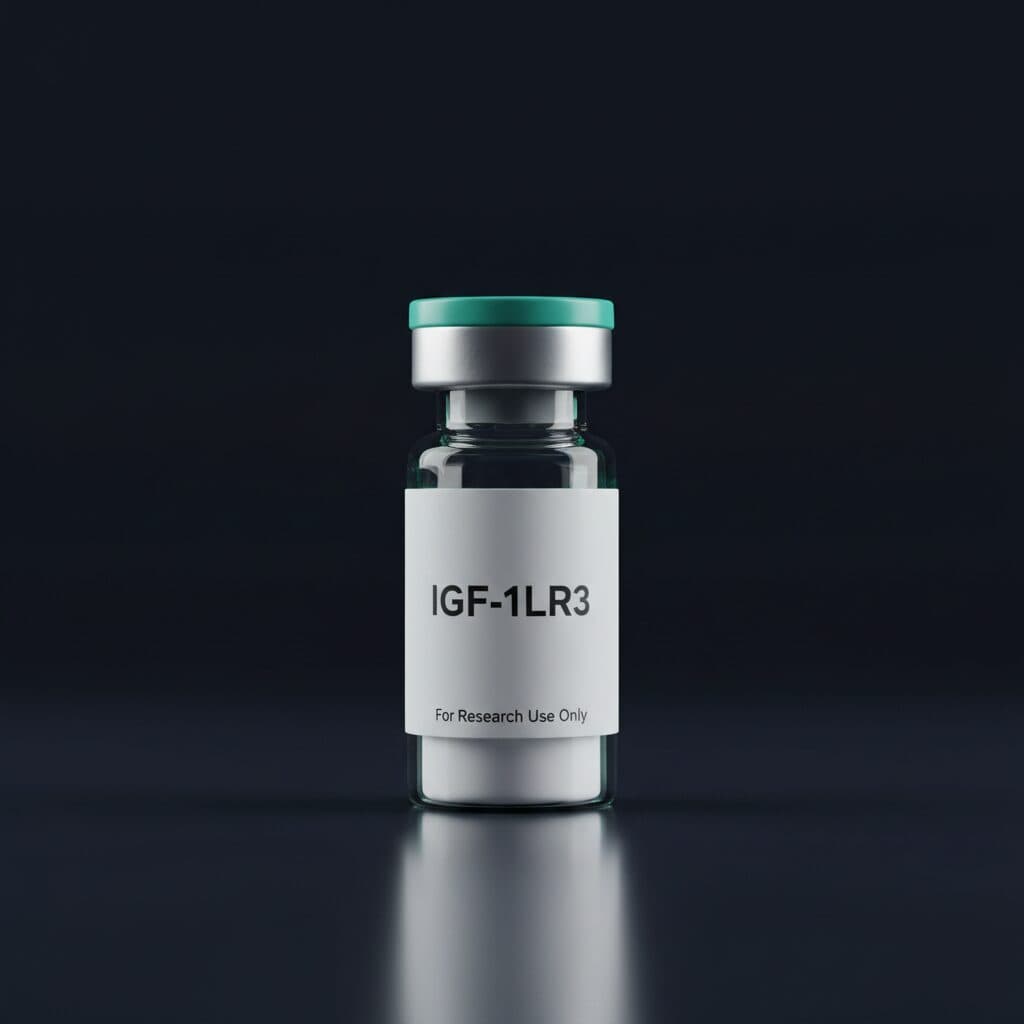
IGF-1LR3
IGF-1 LR3 (Long Arg3 IGF-1) is an 83-amino acid analog of insulin-like growth factor 1 with an arginine substitution at position 3 and a 13-amino acid N-terminal extension. These modifications significantly reduce IGF binding protein affinity, increasing bioavailability in research applications. Extended analog of IGF-1 with enhanced bioavailability Muscle hypertrophy and tissue growth studies IGF-1 signaling pathway and receptor activation research For research purposes only.
From€21.99