Tyrimų klasės junginys. Tik laboratoriniam naudojimui. Neskirtas žmonių ar gyvūnų naudojimui, nurijimui ar injekcijai. Jokie medicininiai teiginiai nėra pateikiami ar numanomi.
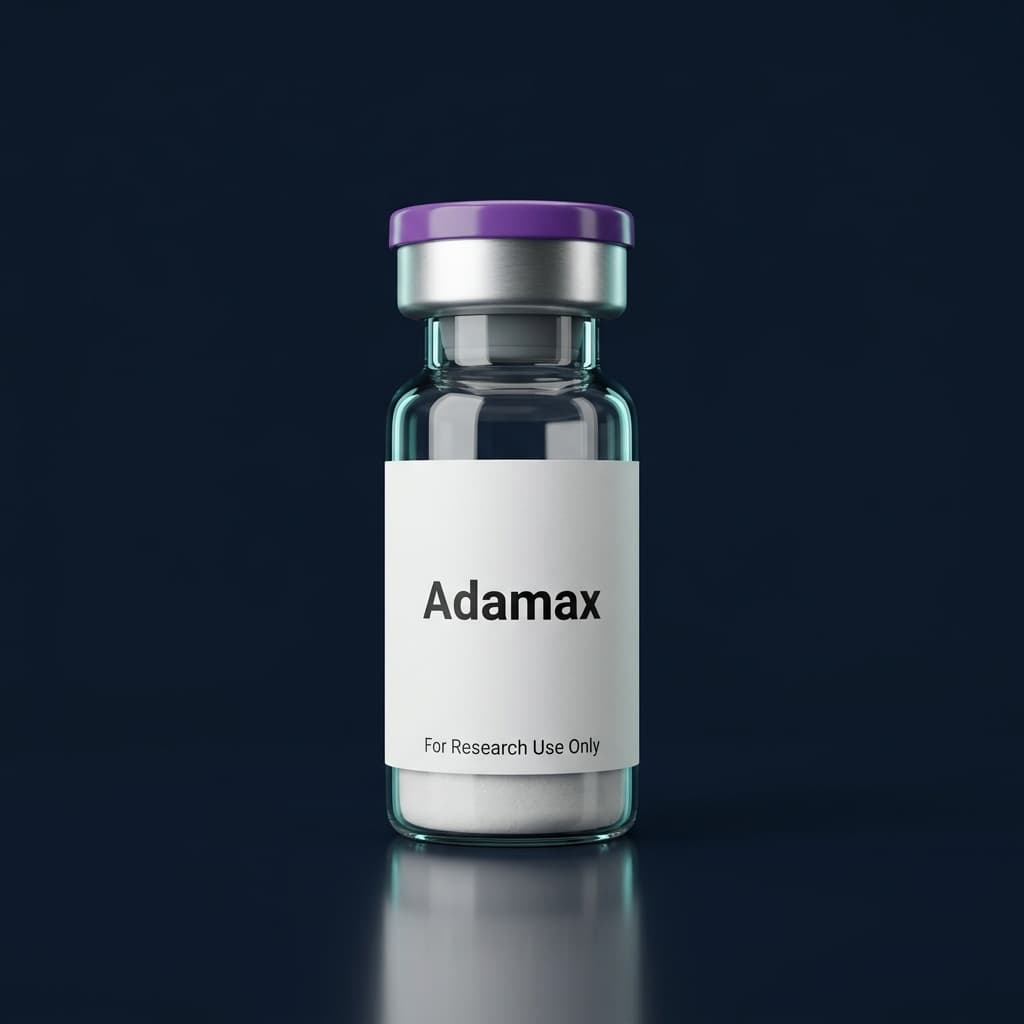
Adamax
Laboratorija jį nustatė kaip 984 Da Adamax formą be adamantano grupės. Mūsų 10 mg partija yra būtent ši forma.
Nemokamas siuntimas užsakymams virš €200
- Jei produktas neatitinka savo paskelbtame COA nurodytos specifikacijos, susisiekite su mumis nurodydami partijos numerį: patikrinsime jį pagal tos partijos ataskaitą ir nemokamai pakeisime bet kurį jos neatitinkantį produktą.
- Per 48 valandas nuo pristatymo susisiekite su mumis atsiųsdami išorinės dėžės, vidinės pakuotės ir bet kokių pažeistų flakonų su įskaitomomis etiketėmis nuotraukas. Patvirtintas gabenimo metu patirtas pažeidimas pakeičiamas Jums nemokamai.
Laboratorija jį nustatė kaip 984 Da Adamax formą be adamantano grupės. Mūsų 10 mg partija yra būtent ši forma.
3–7 d. į daugumą ES šalių · 10–14 d. į Šiaurės ir Baltijos šalis
Standartinis pristatymas ES nuo 4,99 € (RO) · pagrindinė ES (GLS) 17,99 € · Šiaurės ir Baltijos šalys 12,99 €–15,99 € · Išsiuntimas per 1–2 darbo dienas · Nemokamas pristatymas viršijus 200,00 € · jokių muitinės dokumentų (ES) · per ES vežėjų tinklą
Iki nemokamo pristatymo (viršijus 200,00 €) liko 200,00 €. Mažesnės sumos užsakymams standartinis pristatymas ES kainuoja 17,99 € (GLS, didžioji ES dalis).
Kaip veikia Paysera ir SEPA
- Sumokėkite: atlikite rankinį SEPA pavedimą naudodami IBAN, kurį atsiunčiame Jums el. paštu, arba patvirtinkite SEPA pavedimą savo banke per Paysera talpinamą puslapį, jei atsiskaitymo metu šis būdas siūlomas Jūsų adresui.
- Patvirtiname: Paysera mums praneša iš karto, arba rankinį pavedimą sutapatiname, kai jis gaunamas (paprastai per 1 darbo dieną).
- Išsiunčiame: patvirtinti užsakymai paprastai išsiunčiami per 1-2 darbo dienas.
Mokėjimai kortele šiuo metu nesiūlomi. Šiame atsiskaitymo puslapyje nėra kortelių mokėjimų apdorojimo paslaugos.
Research-grade Adamax, 984 Da form without the adamantane group. Class-level specification ≥97%; selected lots independently tested. Lyophilized powder in sealed glass vial. For research purposes only. Not for human consumption.
| Kiekis | Kaina už vienetą | Iš viso | Sutaupymas |
|---|---|---|---|
| 1 vnt. | 49,99 € | 49,99 € | -- |
| 3+ | 47,49 € | 142,47 € | 5% nuolaida |
| 5+Populiariausia | 44,99 € | 224,95 € | 10% nuolaida |
| 10+ | 42,49 € | 424,92 € | 15% nuolaida |
Svarbi pastaba
Šis produktas skirtas tik tyrimų tikslais. Ne vartoti žmonėms ar veterinarinei paskirčiai. Pirkdami patvirtinate, kad šis produktas bus naudojamas išimtinai in vitro tyrimų tikslais.
Dėl teisinių ir reguliavimo reikalavimų šio produkto negalima siųsti į: Italija.
Reikia atskiedimo
Šis peptidas siunčiamas liofilizuotas (sausi milteliai) ir prieš naudojimą jį reikia atskiesti bakteriostatiniu vandeniu. Bakteriostatinis (BAC) vanduo parduodamas atskirai.
Kada šis produktas gali netikti Jūsų tyrimui
- ⚠Jei Jūsų tyrimui reikalinga GMP klasės medžiaga klinikiniam taikymui — tyrimų klasės peptidai nėra skirti klinikiniam naudojimui.
- ⚠Jei Jūsų laboratorija neturi tinkamų šalto saugojimo sąlygų (-20°C šaldiklio) — šio peptido stabilumas aukštesnėje temperatūroje gali sumažėti.
- ⚠Jei Jūsų tyrimo protokolui reikalingi FDA patvirtinti pamatiniai standartai — kreipkitės į USP arba sertifikuotos pamatinės medžiagos tiekėją.
Atrinktoms partijoms pateikiamos paskelbtos laboratorinės ataskaitos. Kiekvienoje ataskaitoje patikrinkite rezultatą ir nurodytą metodą. Tik mokslinių tyrimų tikslais.
Peržiūrėti ataskaitą Nr. 241505 janoshik.com svetainėje →
Išsiuntimas per 1–2 darbo dienas, siuntimas nuo 4,99 € Rumunijoje, nuo 12,99 € likusioje Europoje
Užregistruota klasės lygmens specifikacija; nepriklausoma Janoshik ataskaita atrinktoms partijoms
Apie Adamax
Adamax is a synthetic research peptide in the Semax family. Semax is a heptapeptide built from the ACTH(4-7) fragment extended with Pro-Gly-Pro, and Adamax is offered in more than one form under the same name: one carries an adamantane group, one does not.
This product is the 984 Da form, without the adamantane group. Janoshik identified the 10mg lot CP-2609-ADM10 as this form in report #241505.
Research use is in laboratory studies of Semax-family peptides, including comparisons between modified and unmodified analogues and studies of peptide stability.
Specifications
| Parameter | Value |
|---|---|
| Compound | Adamax, 984 Da form (no adamantane group) |
| Amount per Vial | 10mg |
| Purity | ≥97% (class-level specification) |
| Format | Lyophilized powder |
| Storage | -20°C; 2-8°C after reconstitution |
Storage
Store at -20°C before reconstitution. Refrigerate at 2-8°C after reconstitution.
Adamax is supplied for laboratory research use only. Not approved for human use. Handle in compliance with institutional biosafety guidelines.
Specifikacijų santrauka
Apie Adamax
Adamax is a synthetic research peptide in the Semax family. Semax is a heptapeptide built from the ACTH(4-7) fragment extended with Pro-Gly-Pro, and Adamax is offered in more than one form under the same name: one carries an adamantane group, one does not.
This product is the 984 Da form, without the adamantane group. Janoshik identified the 10mg lot CP-2609-ADM10 as this form in report #241505.
Research use is in laboratory studies of Semax-family peptides, including comparisons between modified and unmodified analogues and studies of peptide stability.
Specifications
| Parameter | Value |
|---|---|
| Compound | Adamax, 984 Da form (no adamantane group) |
| Amount per Vial | 10mg |
| Purity | ≥97% (class-level specification) |
| Format | Lyophilized powder |
| Storage | -20°C; 2-8°C after reconstitution |
Storage
Store at -20°C before reconstitution. Refrigerate at 2-8°C after reconstitution.
Adamax is supplied for laboratory research use only. Not approved for human use. Handle in compliance with institutional biosafety guidelines.
Tyrėjų pasitikėjimas
Kodėl tyrėjai renkasi CertaPeptides
Kas iš tikrųjų tai tiria?
Atrinktas serijas nepriklausomai patikrina Janoshik Analytical (Čekija), o rezultatai skelbiami viešame Janoshik portale. Kitos serijos siunčiamos su tiekėjo partijos specifikacija. Paskelbtų rezultatų sieną žr. /coa.
Peržiūrėti COA →Kas, jei gausiu ne tą partiją?
Kiekvieno flakono etiketėje yra kodas. Suraskite jį mūsų patikros puslapyje: pamatysite, ką CertaPeptides skelbia apie tą kodą, o iš prekybos pašalintos partijos atveju ir tai, kad partija pašalinta iš prekybos, bei priežastį. Jei jūsų partija pašalinta iš prekybos arba jei pagal jūsų etiketėje esantį kodą nieko nerandama, atsiųskite mums tą kodą el. paštu.
Peržiūrėti COA →Iš kur siunčiama?
Iš Rumunijos (ES). Esame CERTALAB SRL, CUI 54169956, registruoti PVM mokėtoju. Sameday Rumunijoje, GLS daugumai ES krypčių, TCE Worldwide likusioms tarpvalstybinėms ES ir ne ES rinkoms (JK, Šveicarijai). Pristatymas 1–15 darbo dienų priklausomai nuo krypties – tikslus terminas rodomas atsiskaitymo metu.
Siuntimo informacija →Kas, jei kils problema?
Turite 14 dienų teisę atsisakyti sutarties pagal OUG 34/2014 (Rumunijos/ES vartotojų teisės aktus), su galimybe kreiptis į ANPC ir pasinaudoti alternatyviu ginčų sprendimu (SAL). Susisiekite su mumis adresu support@certapeptides.com.
Grąžinimo politika →Produkto informacija
Šis produktas skirtas tik moksliniams tyrimams ir plėtrai. Tai cheminė medžiaga, kurios negalima naudoti kaip vaisto, vaistinio preparato, veikliosios medžiagos ar sudedamosios dalies jokiame produkte, skirtame žmonėms ar gyvūnams vartoti. Tyrėjai privalo tvarkyti šį junginį laikydamiesi savo institucijos biosaugos gairių. Naudokite tik tinkamai įrengtose laboratorijose su atitinkamomis asmeninėmis apsaugos priemonėmis.